Baghdad Moves Quickly to Contain Fallout After Investigators Trace Drone Launches to Southern Iraq. Iraq has dismissed the military commander responsible for operations in Maysan province after an investigation determined that drones used in attacks against Saudi Arabia were launched from Iraqi territory.
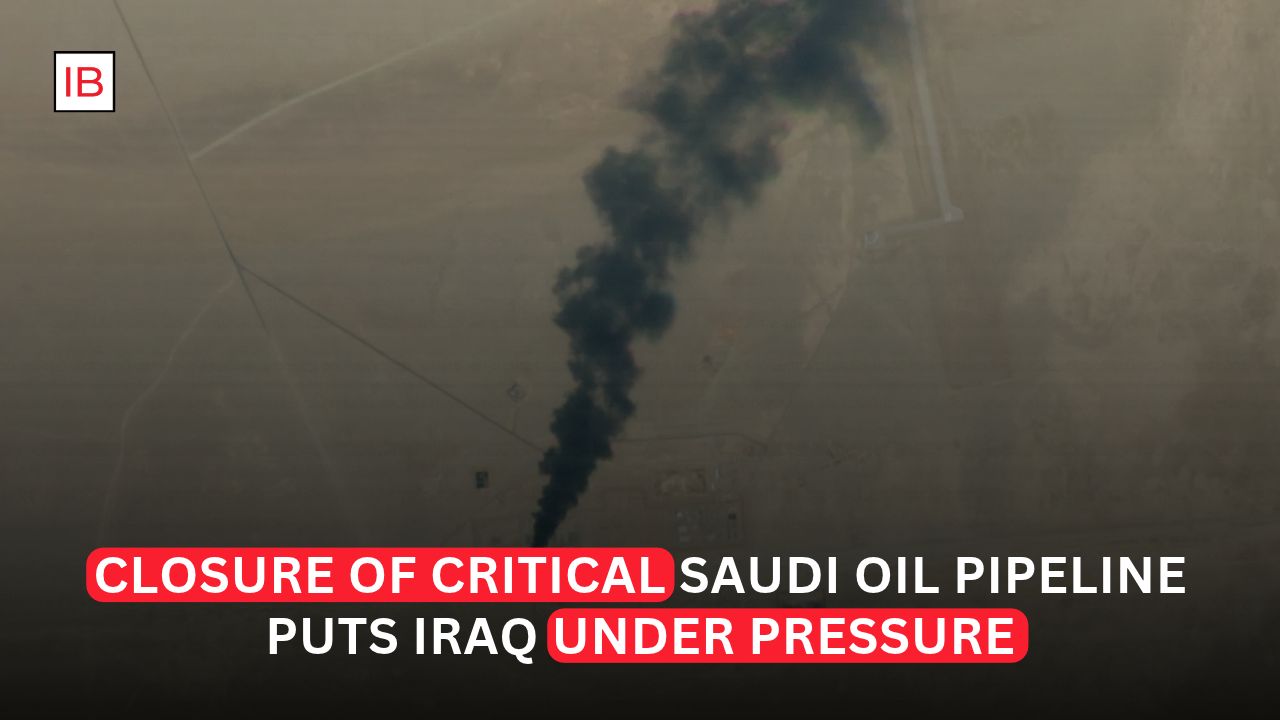
The move comes after Saudi Arabia temporarily shut down its strategic East-West oil pipeline following drone strikes that caused injuries and damage in the Riyadh and Medina regions.
Iraq Launches Investigation
Iraqi Prime Minister Ali Al-Zaidi ordered the removal of the Maysan operations commander after authorities established that the attacks originated from the southern province.
Baghdad has also launched an investigation into the security failure and the circumstances that allowed the drones to be operated from Iraqi territory. The Iraqi government condemned the attacks and said it would take steps to prevent its territory from being used against neighboring countries.
The commander’s dismissal is an early indication that Baghdad is under pressure to demonstrate greater control over armed groups and military activity within the country.
Saudi Arabia Shuts Key Oil Pipeline
Saudi Arabia temporarily halted operations on its East-West pipeline, a 1,200-kilometer route connecting oil-producing areas near the Persian Gulf with the Red Sea port of Yanbu.
The pipeline has become particularly important during the regional conflict because it provides Saudi Arabia with an alternative route for exporting crude without relying entirely on the Strait of Hormuz.
Saudi officials said several drones targeted sections of the pipeline in the Riyadh and Medina regions, causing injuries and infrastructure damage.
Riyadh said the pipeline was shut as a precaution while authorities assessed the damage.
Riyadh Holds Off on Retaliation
Saudi Arabia has strongly condemned the attack but has so far decided against immediate military retaliation.
The Saudi government said it accepted a request from Iraq’s prime minister to give Baghdad an opportunity to investigate the incident and prevent further attacks originating from Iraqi territory.
At the same time, Riyadh warned that it reserves the right to take whatever measures are necessary to protect its territory, infrastructure and population.
The decision could give Iraq some time to identify those responsible and prevent the situation from escalating into a direct confrontation between Baghdad and Riyadh.
Iran-Backed Militias Under Scrutiny
The attacks have renewed attention on Iran-aligned armed groups operating inside Iraq.
No group has publicly claimed responsibility for the drone strikes, and Baghdad has not formally blamed Iran for the attack. However, Iranian-backed militias have previously been accused of launching attacks against Gulf targets from Iraqi territory.
The Iraqi government now faces pressure to prevent armed groups from using the country as a launchpad for attacks against Saudi Arabia and other regional states.
The issue is particularly sensitive because Iraq has been attempting to strengthen relations with Gulf countries while maintaining important political and economic ties with Iran.
Oil Markets Face Fresh Supply Risks
The pipeline shutdown comes at a particularly difficult time for global energy markets.
Saudi Arabia has increased its reliance on the East-West pipeline during the regional conflict because the Strait of Hormuz has been severely disrupted. The route can carry several million barrels of oil per day, making it an important alternative for Saudi exports.
Any prolonged shutdown could therefore add further pressure to global crude supplies and contribute to higher oil prices.
The latest attack has already increased concern among traders about the vulnerability of alternative energy routes across the Middle East.
Wider Regional Tensions Increase
The Saudi pipeline attack comes as security risks are also growing around the Red Sea and Bab el-Mandeb Strait.
Iran-aligned Houthi forces in Yemen have increased pressure around another critical shipping corridor, raising concerns that multiple routes used to transport Middle Eastern energy to global markets could face simultaneous disruption.
That combination has increased fears of a broader regional energy crisis, particularly if attacks continue against oil infrastructure and shipping routes.
Iraq Faces Growing Pressure
For Baghdad, the incident presents both a security and diplomatic challenge.
The government must demonstrate that it can control armed activity within its territory while preventing the attack from damaging its relationship with Saudi Arabia and other Gulf states.
The dismissal of the Maysan commander is likely to be followed by additional investigations and security measures as Iraqi authorities search for those responsible.
What Happens Next
The immediate focus will be on the investigation in Maysan and the restoration of Saudi Arabia’s East-West pipeline.
Saudi Arabia has so far chosen restraint, but officials have made clear that further attacks could trigger a stronger response.
For Iraq, preventing another attack will be critical. If Baghdad succeeds in identifying those responsible and stopping further launches, it could help contain the crisis.
But if attacks continue from Iraqi territory, pressure on the government could intensify rapidly, raising the risk of a wider confrontation involving Iraq, Saudi Arabia and Iran-linked armed groups.
The incident has once again highlighted the vulnerability of the region’s energy infrastructure and the growing importance of alternative oil routes as instability continues to disrupt traditional shipping corridors.