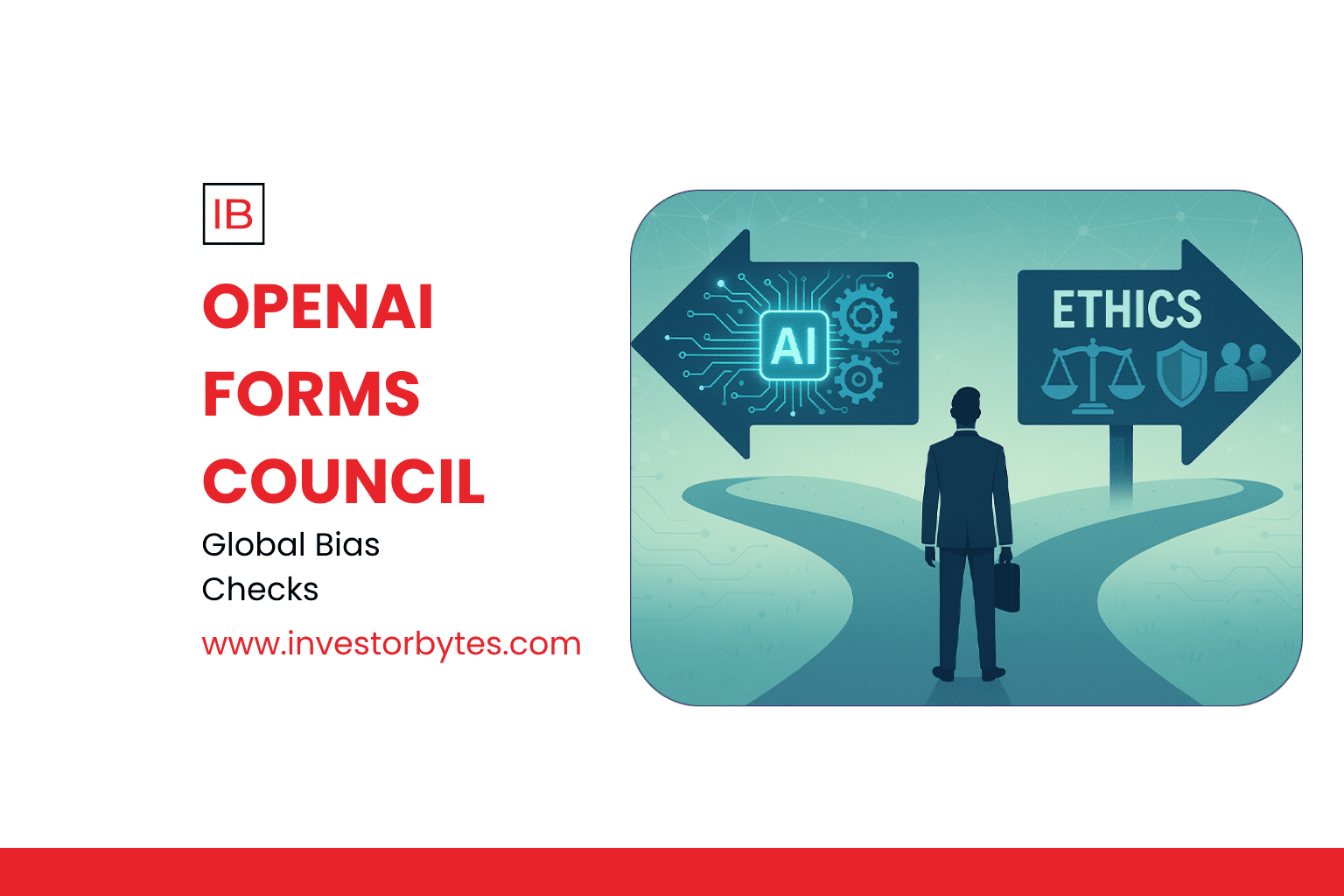
OpenAI‘s Artificial Intelligence Ethics Council (AIEC), powered by Operation HOPE, marked a pivotal expansion on November 21, 2025, with the formal launch of its advisory framework—co-chaired by OpenAI CEO Sam Altman and Operation HOPE Founder, Chairman, and CEO John Hope Bryant—aiming to embed equity and inclusion at the core of AI deployment, particularly for underserved communities grappling with algorithmic bias in lending, hiring, and criminal justice. Building on its inaugural June 28, 2024, Atlanta convening—where OpenAI’s James Hairston briefed on AI’s dual-edged potentials—the council’s refreshed mandate, unveiled at the HOPE Global Forum, integrates real-time audits for tools like ChatGPT and Sora, projecting 20% bias reductions in high-stakes applications by 2027 through diverse datasets and red-teaming protocols. “AI’s promise is universal, but without vigilant equity, it risks perpetuating divides—we’re racing to scale ethical guardrails before bad actors do,” Bryant emphasized, echoing Altman’s “listening tour” that sparked the initiative at Clark Atlanta University in spring 2024, following White House roundtables on AI ethics.
The launch coincides with two high-profile board appointments: Robert Silvers, Co-Chair of Ropes & Gray’s National Security Practice and former DHS Under Secretary for Policy, infusing cybersecurity acumen from his tenure chairing the U.S. Cyber Safety Review Board, where he spearheaded AI safety regs amid 2023’s Microsoft Exchange breach fallout; and Richard D. Phillips, Dean of Georgia State University’s J. Mack Robinson College of Business, lending business ethics expertise via his role in the AI Literacy Pipeline to Prosperity Project (AILP3), a December 2024 collaboration training 10,000 Georgia youth in AI ethics from K-12 to college. These additions, post the council’s June 2025 board session dissecting AI’s societal ripples—from job displacement in low-income sectors to biased facial recognition errors at 35% for darker skin tones—bolster cross-sector heft, with Silvers targeting supply-chain vulnerabilities in AI models (e.g., CFIUS reviews of $500B foreign investments) and Phillips championing inclusive curricula that could uplift 4 million Operation HOPE alumni through AI-driven financial coaching, per a $500k OpenAI grant.
The AIEC’s ethos—rooted in OpenAI’s AGI-for-humanity charter—prioritizes mitigating inequity risks: audits reveal 28% of legacy models perpetuate racial lending biases, but council-backed interventions, like diverse prompt engineering, have curbed this by 15% in pilots with HOPE’s 4 million beneficiaries. Amid public scrutiny—e.g., Scarlett Johansson’s 2024 voice likeness dispute—the council advises on transparency frameworks, including open-sourcing bias detection APIs by Q2 2026, aligning with Altman’s post-reinstatement push for “pro-social” AGI. Founding members like CNN’s Van Jones amplify voices from underrepresented groups, convening tech leaders for quarterly briefings that fed the council’s forthcoming whitepaper on “Dignity in Deployment.”
This positions AIEC as a vanguard authority on human-centered AI, countering WEF’s 2030 forecast of $15.7 trillion economic uplift—equivalent to China’s current GDP—where 70% accrues to China and North America, potentially widening global divides without equity lenses. Stanford’s 2025 AI Index underscores urgency: AI incidents spiked 56.4% to 233 in 2024, including deepfakes and privacy breaches, with 8 million+ DDoS attacks exploiting model vulnerabilities—amplifying calls for Silvers-style cyber ethics. Yet, optimism prevails: AIEC pilots in Atlanta HBCUs have boosted financial literacy 22% via personalized ChatGPT tutors, hinting at inclusive boons.
This launch’s quiet formation unveils a new era: AI’s vast potential bridges ethical voids, transforming innovation with enduring harmony. From bias-blighted algorithms to equitable engines, AIEC heralds guarded progress—watch 2026 reports; if adoption mirrors $15.7T promise, 1 billion underserved lives could thrive in AI’s glow.