Import-Dependent Nations Accelerate Efforts to Strengthen Energy Resilience
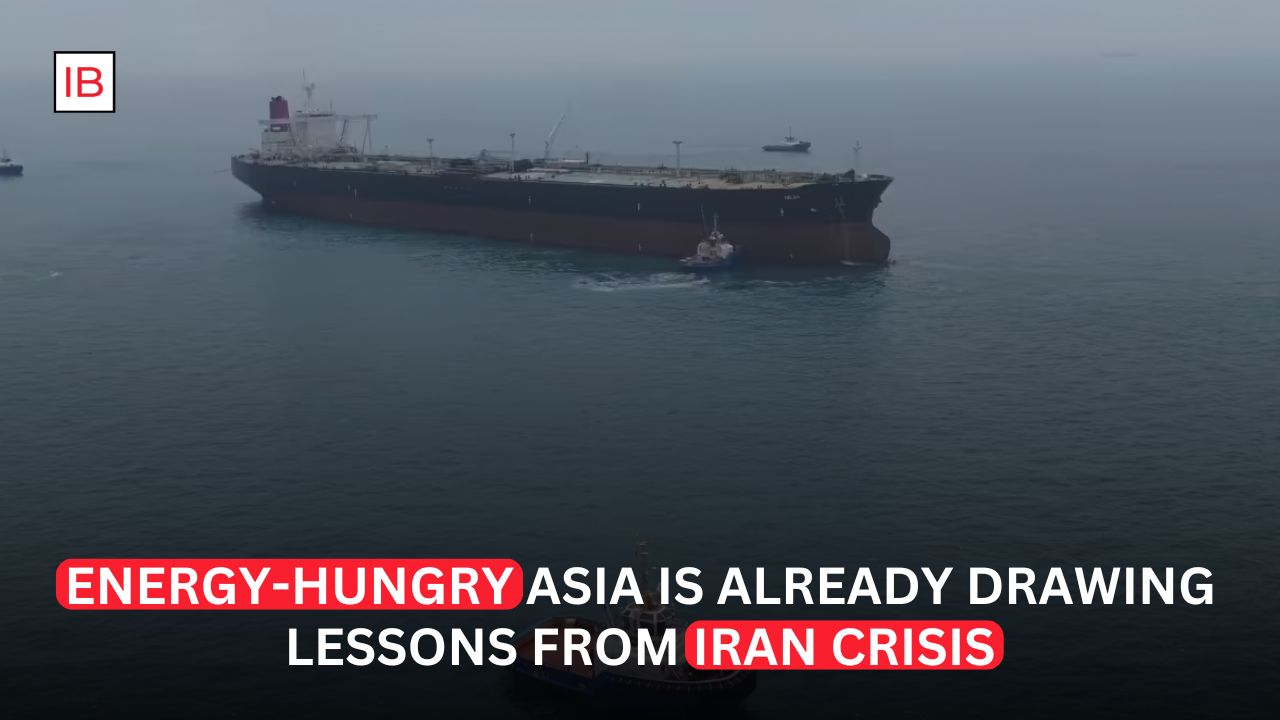
The recent crisis involving Iran has prompted energy-importing countries across Asia to reassess their energy security strategies, highlighting the region’s continued vulnerability to disruptions in global oil and natural gas supplies.
Governments are increasingly exploring ways to diversify energy imports, expand strategic petroleum reserves, invest in renewable energy, and secure long-term fuel contracts as geopolitical tensions continue to threaten one of the world’s most important energy-producing regions. The developments have reinforced the importance of building more resilient energy systems amid an uncertain global landscape.
Middle East Remains Critical to Asia’s Energy Supply
Asia relies heavily on energy imports from the Middle East.
Countries including China, Japan, South Korea, and India import a substantial share of their crude oil and liquefied natural gas (LNG) from Gulf producers. Any disruption to shipping routes or production in the region can quickly affect fuel prices, energy costs, and economic growth across Asia.
The recent Iran-related tensions served as another reminder of how closely the region’s economies remain tied to Middle Eastern energy supplies.
Governments Seek Greater Diversification
In response, many Asian governments are accelerating efforts to diversify their sources of energy.
This includes expanding imports from countries such as the United States, Australia, Canada, and Brazil, while negotiating additional long-term LNG agreements with a broader range of suppliers.
Reducing dependence on any single region is increasingly viewed as a key pillar of long-term energy security.
Strategic Oil Reserves Gain Importance
The crisis has also renewed attention on strategic petroleum reserves.
Several Asian countries are reviewing the size and management of emergency oil stockpiles to ensure they can withstand potential supply disruptions or price shocks.
Larger reserves provide governments with greater flexibility during geopolitical crises and help stabilize domestic fuel markets when global supplies become constrained.
Renewable Energy Becomes Part of the Security Strategy
Beyond fossil fuels, governments are expanding investments in renewable energy.
Solar, wind, hydroelectric power, battery storage, and nuclear energy are increasingly being viewed not only as climate initiatives but also as tools for improving national energy independence.
Reducing reliance on imported fuels can strengthen long-term energy resilience while supporting emissions reduction goals.
LNG Demand Continues to Grow
Liquefied natural gas remains a major component of Asia’s energy transition.
Countries are increasing investments in LNG import terminals, storage facilities, and long-term supply contracts to ensure reliable access to cleaner-burning fuel as coal usage gradually declines.
Global competition for LNG cargoes is also expected to remain intense as demand continues rising across Asia.
Businesses Reevaluate Supply Chain Risks
The Iran crisis has prompted companies throughout the energy sector to reassess geopolitical risks.
Utilities, manufacturers, airlines, shipping firms, and commodity traders are placing greater emphasis on supply chain diversification, fuel procurement strategies, and contingency planning to reduce exposure to future disruptions.
Businesses increasingly recognize that geopolitical events can have immediate consequences for global energy markets.
Investors Watch Energy Markets Closely
Financial markets continue monitoring geopolitical developments in the Middle East.
Oil prices, shipping costs, and energy company valuations remain highly sensitive to tensions affecting major production or transportation routes.
Analysts believe that continued uncertainty could encourage further investment in energy infrastructure, strategic reserves, and alternative energy technologies throughout Asia.
Looking Ahead
The recent Iran crisis has reinforced a fundamental lesson for Asia’s energy-importing economies: energy security remains inseparable from geopolitical stability.
As governments seek to reduce supply risks through diversification, expanded reserves, renewable energy investment, and stronger international partnerships, the region is reshaping its long-term energy strategy. While Middle Eastern producers will remain critical suppliers for years to come, the latest crisis has accelerated efforts to build a more resilient and flexible energy system capable of withstanding future global shocks.