Mining Giant Considers Monetizing Desalination Plant and Power Assets
Global mining leader BHP is exploring the sale of key infrastructure assets in Chile, including a major desalination plant and electricity transmission lines, as part of its broader strategy to focus on expanding its copper business.
The potential transaction could be worth between $1.5 billion and $2 billion, according to reports, although discussions remain at an early stage and no final decision has been made. The move reflects BHP’s ongoing efforts to unlock value from non-core assets while investing heavily in future copper production.
BHP Sharpens Its Focus on Copper
Copper has become one of BHP’s highest-priority commodities as demand continues to grow due to electric vehicles, renewable energy projects, and artificial intelligence infrastructure.
Rather than owning every piece of supporting infrastructure, the company is looking to free up capital that can be redirected toward expanding mining operations.
Key objectives behind the strategy include:
- Increasing investment in copper production
- Monetizing non-core infrastructure assets
- Improving capital efficiency
- Supporting long-term growth projects
- Meeting rising global copper demand
The approach aligns with BHP’s long-term strategy of concentrating on commodities expected to play a major role in the global energy transition.
Infrastructure Assets Could Fetch Up to $2 Billion
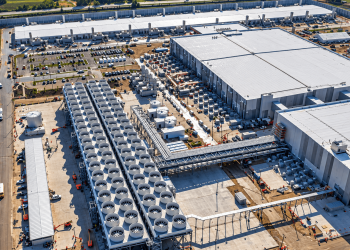
The assets under review include the Puerto Coloso desalination plant and electricity transmission lines that supply power to BHP’s Chilean mining operations.
Industry sources estimate the transmission network could be valued at approximately $1 billion to $1.3 billion, while the desalination facility may be worth $500 million to $700 million.
Assets involved include:
- Puerto Coloso desalination plant
- High-voltage transmission lines
- Infrastructure supporting Escondida operations
- Long-term utility networks
Although a sale is being explored, BHP is expected to continue using the facilities through long-term service agreements with any future owner.
Desalination Plant Plays a Critical Role
The Puerto Coloso desalination plant is one of the world’s largest reverse osmosis facilities serving the mining industry.
It supplies desalinated seawater to Escondida, the world’s largest copper mine, pumping thousands of liters of water every second over the Andes to support mining operations in Chile’s arid Atacama Desert.
The facility provides several important benefits:
- Reliable water supply
- Reduced dependence on groundwater
- Environmental sustainability
- Continuous mine operations
Its strategic importance makes it one of BHP’s most valuable infrastructure assets despite not being part of its core mining business.
Sale Supports Broader Capital Strategy
The proposed transaction is part of BHP’s wider plan to generate up to $10 billion by monetizing infrastructure and other non-core assets.
The company has already completed similar transactions, including the sale of a stake in Australian power infrastructure and a silver streaming agreement linked to its Peruvian mining operations.
BHP’s recent strategy includes:
- Selling infrastructure stakes
- Reducing ownership of non-core assets
- Expanding copper investments
- Increasing operational efficiency
These initiatives are designed to strengthen the company’s financial flexibility while supporting future growth projects.
Copper Demand Continues to Rise
Global demand for copper is expected to increase significantly over the coming decade as countries invest in electrification and clean energy technologies.
Copper remains an essential material for:
- Electric vehicles
- Renewable energy systems
- Power grids
- Artificial intelligence data centers
- Consumer electronics
BHP believes expanding copper production will position the company to benefit from these long-term structural trends.
Investors Monitor Potential Buyers
The sale process has not officially begun, and no potential buyers have been identified.
However, analysts believe infrastructure investment funds, utility companies, and institutional investors could express interest because the assets generate stable, long-term cash flows backed by one of the world’s largest mining operations.
Any eventual agreement would likely allow BHP to continue operating the infrastructure under long-term commercial contracts, ensuring uninterrupted mining activities.
Looking Ahead
BHP’s exploration of a possible sale highlights the company’s commitment to concentrating resources on its core copper business while unlocking value from strategic infrastructure assets.
If completed, the transaction would provide billions of dollars in additional capital to support future mining investments, reinforcing BHP’s position as one of the world’s leading copper producers at a time when global demand for the metal continues to accelerate.