Mark Carney and Danielle Smith Unite Behind Nation-Building Energy Corridor
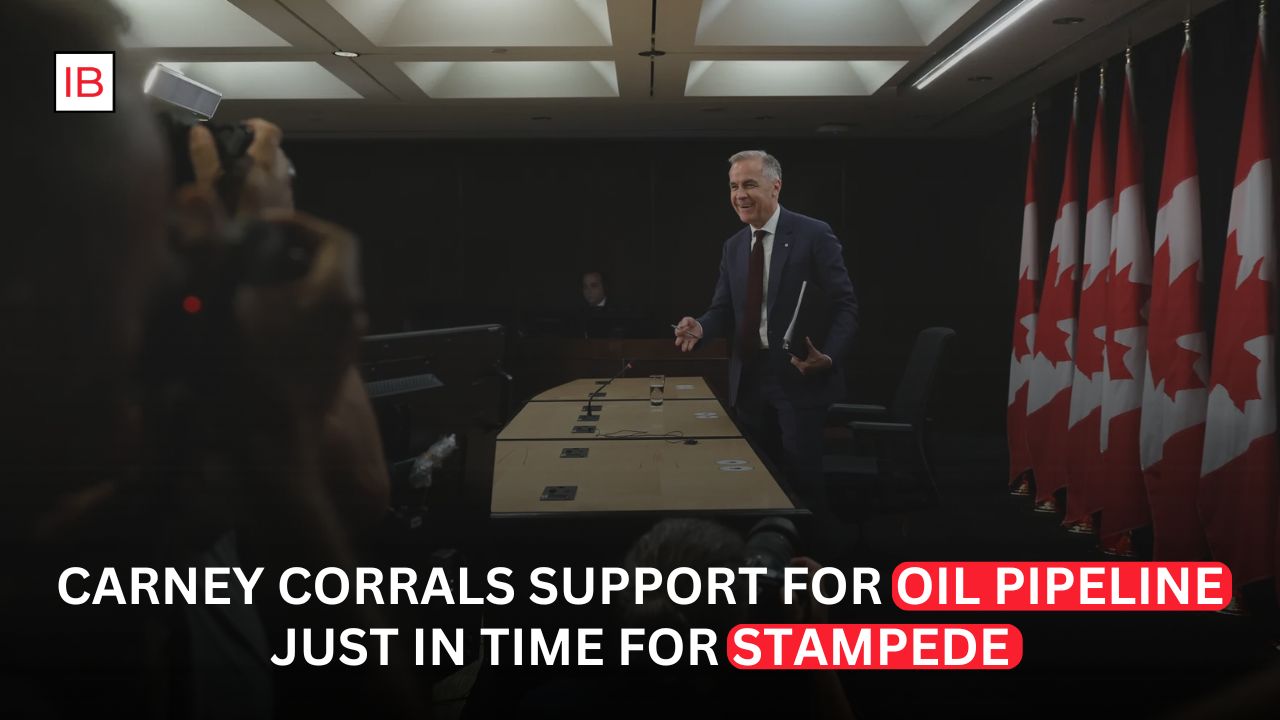
Canadian Prime Minister Mark Carney and Alberta Premier Danielle Smith have secured broad political backing for a proposed one-million-barrel-per-day oil pipeline that would transport Alberta crude to Canada’s Pacific Coast, marking one of the country’s most significant energy infrastructure projects in decades.
The proposed pipeline is designed to reduce Canada’s heavy dependence on the U.S. market by expanding crude oil exports to fast-growing Asian economies. The project also reflects a rare alignment between federal and provincial leaders on energy policy after years of political disagreements over pipeline development.
A Strategic Shift in Canada’s Energy Policy
Canada currently exports the vast majority of its crude oil to the United States.
The new pipeline would provide direct access to Pacific shipping routes, allowing Canadian producers to reach customers across Asia and other international markets. Supporters believe greater export diversification will strengthen Canada’s energy security and reduce vulnerability to changing U.S. trade policies.
Pipeline Designed to Carry One Million Barrels Per Day
The proposed project would transport approximately one million barrels of crude oil daily from Alberta to British Columbia’s southern Pacific coast.
According to government plans, the pipeline will largely follow the existing Trans Mountain corridor before connecting to expanded export infrastructure on the West Coast. Construction is expected to begin in 2027, subject to regulatory approvals and consultations with Indigenous communities.
Government Takes a Leading Role
Unlike many previous pipeline proposals led by private companies, this project will have significant public-sector involvement.
The federally owned Trans Mountain Corporation will oversee construction alongside Pembina Pipeline Corp., while the federal and Alberta governments are expected to retain majority ownership. Indigenous communities are also expected to receive an ownership stake as part of the project’s development framework.
Environmental Compromise Helps Build Support
One of the key reasons the project has gained broader political backing is a series of environmental compromises.
The agreement maintains the long-standing ban on oil tankers along British Columbia’s environmentally sensitive northern coastline while routing exports through southern facilities. In addition, Alberta has committed to supporting a major carbon capture and storage project intended to reduce emissions from oil sands production.
Economic Benefits Could Be Significant
Supporters argue the pipeline could generate substantial economic gains.
Greater export capacity would allow Canadian producers to access higher-priced international markets, potentially increasing government revenues, supporting employment, and encouraging further investment in the country’s energy sector.
Business groups also believe improved export infrastructure would strengthen Canada’s long-term competitiveness in global energy markets.
Challenges Still Remain
Despite growing political support, the project continues to face obstacles.
Environmental organizations remain concerned about increased fossil fuel production and greenhouse gas emissions, while some Indigenous communities continue to raise questions about environmental impacts and consultation processes.
The pipeline must also complete federal regulatory reviews before construction can officially begin.
Global Energy Demand Supports Expansion
The project comes as Asia continues to account for much of the world’s long-term growth in energy demand.
Canadian policymakers believe expanding export infrastructure will allow the country to benefit from rising consumption while providing buyers with a stable and reliable source of crude oil.
The proposal also reflects broader efforts by many energy-producing nations to diversify export markets amid evolving geopolitical and trade dynamics.
Looking Ahead
Canada’s proposed one-million-barrel-per-day oil pipeline represents a major shift in the country’s energy strategy, bringing together federal and provincial leaders behind a project aimed at expanding exports beyond the United States.
If approved, the pipeline could strengthen Canada’s position in global energy markets while creating significant economic opportunities through increased access to Asia. At the same time, environmental concerns, Indigenous consultations, and regulatory approvals will remain critical factors shaping the project’s future.
The initiative highlights Canada’s effort to balance economic growth, energy security, and environmental responsibilities as global demand for reliable energy supplies continues to evolve.