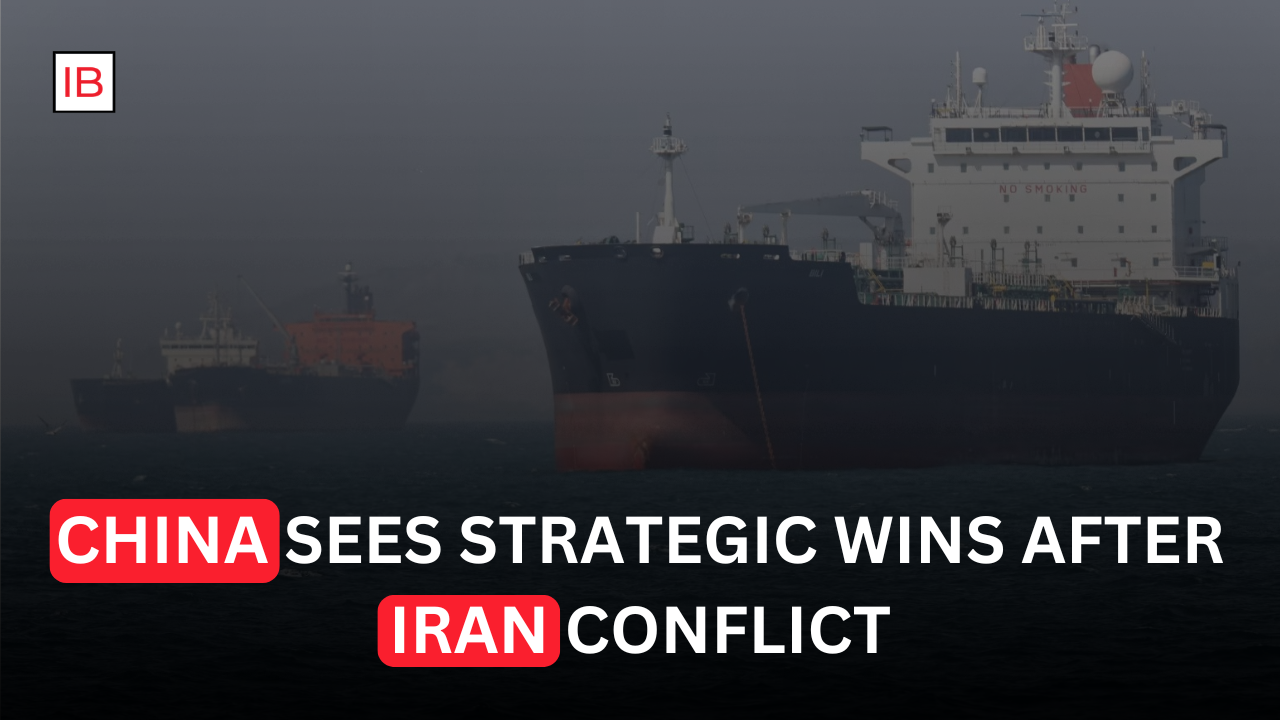
Beijing Strengthens Influence Without Direct Involvement. While the United States and Iran dominate headlines following their historic peace agreement, analysts say China may be one of the biggest beneficiaries of the deal despite never taking part in the conflict.
Throughout the war, Beijing largely avoided direct military involvement while positioning itself as a supporter of diplomatic solutions. The end of hostilities and the expected reopening of the Strait of Hormuz have helped protect China’s economic interests and strengthened its influence across the Middle East.
Energy Security Remains China’s Top Priority
China is the world’s largest importer of crude oil, and a significant portion of its energy supplies pass through the Strait of Hormuz.
During the conflict, disruptions to shipping routes threatened energy markets and raised concerns about supply shortages. The peace agreement reduces those risks and improves China’s ability to secure stable oil imports from the Gulf region. Analysts say Beijing strongly favored a diplomatic resolution because prolonged instability would have damaged its economy.
The reopening of Hormuz is expected to ease pressure on global energy prices, benefiting major importing nations such as China.
Diplomatic Influence Expands
China has spent years building relationships with both Iran and Arab Gulf states, allowing it to maintain communication with nearly every major player in the region.
Experts believe Beijing’s diplomatic efforts helped create conditions that encouraged negotiations between Washington and Tehran. Although China was not directly involved in the final agreement, its growing role as a mediator has enhanced its standing in international diplomacy.
Chinese officials have repeatedly called for stability and dialogue, presenting Beijing as a partner focused on economic development rather than military intervention.
US Focus on Conflict Creates Opportunities
The war also highlighted differences between American and Chinese approaches to foreign policy.
While Washington became deeply involved in military operations and negotiations, Beijing maintained a lower profile and emphasized diplomacy. Some analysts argue this allowed China to strengthen its image among countries seeking alternatives to traditional Western influence.
Observers note that several Middle Eastern nations have increasingly expanded economic and strategic ties with China in recent years, a trend that could accelerate following the conflict.
Economic Gains Could Follow
Beyond energy security, China may also benefit from future reconstruction projects, trade opportunities and infrastructure investments across the region.
As tensions ease, Chinese companies could find new opportunities in transportation, technology and energy sectors. Improved regional stability may also support Beijing’s broader Belt and Road Initiative, which relies heavily on secure trade routes connecting Asia, the Middle East and Europe.
Challenges Remain
Despite the apparent advantages, experts caution that China still faces risks.
Beijing maintains strong economic ties with both Iran and Gulf Arab states, meaning renewed instability could threaten its interests on multiple fronts. Continued violence in Lebanon and uncertainty surrounding future US-Iran nuclear negotiations could also complicate China’s long-term plans in the region.
In addition, China must balance its growing influence with expectations from regional partners who may seek a more active role in future crises.
A Stronger Position in the Middle East
For now, the US-Iran peace agreement appears to have strengthened China’s position without requiring direct military involvement. By maintaining relations with all sides and supporting diplomatic efforts, Beijing has emerged from the conflict with greater influence, improved energy security and expanded opportunities across the Middle East.
As negotiations continue over Iran’s nuclear program and regional security issues, China is expected to remain an increasingly important player in shaping the future balance of power in the region.
China Emerges as Quiet Winner of US-Iran Peace Deal
Beijing Strengthens Influence Without Direct Involvement. While the United States and Iran dominate headlines following their historic peace agreement, analysts say China may be one of the biggest beneficiaries of the deal despite never taking part in the conflict.
Throughout the war, Beijing largely avoided direct military involvement while positioning itself as a supporter of diplomatic solutions. The end of hostilities and the expected reopening of the Strait of Hormuz have helped protect China’s economic interests and strengthened its influence across the Middle East.
Energy Security Remains China’s Top Priority
China is the world’s largest importer of crude oil, and a significant portion of its energy supplies pass through the Strait of Hormuz.
During the conflict, disruptions to shipping routes threatened energy markets and raised concerns about supply shortages. The peace agreement reduces those risks and improves China’s ability to secure stable oil imports from the Gulf region. Analysts say Beijing strongly favored a diplomatic resolution because prolonged instability would have damaged its economy.
The reopening of Hormuz is expected to ease pressure on global energy prices, benefiting major importing nations such as China.
Diplomatic Influence Expands
China has spent years building relationships with both Iran and Arab Gulf states, allowing it to maintain communication with nearly every major player in the region.
Experts believe Beijing’s diplomatic efforts helped create conditions that encouraged negotiations between Washington and Tehran. Although China was not directly involved in the final agreement, its growing role as a mediator has enhanced its standing in international diplomacy.
Chinese officials have repeatedly called for stability and dialogue, presenting Beijing as a partner focused on economic development rather than military intervention.
US Focus on Conflict Creates Opportunities
The war also highlighted differences between American and Chinese approaches to foreign policy.
While Washington became deeply involved in military operations and negotiations, Beijing maintained a lower profile and emphasized diplomacy. Some analysts argue this allowed China to strengthen its image among countries seeking alternatives to traditional Western influence.
Observers note that several Middle Eastern nations have increasingly expanded economic and strategic ties with China in recent years, a trend that could accelerate following the conflict.
Economic Gains Could Follow
Beyond energy security, China may also benefit from future reconstruction projects, trade opportunities and infrastructure investments across the region.
As tensions ease, Chinese companies could find new opportunities in transportation, technology and energy sectors. Improved regional stability may also support Beijing’s broader Belt and Road Initiative, which relies heavily on secure trade routes connecting Asia, the Middle East and Europe.
Challenges Remain
Despite the apparent advantages, experts caution that China still faces risks.
Beijing maintains strong economic ties with both Iran and Gulf Arab states, meaning renewed instability could threaten its interests on multiple fronts. Continued violence in Lebanon and uncertainty surrounding future US-Iran nuclear negotiations could also complicate China’s long-term plans in the region.
In addition, China must balance its growing influence with expectations from regional partners who may seek a more active role in future crises.
A Stronger Position in the Middle East
For now, the US-Iran peace agreement appears to have strengthened China’s position without requiring direct military involvement. By maintaining relations with all sides and supporting diplomatic efforts, Beijing has emerged from the conflict with greater influence, improved energy security and expanded opportunities across the Middle East.
As negotiations continue over Iran’s nuclear program and regional security issues, China is expected to remain an increasingly important player in shaping the future balance of power in the region.