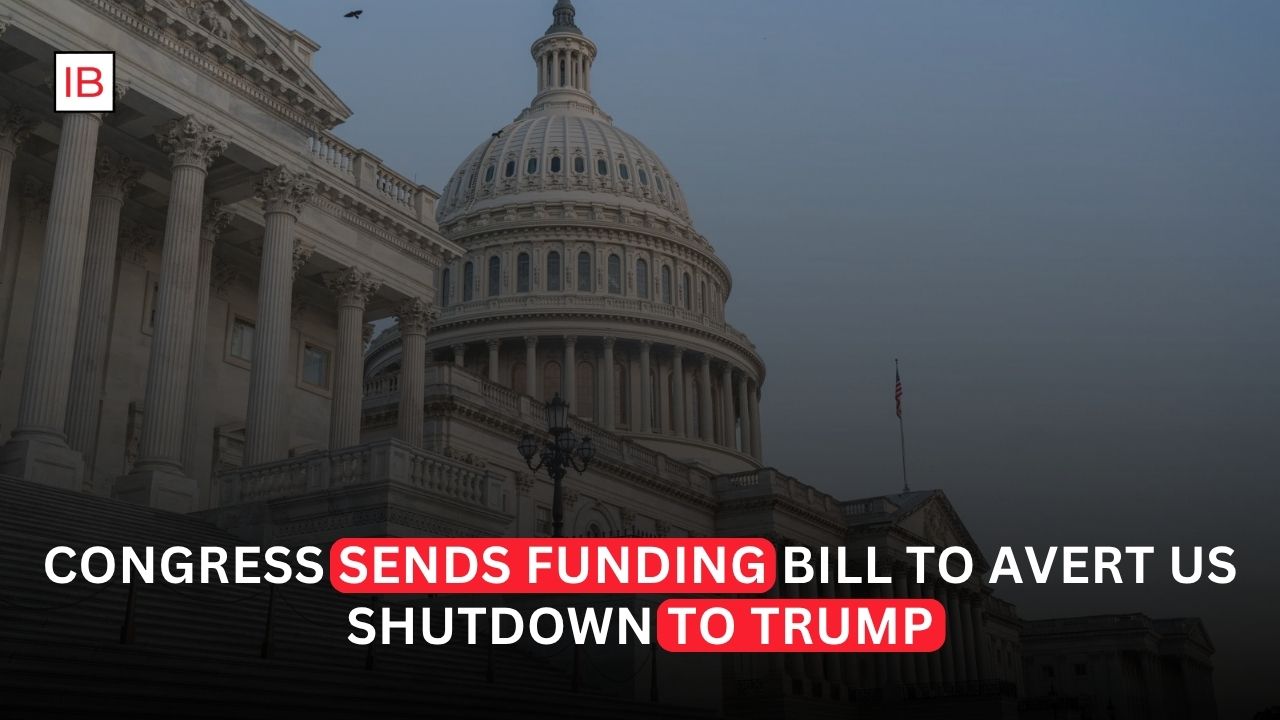
Bipartisan Vote Extends Federal Funding Beyond Midterm Elections. The US Congress has moved to prevent another government shutdown after the House of Representatives approved a temporary funding bill and sent it to President Donald Trump for his signature.
The measure would keep the federal government funded through December 11, pushing the next major spending deadline beyond the November midterm elections. The House approved the bill in a 370-48 vote after the Senate had already passed the legislation.
Bipartisan Support Helps Avoid Shutdown
The funding measure received broad bipartisan support, reflecting a desire among lawmakers to avoid another politically damaging shutdown ahead of the midterm elections.
Current federal funding is set to expire on September 30, meaning Congress faced the prospect of another shutdown if lawmakers failed to reach an agreement.
By approving the temporary measure early, lawmakers have given themselves additional time to negotiate the full-year spending bills required for the 2027 fiscal year.
Government Set to Remain Funded Until December
The continuing resolution largely keeps federal agencies operating while Congress works through disagreements over longer-term spending priorities.
The bill extends funding through December 11, delaying another major budget confrontation until after voters head to the polls in November.
Lawmakers still need to reach agreement on 12 separate annual appropriations bills that are required to fund the government for the full fiscal year.
Election Politics Influence the Agreement
The decision to avoid a shutdown comes as both Republicans and Democrats prepare for the November midterm elections.
A prolonged shutdown could have created political risks for both parties, particularly at a time when voters remain concerned about the cost of living, government services and broader economic uncertainty.
The temporary agreement allows lawmakers to avoid a major political confrontation during the height of the election campaign while postponing more difficult spending negotiations until later in the year.
Democrats Secure Key Provisions
The final measure includes provisions that helped attract Democratic support.
Among the changes, the legislation delays a proposed rule that would have given the White House greater influence over federal grant decisions. It also prevents additional funding from being directed to certain immigration enforcement agencies through the 2027 fiscal year under the terms outlined in the agreement.
These concessions helped lawmakers secure enough bipartisan support to move the measure through both chambers of Congress.
Trump Expected to Sign Bill
With the House and Senate now having approved the legislation, the bill has been sent to President Trump for his signature.
Trump’s approval would formally avert the threat of a government shutdown when current funding expires at the end of September.
The administration has supported efforts to keep the government operating while Congress continues work on a longer-term budget agreement.
Bigger Budget Challenges Still Ahead
While the temporary measure removes the immediate threat of a shutdown, it does not resolve the broader disagreements over federal spending.
Republicans and Democrats remain divided over defence funding, domestic programs and the overall direction of the federal budget.
Congress will face another major test in December, when lawmakers must either approve full-year spending legislation or agree on another temporary funding extension.
For now, however, the bipartisan agreement gives Washington a temporary reprieve and allows both parties to turn their attention toward the upcoming midterm elections without the immediate threat of another government shutdown.