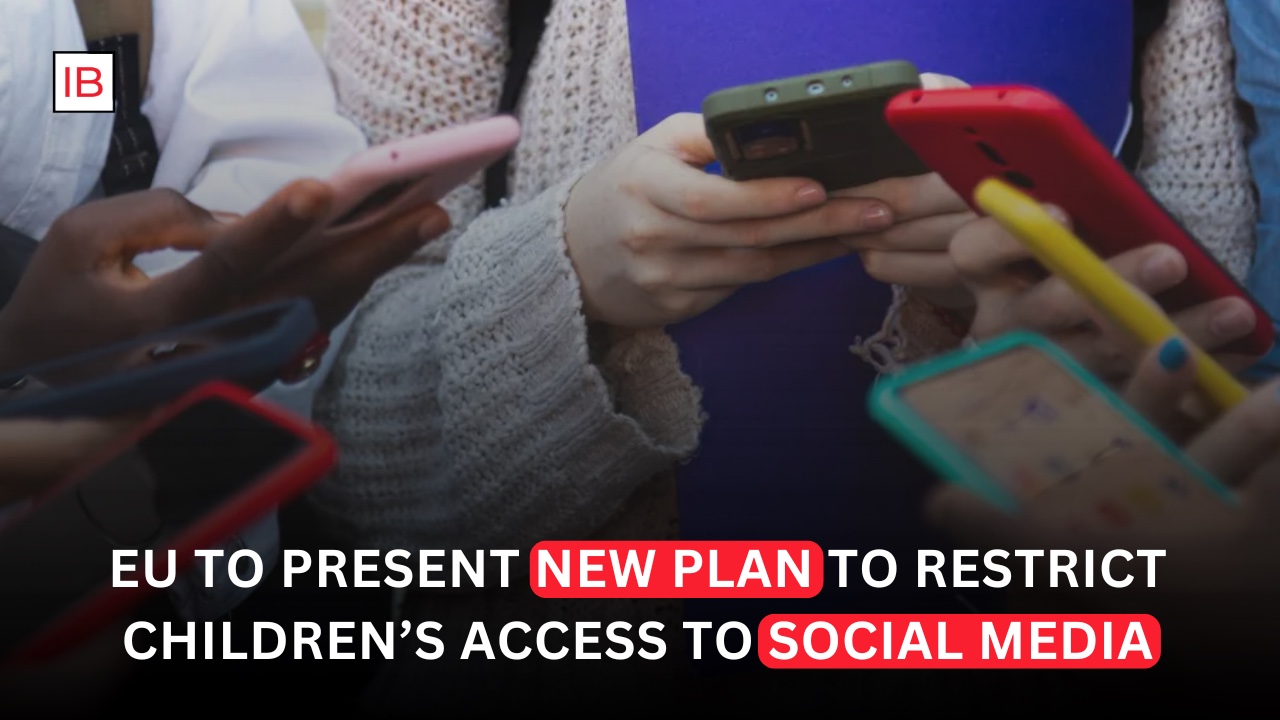
New Proposal Aims to Strengthen Online Safety for Minors Across the EU
The European Union is preparing to introduce a new proposal designed to restrict children’s access to social media platforms, as regulators step up efforts to improve online safety and protect minors from harmful digital content.
The upcoming plan is expected to include stricter age verification measures and stronger safeguards for young users, reflecting growing concerns about the impact of social media on children’s mental health, privacy, and online wellbeing.
EU Intensifies Focus on Child Online Safety
European policymakers have made protecting children online one of their top digital policy priorities.
The proposed measures are expected to address:
- Age verification systems
- Access restrictions for minors
- Privacy protections
- Harmful content exposure
- Platform accountability
Officials believe stronger safeguards are needed as children spend increasing amounts of time on digital platforms.
Tougher Rules for Social Media Platforms
Under the proposal, technology companies may be required to implement more effective systems for identifying underage users.
Potential requirements include:
- Improved age verification
- Stronger parental controls
- Default privacy settings for minors
- Restrictions on personalized recommendations
- Enhanced content moderation
The measures are intended to reduce children’s exposure to inappropriate or harmful material online.
Digital Platforms Face Greater Responsibility
The EU has increasingly placed responsibility on technology companies to create safer online environments.
Regulators are expected to emphasize:
- User safety
- Transparency
- Data protection
- Risk assessments
- Compliance monitoring
Companies that fail to meet regulatory requirements could face enforcement actions under existing EU digital laws.
Mental Health Concerns Drive New Measures
The proposal follows growing research and public concern about the effects of excessive social media use on children and teenagers.
Issues frequently highlighted include:
- Anxiety and depression
- Cyberbullying
- Addictive platform features
- Exposure to harmful content
- Sleep disruption
European officials argue that stronger protections are necessary to reduce these risks while allowing young people to benefit from digital technology.
Industry Prepares for Regulatory Changes
Major social media companies are expected to closely review the proposed rules once they are officially released.
Technology firms may need to invest in:
- New verification technologies
- Enhanced safety tools
- Compliance systems
- Moderation capabilities
- Privacy infrastructure
The proposal could significantly reshape how platforms serve younger users across the European Union.
Part of Broader EU Digital Strategy
The initiative forms part of the EU’s wider effort to regulate digital platforms through comprehensive technology legislation.
European lawmakers continue to expand rules covering:
- Online safety
- Artificial intelligence
- Digital privacy
- Competition
- Consumer protection
The latest proposal reinforces the bloc’s position as one of the world’s leading regulators of the technology sector.
Looking Ahead
The European Union’s upcoming proposal marks another major step toward strengthening online protections for children. By introducing stricter age verification requirements and placing greater responsibility on social media companies, the EU aims to create a safer digital environment for young users.
As regulators finalize the proposal, technology companies are expected to prepare for additional compliance requirements that could influence how social media platforms operate throughout Europe.