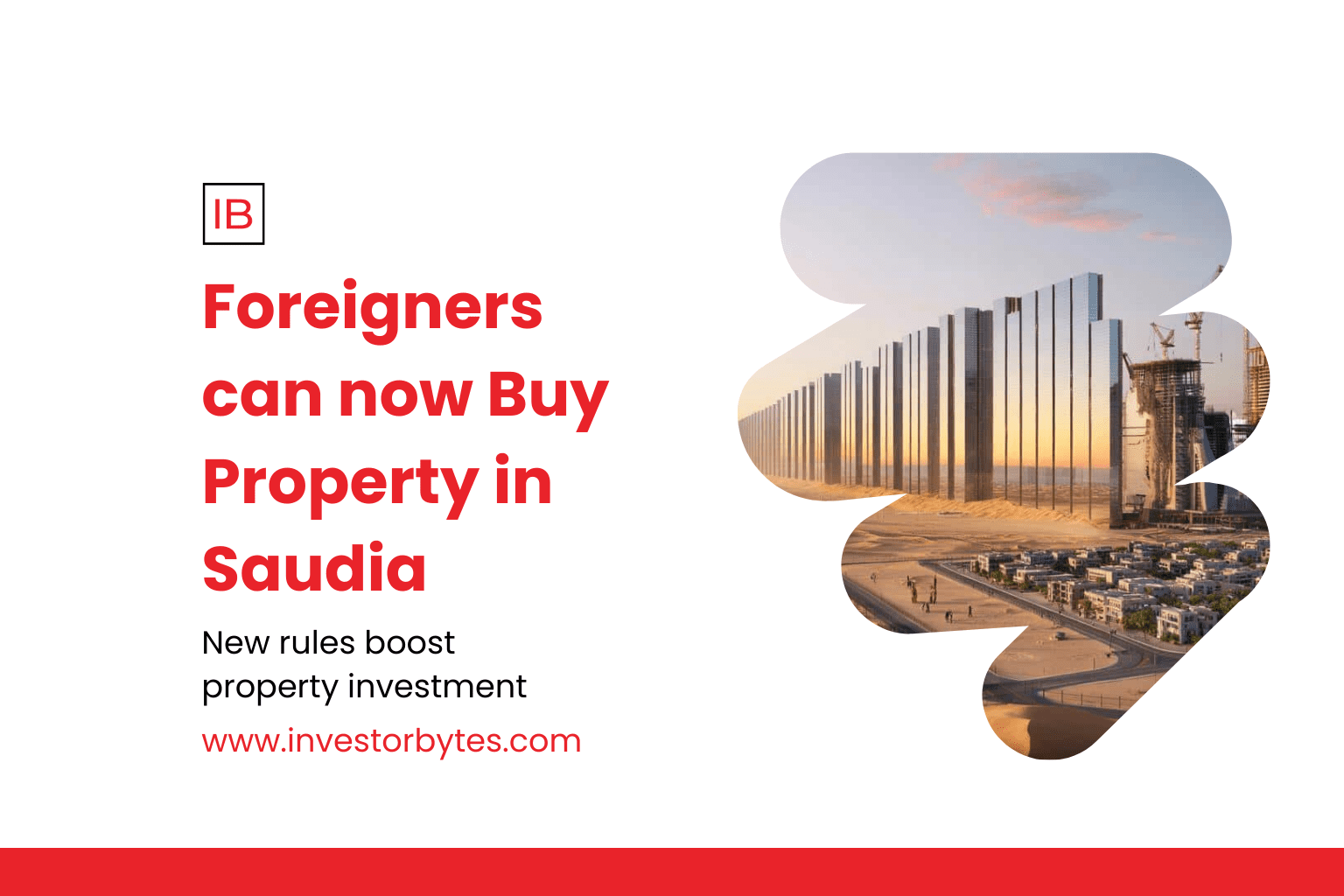
In a historic move that signals a new chapter for the Middle East’s largest economy, Saudi Arabia officially opened its real estate market to foreign buyers on January 21, 2026. This landmark reform, under Royal Decree M/14, marks a decisive shift from the Kingdom’s traditional “residency-based” ownership models toward a global, open-market approach designed to catalyze Vision 2030.
Saudi Arabia Opens Property Market to Global Investors
The new Law of Real Estate Ownership by Non-Saudis allows international individuals and corporate entities to acquire residential, commercial, industrial, and agricultural properties. Previously, foreign ownership was largely restricted to those with Premium Residency or specific business licenses. Under the 2026 regulations, the barriers have been lowered to attract a new wave of “patient capital” from global tycoons and institutional funds.
Strategic Zones: Ownership is permitted within designated high-growth zones approved by the Real Estate General Authority (REGA). Key areas expected to lead this surge include Riyadh, Jeddah, and flagship “Giga-projects” such as NEOM, Qiddiya, and Diriyah.
The Holy Cities: In a significant update, the law allows Muslim foreign individuals and foreign-owned Saudi businesses to acquire limited ownership in Makkah and Madinah under specific conditions, while remaining restricted for non-Muslims.
Economic Impact: The reform aims to help Saudi Arabia reach its goal of $100 billion in annual Foreign Direct Investment (FDI) by 2030, positioning real estate as a central pillar of the non-oil economy.
The Digital Shift: Saudi Properties Portal
To ensure transparency and speed, all foreign transactions must now be processed through the new Saudi Properties digital platform.
Transaction Fees: Foreign buyers will face a transaction fee of up to 5%, in addition to the standard 5% Real Estate Transfer Tax (RETT).
Anti-Speculation: The framework includes measures to discourage “flipping” and short-term speculation, prioritizing long-term development and urban stability.
Analysts view this move as a strategic complement to the Dubai market. While Dubai offers mature liquidity, Saudi Arabia provides a “ground floor” opportunity in one of the world’s most ambitious urban transformation stories. For global real estate developers, the 2026 law is the “green light” they have been waiting for to integrate the Kingdom into their core portfolios.