German Chancellor Signals Shift Toward Greater Alignment With European Efforts to Address Trade, Technology and Security Concerns
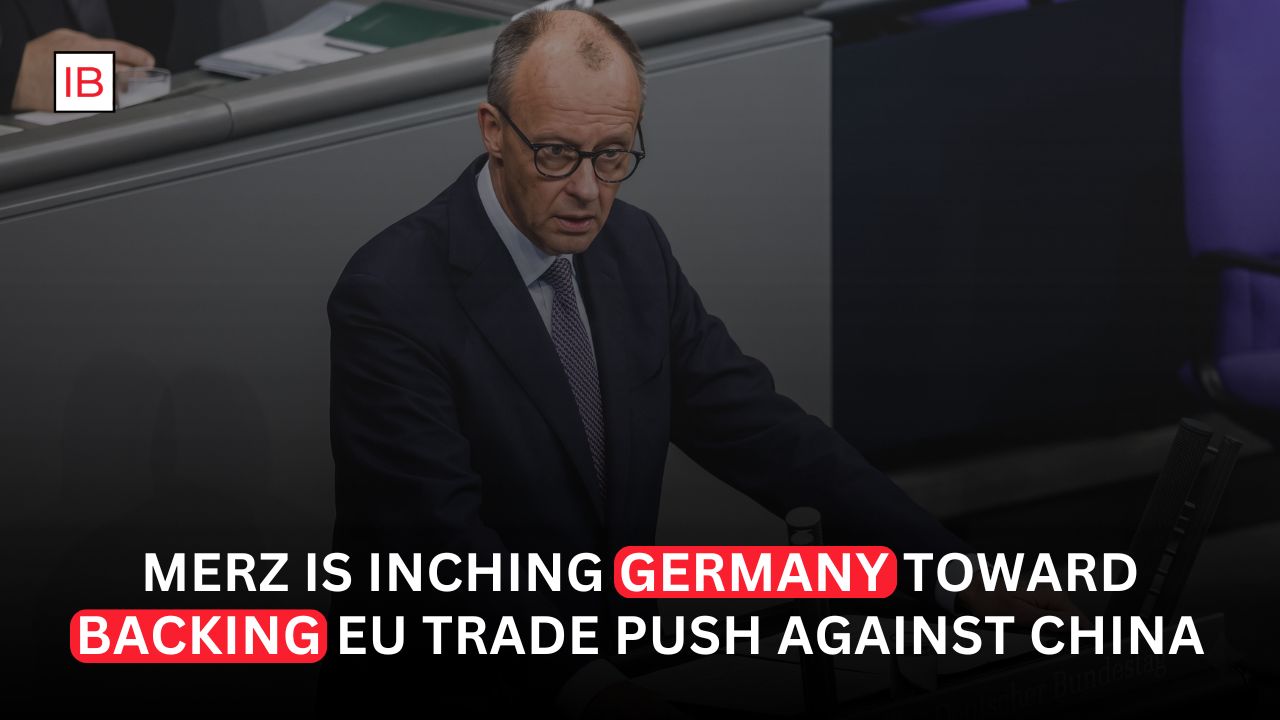
German Chancellor Friedrich Merz is moving Germany closer to supporting a tougher European Union approach toward China, signaling a notable shift in Berlin’s foreign and economic policy as the bloc seeks to reduce strategic dependencies and respond more firmly to Beijing’s growing global influence.
The change reflects increasing concern across Europe over trade imbalances, industrial competition, supply chain security, and China’s role in critical technologies. While Germany has traditionally maintained close economic ties with China because of its export-driven economy, the Merz government is placing greater emphasis on balancing commercial interests with national and European security priorities.
Germany Reassesses Its China Policy
Germany has long viewed China as one of its most important trading partners, particularly for its automotive, engineering, and manufacturing industries.
However, Berlin is now reassessing that relationship in light of:
- Rising geopolitical tensions.
- Concerns over economic dependence.
- Supply chain vulnerabilities.
- Technology security.
- Increasing competition from Chinese manufacturers.
Officials say the goal is not to sever economic ties but to reduce excessive reliance on any single market while protecting strategic industries.
Closer Alignment With the European Union
Merz’s position brings Germany closer to the European Commission’s strategy of “de-risking” rather than completely decoupling from China.
The EU’s approach focuses on:
- Diversifying supply chains.
- Protecting critical technologies.
- Strengthening investment screening.
- Addressing unfair trade practices.
- Enhancing economic resilience.
Germany’s support would strengthen the EU’s ability to pursue a more coordinated China policy across member states.
Trade and Technology at the Center
China remains a crucial market for many German companies, particularly automobile manufacturers, machinery producers, and chemical firms.
At the same time, European policymakers are increasingly concerned about:
- Subsidized Chinese exports.
- Competition in electric vehicles.
- Semiconductor supply chains.
- Artificial intelligence technologies.
- Telecommunications infrastructure.
These issues have become central to discussions about Europe’s long-term economic competitiveness.
Business Community Watches Closely
German businesses are monitoring the government’s evolving China policy because many companies have significant investments and operations in the country.
Industry leaders are seeking:
- Stable trade relations.
- Predictable investment rules.
- Continued market access.
- Reduced geopolitical uncertainty.
- Protection of global supply chains.
Many companies support diversification while emphasizing the importance of maintaining commercial engagement with China.
Broader Geopolitical Implications
Germany’s policy shift comes amid wider geopolitical changes, with Western governments placing greater emphasis on economic security.
The evolving strategy reflects concerns over:
- Critical mineral supplies.
- Advanced semiconductor production.
- Cybersecurity.
- Strategic infrastructure.
- Global industrial competition.
Analysts believe Germany’s position could influence future EU decisions on trade, investment, and industrial policy.
Looking Ahead
Germany’s movement toward supporting a firmer European Union stance on China marks an important development in European economic and foreign policy. Under Chancellor Friedrich Merz, Berlin appears increasingly committed to reducing strategic vulnerabilities while preserving constructive economic relations with Beijing.
As Europe continues balancing its commercial interests with national security concerns, Germany’s role will remain critical in shaping the EU’s future approach to China. Decisions made in the coming months could have significant implications for trade, technology cooperation, investment, and the broader geopolitical relationship between Europe and China.