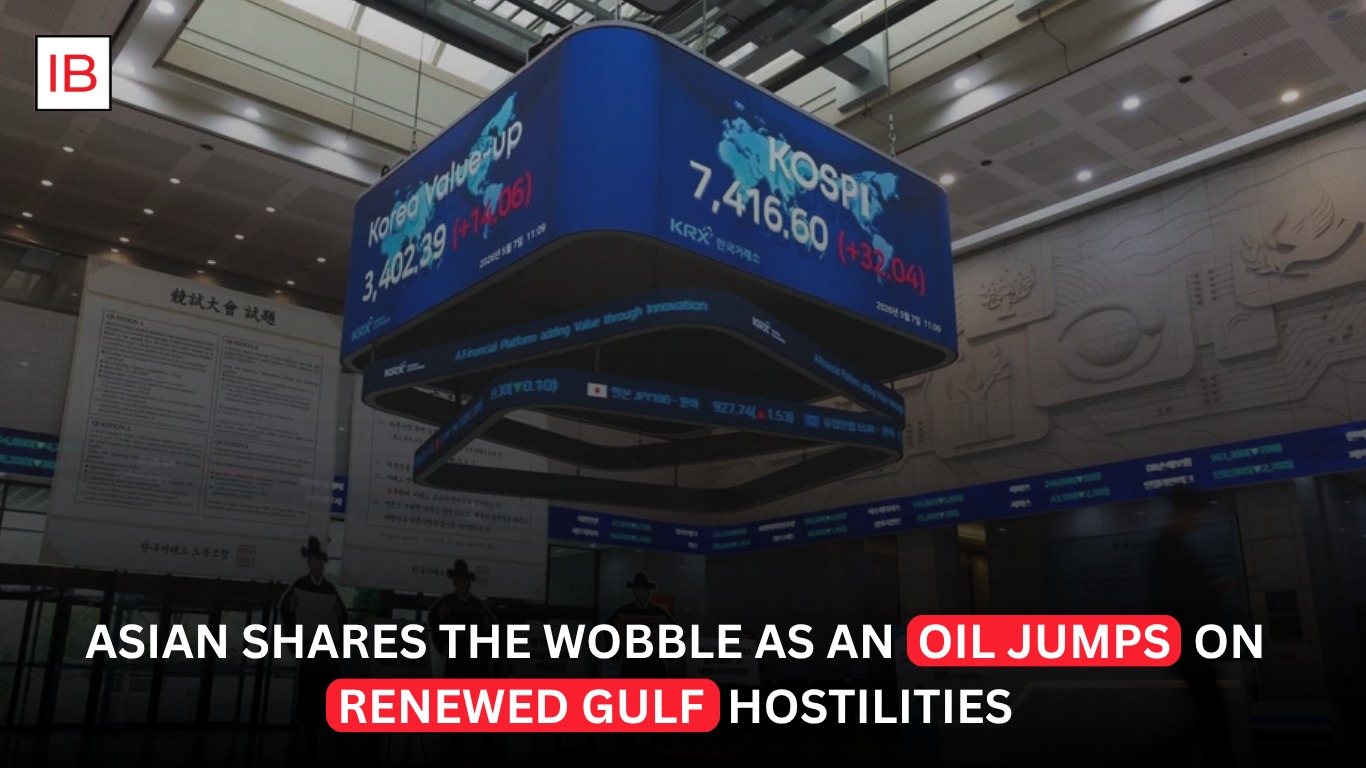
Stocks Gain While Investors Balance Geopolitical Tensions and Economic Uncertainty
Global financial markets showed resilience as investors weighed renewed geopolitical tensions in the Middle East against improving sentiment surrounding international trade and corporate earnings.
Although higher oil prices and inflation concerns continued to influence trading, equities in several major markets advanced as investors focused on long-term economic fundamentals rather than short-term uncertainty.
Asian Markets Deliver Mixed Performance
Asian markets traded unevenly as technology stocks remained volatile while energy-related shares benefited from higher crude prices.
Regional performance included:
- Japan’s Nikkei gained on technology strength.
- South Korea experienced renewed volatility after recent semiconductor selling.
- Chinese equities traded cautiously.
- Broader Asian indexes slipped slightly as investors remained defensive.
Market participants continued monitoring both corporate developments and geopolitical headlines before making larger investment decisions.
Oil Prices Extend Weekly Gains
Energy markets remained one of the biggest drivers of investor sentiment.
Brent crude continued climbing after renewed tensions involving Iran raised concerns about global energy supplies.
Higher oil prices were supported by:
- Concerns over Middle East stability.
- Possible risks to shipping routes.
- Expectations of tighter energy supplies.
- Stronger demand expectations.
The increase in crude prices has also revived worries that inflation could remain elevated longer than previously expected.
Inflation Concerns Return
The latest rise in oil prices has prompted investors to reassess expectations for global interest rates.
Higher energy costs could influence:
- Consumer inflation
- Transportation expenses
- Manufacturing costs
- Central bank policy decisions
Money markets now anticipate additional monetary tightening if inflation remains above target levels.
Technology Stocks Show Mixed Performance
Technology shares remained one of the market’s most closely watched sectors.
While some AI-related companies continued attracting investor interest, semiconductor stocks experienced renewed pressure after recent volatility.
Analysts noted that investors are becoming increasingly selective, rewarding companies with strong earnings prospects while taking profits in firms viewed as highly valued.
Bond Markets Reflect Cautious Mood
Government bond yields moved higher across several major economies as investors adjusted to stronger inflation expectations.
Rising yields reflected:
- Higher oil prices
- Expectations for tighter monetary policy
- Reduced demand for safe-haven government bonds
The bond market reaction suggested investors believe central banks may need to keep interest rates elevated if energy prices continue rising.
Currency Markets Remain Relatively Stable
Unlike previous geopolitical shocks, major currency markets experienced relatively limited volatility.
The U.S. dollar maintained support as investors continued viewing it as a safe-haven asset, while most Asian currencies traded within relatively narrow ranges.
Market participants said foreign exchange movements remained more orderly than commodity markets despite heightened geopolitical uncertainty.
Investors Watch Geopolitical Developments Closely
Financial markets remain highly sensitive to developments involving the Middle East.
Key risks being monitored include:
- Further military escalation
- Energy supply disruptions
- Inflation pressures
- Global economic growth
Analysts caution that any additional escalation could quickly increase market volatility across equities, commodities, and currencies.
Looking Ahead
Global investors continue balancing two competing forces: optimism surrounding economic growth and corporate performance, against renewed geopolitical uncertainty and rising energy prices.
While markets have shown resilience, higher oil prices and inflation risks are likely to remain central themes for investors over the coming weeks. Future movements will largely depend on developments in the Middle East, upcoming corporate earnings, and signals from central banks regarding the outlook for interest rates.