New Initiative Aims to Expand AI Access Across Africa’s Creative Economy
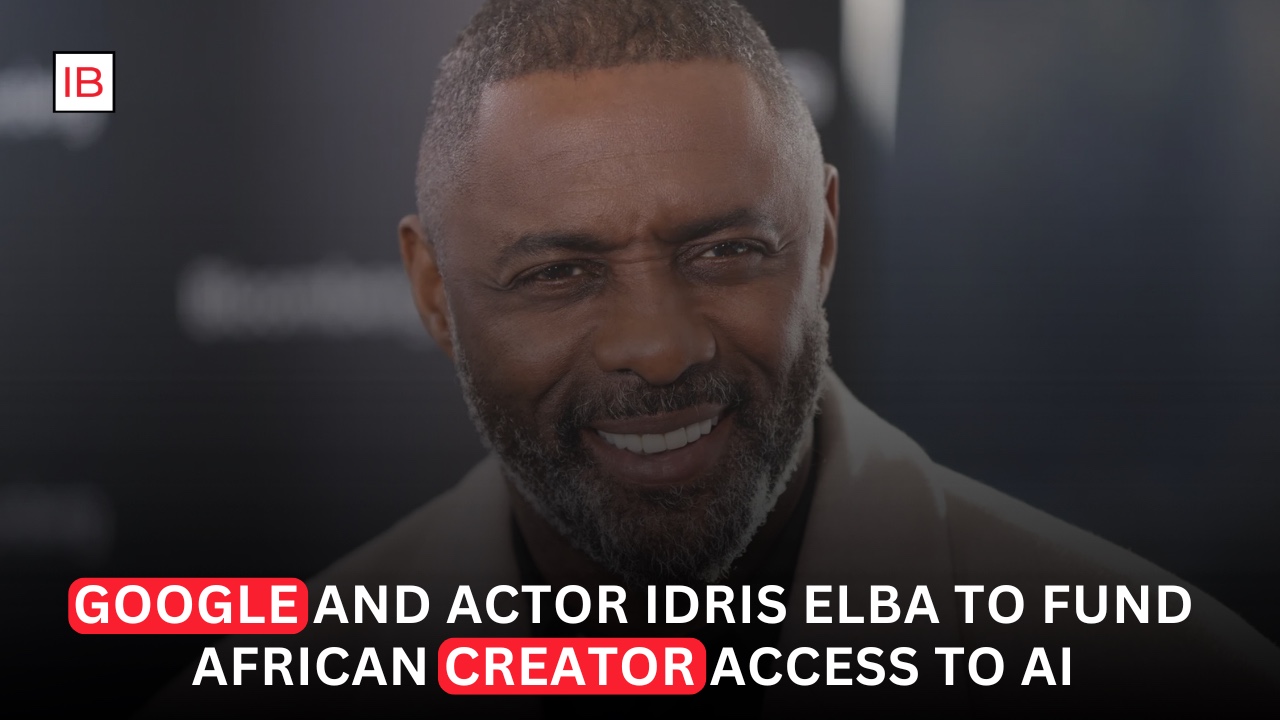
Google and actor Idris Elba are partnering on a new initiative designed to expand access to artificial intelligence tools for creators across Africa, marking one of the most high-profile collaborations yet between Big Tech and a global entertainment figure in the AI space.
The program will focus on improving access to AI-powered tools for filmmakers, musicians, designers, and digital creators across the continent, with the goal of reducing barriers to entry in fast-growing creative industries. (bloomberg.com)
A Push to Close the AI Access Gap
The initiative reflects growing concerns about unequal access to advanced AI technologies, particularly in emerging markets where infrastructure, compute access, and funding remain limited.
By supporting African creators with AI tools, training, and infrastructure access, the project aims to help local talent compete in global digital markets while building new pathways for creative and economic growth.
Industry observers say initiatives like this are increasingly seen as part of a broader “AI inclusion” movement, focused on ensuring that generative AI tools are not concentrated only in the U.S., Europe, and parts of Asia.
Idris Elba’s Expanding Role in African Creative Development
Actor Idris Elba, who has long advocated for greater investment in African film and entertainment industries, is playing a central role in the initiative.
Beyond his film career, Elba has been involved in projects aimed at developing African production capacity, including efforts to strengthen film infrastructure and storytelling ecosystems across the continent.
His involvement is expected to help bridge the gap between global technology companies and local creative communities.
Google’s Broader AI Expansion Strategy
For Google, the initiative fits into a wider strategy of expanding AI adoption globally, particularly in regions where digital transformation is accelerating but access to cutting-edge tools remains uneven.
The company has been heavily investing in AI infrastructure, including cloud-based AI services, foundation models, and developer ecosystems designed to support large-scale adoption of generative AI technologies.
This Africa-focused program extends that approach into the creative sector, positioning AI as both a productivity tool and a platform for cultural production.
Africa’s Growing Digital and Creative Economy
Africa’s creative industries—particularly film, music, fashion, and digital content—have seen rapid growth in recent years, driven by rising internet penetration and mobile-first content creation.
Platforms such as YouTube, TikTok, and streaming services have enabled African creators to reach global audiences, while local production ecosystems continue to expand in countries like Nigeria, Kenya, South Africa, and Ghana.
However, limited access to advanced tools and funding has remained a major constraint on scaling production quality and global competitiveness.
AI as a Creative Equalizer
Artificial intelligence is increasingly being viewed as a potential equalizer in the global creative economy.
Generative AI tools can assist with:
- Video editing and post-production
- Scriptwriting and content ideation
- Music production and sound design
- Visual effects and animation
- Translation and localization of content
By lowering technical and financial barriers, AI tools may allow independent creators to produce higher-quality content with fewer resources.
Strategic Importance of Cultural AI Investment
The initiative also reflects a broader shift in how technology companies are approaching AI deployment—moving beyond enterprise and productivity use cases toward cultural and creative applications.
Investments in creative AI ecosystems are increasingly seen as strategically important for:
- Expanding user adoption of AI tools
- Building long-term developer ecosystems
- Strengthening brand presence in emerging markets
- Supporting culturally diverse AI-generated content
This approach positions AI not just as infrastructure, but as a cultural and economic platform.
Challenges Around Infrastructure and Equity
Despite its promise, the initiative faces several challenges.
Access to reliable internet infrastructure, high-performance computing resources, and affordable AI tools remains uneven across many African regions. There are also concerns about ensuring that local creators retain ownership and fair compensation for AI-assisted content.
Experts note that long-term success will depend on sustained investment in education, infrastructure, and local partnerships.
Looking Ahead
The collaboration between Google and Idris Elba signals a growing recognition that the future of AI will be shaped not only by technological innovation, but also by who has access to it.
As AI tools become increasingly central to creative production worldwide, efforts to broaden participation in regions like Africa could play a key role in shaping a more globally distributed digital economy.
If successful, the initiative could help unlock a new generation of African creators who are able to leverage AI to compete, innovate, and export cultural content on a global scale.