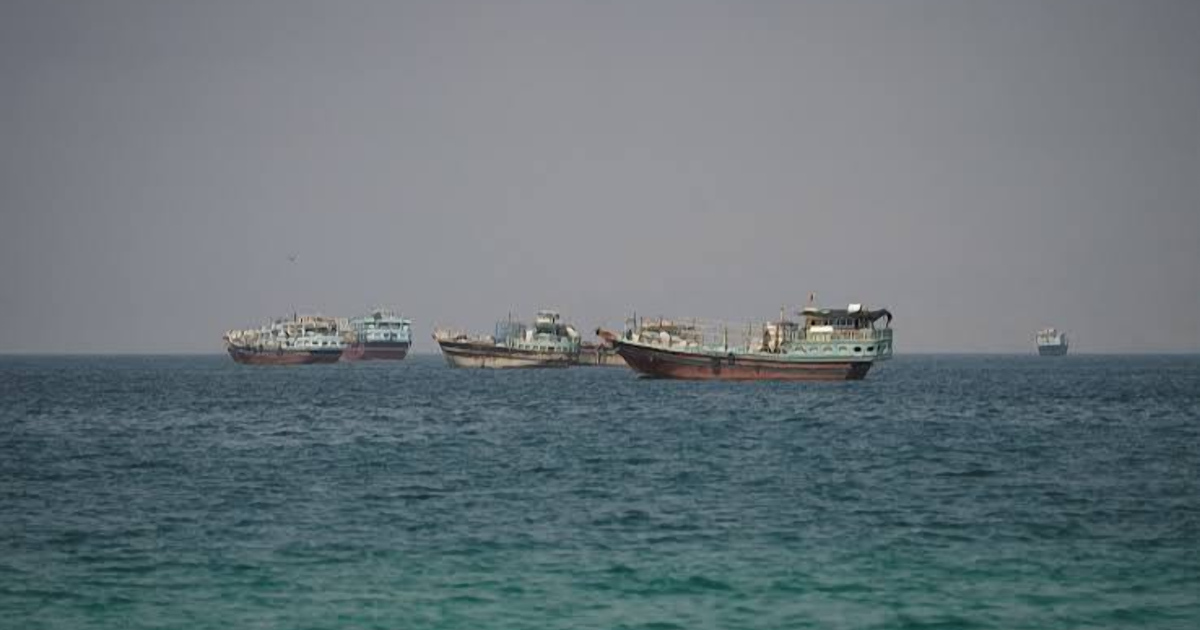
The escalation of geopolitical conflict in the Middle East has created an unprecedented bottleneck in global energy transit, as a near-total Hormuz disruption deepens global economic strain across international commerce, energy prices, and sovereign credit markets. According to the second rapid assessment released by UN Trade and Development (UNCTAD), the Strait of Hormuz remains practically closed, with daily maritime ship transits collapsing by approximately 95% dropping from an average of 129 daily transits in February down to just 6 per day in March.
What began as a localized security crisis in a vital maritime energy corridor has rapidly spilled over into global supply chains. The sudden stoppage in oil and liquefied natural gas (LNG) shipments is driving up freight rates, fueling headline inflation, and exacerbating capital flight from vulnerable emerging market economies.
Investors, corporate strategists, and commodity market analysts tracking shifting international energy routes and central bank policy moves can follow continuous updates in our stock market trends section.
Energy Shocks Drive Down Global Merchandise Trade
The virtual closure of the Strait of Hormuz represents a severe supply-side shock to the international economy. Fuel prices and maritime transport insurance premiums have spiked sharply, directly raising manufacturing and distribution costs across Europe, South Asia, and the Americas.
As a direct consequence of energy supply shocks and rising logistical uncertainty, UNCTAD has revised its global merchandise trade forecasts downwards. Real merchandise trade growth is expected to slow sharply from 4.7% in 2025 to between 1.5% and 2.5% in 2026, while broader global GDP growth is projected to decelerate from 2.9% to 2.6%.
Strait of Hormuz Disruption Impact Summary:
• Daily Ship Transits: Down 95% (From ~129/day in Feb to ~6/day in March)
• 2026 Global Trade Growth Projection: Slowing to 1.5% – 2.5% (down from 4.7% in 2025)
• Projected 2026 Global GDP Growth: Easing to 2.6% (down from 2.9%)
• Vulnerable Population Risk: 3.4 billion people in nations spending more on debt than healthcare
• Primary Affected Sectors: Crude Oil Carriers, LNG Logistics, Maritime Insurance, Agriculture
To review how energy prime contractors, shipping lines, and multinational logistics providers report quarterly operational performance, explore our breakdown of the latest corporate earnings updates on InvestorBytes.
Mounting Financial Pressures on Developing Economies
Beyond physical trade flows, the energy crisis is triggering severe financial contagion across global capital markets. As risk aversion spreads, institutional investors are executing broad sell-offs of equities, bonds, and currencies in developing economies, shifting capital into traditional safe-haven assets.
This capital flight has caused local currencies across emerging markets to depreciate, making essential imports—such as food, fertilizer, and refined petroleum—significantly more expensive. Simultaneously, rising sovereign borrowing costs on international capital markets are restricting governments’ ability to deploy fiscal support.
Systemic Risks Facing Frontier and Developing Nations
- Currency Depreciation: Weakened local exchange rates amplify imported energy and food inflation.
- Elevated Borrowing Spreads: Sovereign bond yields have expanded, making debt refinancing cost-prohibitive.
- Debt Service vs. Social Spending: Over 3.4 billion people currently reside in countries where debt-servicing costs exceed national budgets for health or education.
For a comprehensive analysis of how cloud technology, AI-driven supply chain routing, and automated logistics systems help manage trade disruptions, read our report on tech stocks and AI infrastructure.
The Risk of a Cascading Sovereign Debt Crisis
UNCTAD cautions that if energy infrastructure experiences long-term physical damage or if transit through the Strait remains blocked for an extended period, the economic shock could evolve into a broader debt crisis across developing nations.
Even traditional energy-exporting countries are finding their net fiscal gains squeezed, as elevated import costs for manufactured goods, agricultural inputs, and maritime insurance offset additional hydrocarbon revenues.
“The Strait of Hormuz remains virtually closed, with effects spreading through the global economy within weeks by disrupting energy flows, raising prices and increasing financial pressure on developing countries,” warns the UNCTAD rapid assessment report.
Outlook for International Markets
As the Hormuz disruption deepens global economic strain, international markets face a delicate balancing act between sticky energy inflation and weakening consumer demand. Mitigating the long-term impact will depend on restoring maritime security, stabilizing international energy supplies, and providing targeted financial safeguards for debt-distressed economies heading into the second half of 2026.
Disclaimer The information provided in this article is for educational, journalistic, and informational purposes only and does not constitute formal financial, legal, or investment advice.