
You don’t need to be tech-savvy to put artificial intelligence to work in your own home, you just need to know where to start. This guide on how to use AI in daily life at home breaks down 10 practical, everyday AI use cases covering your finances, health, meals, security, and free time, using tools most people already have access to. Each entry includes a real example prompt you can copy, paste, and use today, based on how actual households are using AI in 2026.
Let’s dive into the article to see all 10 ways AI can genuinely simplify daily home life, from smart automation and meal planning to money, health, and family scheduling, with a ready-to-use prompt for each one so you can try it out immediately.
How to Use AI in Daily Life at Home
Every household is different, but the categories below cover the areas where AI at home 2026 makes the biggest practical difference, no coding, no special hardware, just a phone or laptop and a few minutes to try it.
1. Smart Home Automation
AI-powered thermostats and lighting systems learn your daily routine and adjust automatically, warming the house before you get home, dimming lights in the evening, or reacting to motion, without you touching a single switch.

Quick Facts:
- Smart thermostats can save around 66 minutes per day through automated energy management, while also cutting utility bills through optimized usage patterns
- Works through devices like Nest, Ecobee, Alexa, or Google Home connected to smart bulbs and thermostats
Try This Prompt:
I have a smart thermostat and smart bulbs at home. Suggest a daily routine that lowers heating/cooling costs while keeping the house comfortable from 7 AM to 11 PM, with specific temperature and lighting settings for morning, day, evening, and night.
2. Meal Planning & Grocery Management
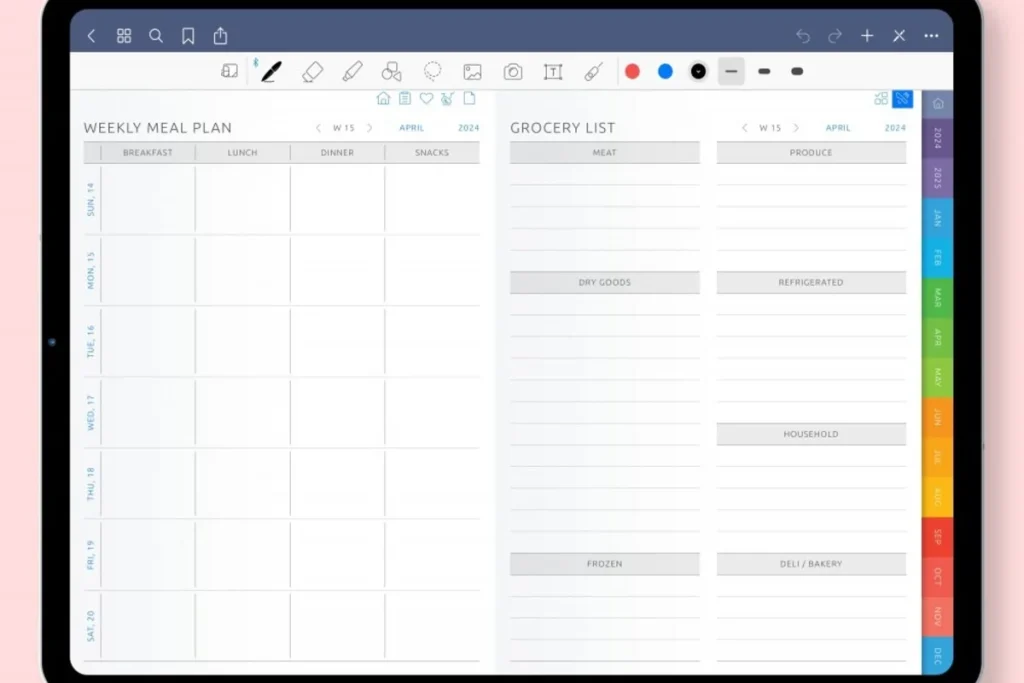
Instead of standing in front of the fridge wondering what to cook, AI can turn whatever’s already in your kitchen into a full recipe, then build the shopping list for whatever’s missing.
Quick Facts:
- AI in everyday life can create grocery lists from recipes and suggest meal plans based on your existing pantry
- Automatic shopping lists can track what you buy, predict when supplies will run out, and suggest budget-friendly alternatives
Try This Prompt:
Here’s what’s in my fridge and pantry: [list ingredients]. Suggest 3 dinner recipes I can make with what I already have, and tell me exactly what I’d need to buy to complete each one.
3. Personal Finance & Bill Management
AI can turn a messy bank statement into a clear picture of where your money is actually going, and even help you write the exact words to say when negotiating a lower bill.

Quick Facts:
- AI can categorize expenses, calculate what percentage goes to each category, and compare it against standard budgeting rules like the 50/30/20 rule
- People have used AI to draft real phone scripts for negotiating bills, including responses to common objections from providers
Try This Prompt:
Here are my expenses from last month: [list]. Categorize them, calculate what percentage goes to each category, and compare it to the 50/30/20 budgeting rule. Suggest 3 specific ways I can reduce spending without major lifestyle changes.
4. Health & Fitness Coaching
AI fitness and sleep tools build workout plans around your actual progress and equipment, while sleep trackers look at patterns like room temperature and light exposure to suggest better bedtimes, all separate from anything financial.

Quick Facts:
- AI fitness apps create custom workout plans that adapt based on your performance, available equipment, and goals
- Smart sleep trackers analyze patterns like room temperature and light exposure to recommend optimal bedtimes and wake times
- Always confirm any health-related suggestion with a real doctor — AI is a starting point, not a diagnosis
Try This Prompt:
Design me a 4-week beginner workout plan for home use with no equipment, 30 minutes a day, 4 days a week, focused on building general strength and consistency.
5. Learning & Skill-Building
Whether it’s a new language or a hobby you’ve always wanted to pick up, AI can build a study plan around your actual schedule and adjust it based on what you’re struggling with.

Quick Facts:
- AI designs study plans that match your goals, available time, and learning preferences
- Tools like Duolingo adapt lesson difficulty based on your progress, while apps like ELSA focus specifically on pronunciation
Try This Prompt:
I want to learn basic conversational Spanish in 3 months, studying 20 minutes a day. Create a week-by-week study plan with specific topics and daily practice tasks.
6. Entertainment Recommendations
Instead of scrolling for 20 minutes trying to pick something to watch, AI can recommend shows, music, or books based on things you’ve actually enjoyed, not generic trending lists.

Quick Facts:
- Recommendations work best when you give specific examples of shows, artists, or authors you already like, rather than vague genres
- Streaming platforms already do this quietly in the background, but a direct AI chat gives you far more control over the result
Try This Prompt:
I enjoyed the TV shows ‘Stranger Things’ and ‘Dark.’ Recommend 5 other shows with similar mystery and sci-fi elements, and briefly explain why each one fits.
7. Home Security & Smart Alerts
Modern AI security doesn’t just detect motion — it describes what actually happened, and bundles related events into one clear update instead of ten separate pings.

Quick Facts:
- Recent camera systems generate plain-language descriptions of clips, like “courier left a package at the door,” instead of a generic motion alert
- Related events now get bundled into a single notification that updates as things happen, cutting down on notification fatigue
Try This Prompt:
I’m setting up a home security camera app for the first time. Explain how to set up smart alerts so I only get notified for people and packages, not every time a tree moves in the wind.
8. Family & Household Scheduling
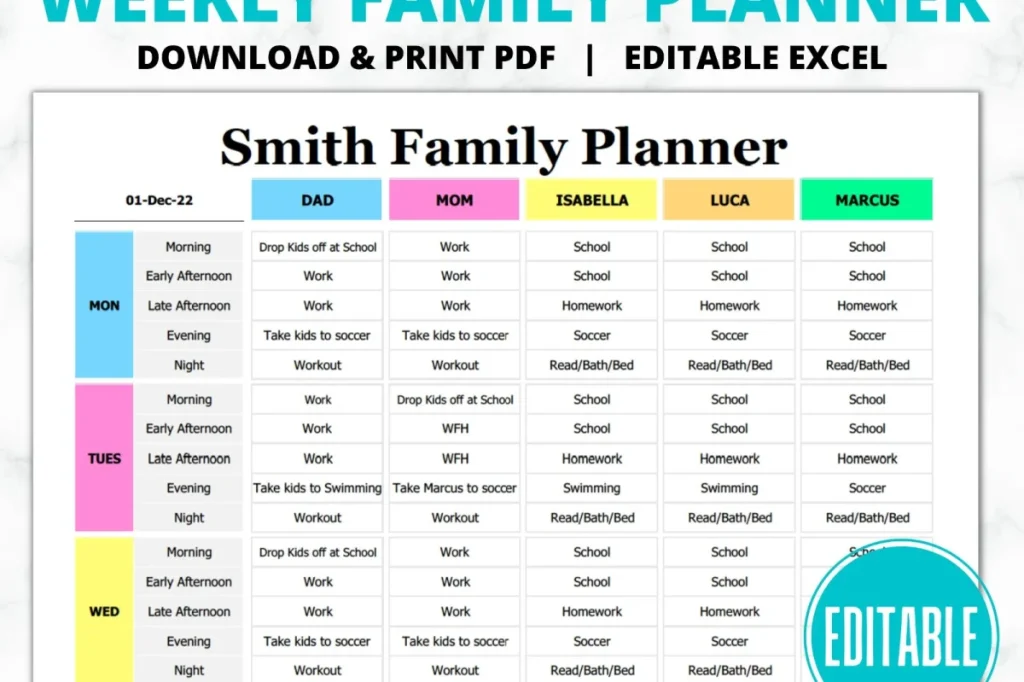
Between school runs, chores, and everyone’s different activities, AI can hold the whole week in view and help divide tasks fairly, instead of one person mentally juggling it all.
Quick Facts:
- AI can build fair reward systems for household chores, split responsibly between family members based on age and ability
- It can also generate packing lists, activity ideas, and simple schedules based on weather, activities, and trip length
Try This Prompt:
I have two kids (ages 8 and 12) and a household with shared chores. Suggest a weekly chore chart that’s age-appropriate and fair, plus a simple reward system to keep them motivated.
9. Smart Shopping Research
Before spending money on anything from a robot vacuum to a new mattress, AI can pull together a structured comparison in under a minute — something that would normally take 30+ minutes of reading scattered reviews.

Quick Facts:
- AI-powered research tools can compare specific products by suction power, battery life, features, and common complaints pulled from real user reviews
- This is different from budgeting (point #3), it’s about deciding what to buy, not tracking what you’ve already spent
Try This Prompt:
Compare the top 3 robot vacuums under $400 in 2026. Include suction power, battery life, app features, and common complaints from user reviews, and tell me which one is the best value.
10. Creative Projects & Home Design
For the fun, low-stakes side of AI at home, redesigning a room from a single photo, editing family photos, or generating a birthday card message, this is where AI feels more like a creative partner than a tool.

Quick Facts:
- Newer AI room-design tools work from a single photo of your real room, keeping your actual walls, windows, and layout, then matching the redesign to furniture you can actually buy
- AI photo tools can retouch images, correct lighting, and enhance colors automatically, often through simple batch processing across multiple images at once
Try This Prompt:
Here’s a photo of my living room [attach photo]. Suggest a modern, cozy redesign that keeps the existing layout, windows, and flooring, and list the general type of furniture and colors I’d need.
Why Use AI for These 10 Daily Home Tasks
Based on how households are actually using these tools in 2026, the categories that save the most real time are the quiet, background ones, smart home automation and household scheduling, simply because they run without you thinking about them at all, unlike tasks like shopping research or creative projects that still need your active input.
From my own take, the real unlock isn’t picking just one of these, it’s starting with a single daily habit (like meal planning or scheduling) and letting it become automatic before adding the next one. Most people who try this find that within a month, they genuinely can’t remember how they managed the same tasks without it.
If you can only start with one category from this list, begin with Smart Home Automation (#1) or Meal Planning (#2), both are low-effort, immediately noticeable in daily life, and don’t require sharing any sensitive personal data, making them the safest and most rewarding entry point into using AI at home.