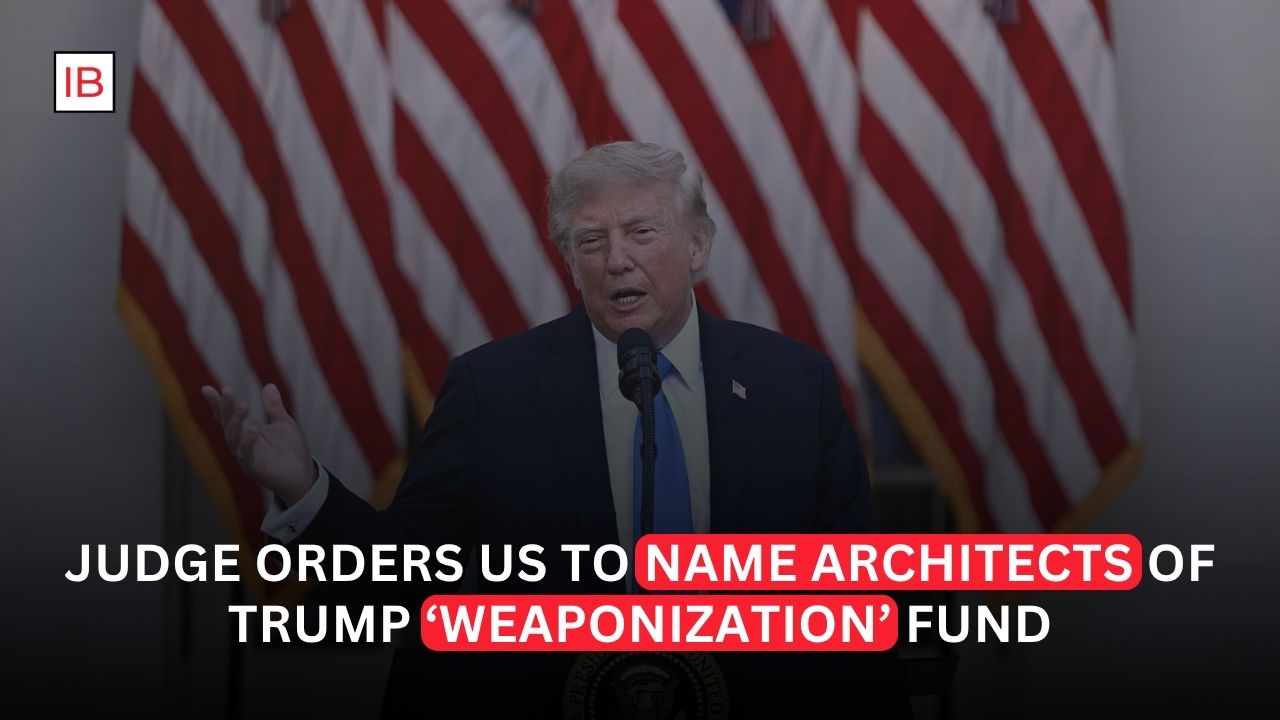
Federal Court Demands Names of Officials Involved in Creating Controversial Government Funding Program. A federal judge has ordered the Trump administration to identify the officials involved in designing a controversial government fund that critics have described as a potential tool for the political “weaponization” of federal power.
The court order increases pressure on the administration as legal challenges continue over the fund, its purpose and the process used to create it. The judge is seeking greater transparency about who developed the program and what role government officials played in shaping its structure.
Court Demands More Transparency
The dispute centers on a fund created under the Trump administration that has drawn scrutiny from critics and legal opponents.
Opponents argue that the program could allow federal resources to be directed in ways that undermine political neutrality. The administration, however, has defended its authority to establish and manage the fund.
The judge’s latest order requires the government to provide additional information about the people responsible for developing the initiative, potentially opening the door to closer scrutiny of internal decision-making.
Legal Challenge Focuses on Government Authority
The case raises broader questions about the limits of executive power and the ability of an administration to create funding mechanisms that critics believe could be used for political purposes.
Legal challenges have increasingly focused on whether the government followed the proper procedures and whether the fund has a legitimate basis under existing law.
The administration is expected to argue that the program falls within its legal authority, while opponents are likely to use the court’s demand for information to examine how and why the fund was created.
Trump Administration Faces Growing Scrutiny
The controversy comes as President Donald Trump’s administration continues to face legal challenges over efforts to reshape federal agencies and government spending.
Critics have accused the administration of attempting to expand presidential control over institutions that have traditionally operated with a degree of independence.
Supporters argue that Trump was elected with a mandate to reform the federal government and ensure that executive agencies follow the policy direction set by the White House.
The dispute over the so-called “weaponization” fund has now become another major test of the administration’s efforts to reorganize government authority.
Officials Behind the Fund Could Face Questions
Identifying the people involved in designing the fund could have important consequences for the legal case.
Once the officials are named, lawyers challenging the program may seek additional documents or testimony regarding discussions that led to its creation.
The information could help determine whether the fund was designed primarily for legitimate government purposes or whether political considerations played a role in its development.
The court’s order does not itself determine that the program is unlawful, but it signals that the judge believes more information is needed before key legal questions can be resolved.
Case Could Have Wider Implications
The outcome could have consequences beyond the specific fund at the center of the dispute.
A ruling limiting the government’s ability to establish similar funding mechanisms could affect future administrations and set new boundaries on executive control over federal spending.
On the other hand, a decision in favor of the Trump administration could strengthen the ability of presidents to create and direct programs within existing executive authority.
Legal Battle Continues
The government must now comply with the judge’s order and provide the requested information as the legal challenge moves forward.
Further hearings are expected as both sides continue to argue over the legality and purpose of the fund.
For now, the case has increased pressure on the Trump administration to explain who was responsible for creating the controversial program and how decisions were made behind the scenes.
The judge’s demand for the names of those involved represents a new stage in a broader legal fight over transparency, federal spending and the limits of presidential power.