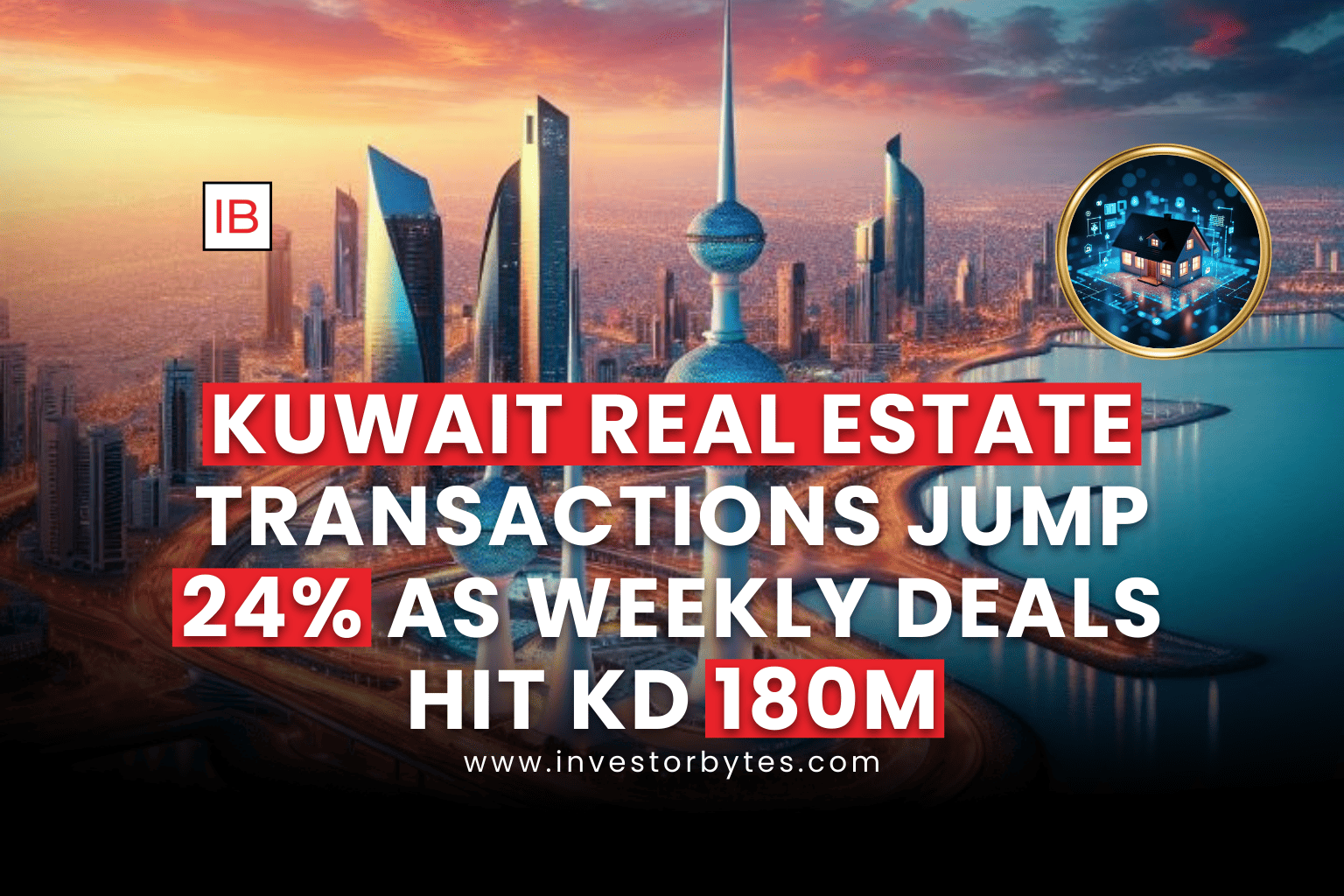
In mid-February 2026, the Kuwaiti real estate market achieved a historic milestone, with weekly transaction values surging to KD 180 million—a 125% increase compared to previous averages. This momentum follows a record-breaking 2025, where total property sales reached KD 4.4 billion ($14.3 billion), the highest in over two decades of available data.
The current surge is primarily attributed to a massive shift in investor behavior following the full implementation of the Residential Land Monopoly Law in January 2026, which has incentivized the development and sale of high-value urban plots.
Sector Breakdown: Weekly Performance
While the total value was bolstered by large-scale commercial acquisitions, the volume of activity remains anchored by the residential sector.
Commercial Sector: Although typically the most volatile, this segment led the value surge in early February. High-ticket deals in Kuwait City and Al-Farwaniya, including significant land sales and commercial building acquisitions, drove the 125% increase in total value.
Residential Sector: Accounting for 70% of total transaction volume, residential deals saw a 24% year-on-year jump. Activity was concentrated in newly developed areas like Sabah Al-Ahmad Marine City, where buyers are increasingly targeting residential plots.
Investment Sector: This segment continues to attract liquidity as investors seek income-generating assets. Reports indicate that interest in apartment buildings and diversified portfolios remains a primary driver of the increase in deal count.
Key Market Drivers for 2026
Several legislative and economic factors are converging to create a high-confidence environment for property investors in Kuwait.
Anti-Speculation Laws: The enforcement of the land monopoly law has successfully curbed speculative land holding, forcing dormant plots onto the market and increasing supply for genuine housing needs.
Foreign Ownership Reforms: Legislative changes enacted in mid-2025 now allow foreign shareholders, licensed funds, and investment portfolios to own property (excluding private residences). This has unlocked a new tier of institutional capital.
Monetary Easing: Potential further interest rate cuts by the Central Bank of Kuwait (CBK), following global trends, have improved borrowing conditions for both residential mortgages and commercial development loans.