Escalating Military Tensions Disrupt One of the World’s Most Critical Energy Routes, Raising Concerns Over Global Oil Supplies
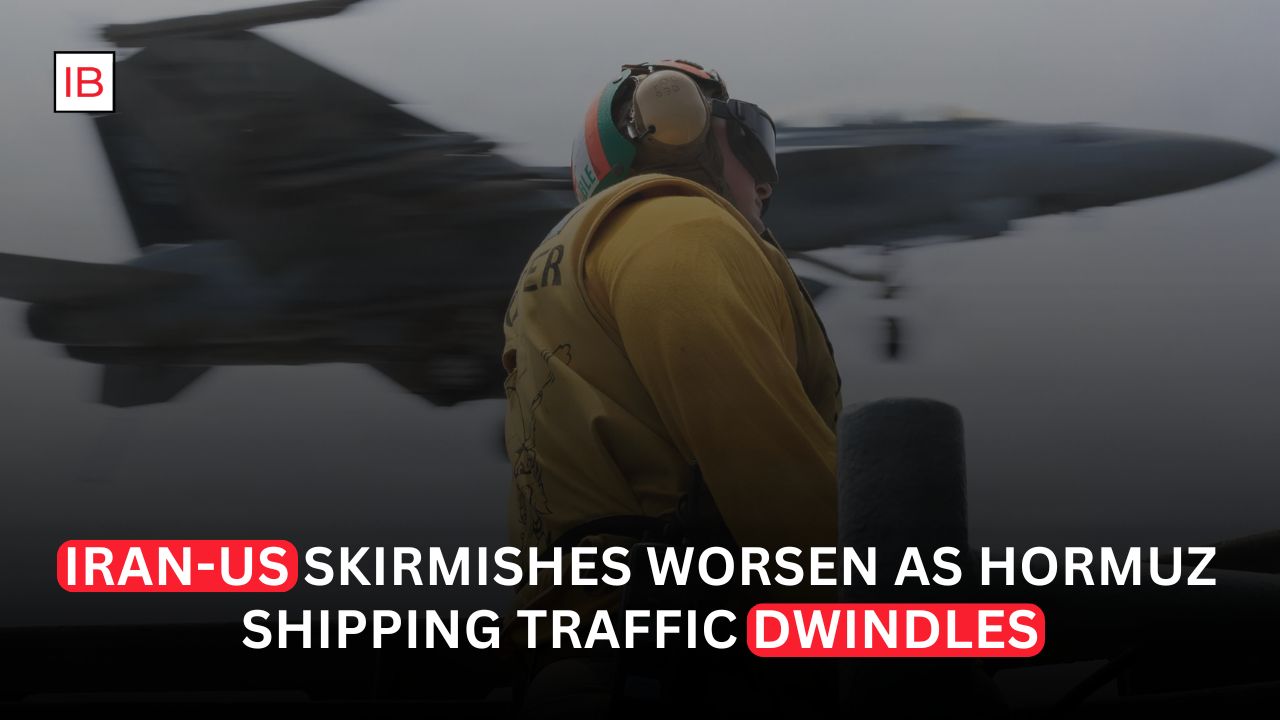
Military tensions between Iran and the United States have intensified, leading to a further decline in commercial shipping through the Strait of Hormuz, one of the world’s most strategically important maritime corridors. The renewed exchanges have heightened concerns over global energy security, international trade, and the stability of oil markets as shipping companies reassess the risks of operating in the region.
The Strait of Hormuz serves as the primary transit route for roughly one-fifth of the world’s oil and a significant share of global liquefied natural gas (LNG) exports. Any disruption to traffic through the narrow waterway has the potential to affect energy prices, supply chains, and economic activity worldwide.
Military Tensions Continue to Escalate
The latest clashes mark another escalation in the ongoing confrontation between Washington and Tehran.
Recent developments include:
- Continued military exchanges between US and Iranian forces.
- Increased security concerns across the Gulf region.
- Heightened naval activity near key shipping lanes.
- Rising fears of further regional escalation.
- Growing uncertainty for international commercial shipping.
Officials from both sides have continued to exchange warnings, while regional allies remain on heightened alert.
Shipping Traffic Falls Sharply
Commercial shipping companies have become increasingly cautious as security risks grow.
Industry participants report:
- Fewer vessels transiting the Strait of Hormuz.
- Some operators delaying departures.
- Higher insurance premiums for ships entering the region.
- Increased operational costs for shipping companies.
- Alternative routing being considered where possible.
Maritime analysts say uncertainty surrounding security conditions has become one of the biggest challenges facing global shipping companies.
Energy Markets Closely Monitor Developments
The Strait of Hormuz remains a vital artery for global energy exports.
Products transported through the waterway include:
- Crude oil
- Refined petroleum products
- Liquefied natural gas (LNG)
- Petrochemicals
Any prolonged disruption could tighten global energy supplies and increase volatility in oil and gas markets, particularly for countries heavily dependent on Gulf energy exports.
Governments Urge Stability
Governments and international organizations continue calling for restraint to prevent further escalation.
Diplomatic efforts are focused on:
- Reducing military tensions.
- Protecting freedom of navigation.
- Ensuring the safety of commercial shipping.
- Preventing wider regional conflict.
- Maintaining stable global energy supplies.
Several countries have also increased monitoring of maritime security in the Gulf.
Economic Risks Continue to Grow
Analysts warn that prolonged instability could have broader economic consequences beyond the energy sector.
Potential impacts include:
- Higher global oil prices.
- Rising transportation costs.
- Increased inflationary pressures.
- Supply chain disruptions.
- Greater uncertainty in financial markets.
Businesses dependent on international shipping are closely watching developments as they assess potential risks to operations and logistics.
Looking Ahead
The worsening confrontation between Iran and the United States is adding fresh uncertainty to one of the world’s most important energy corridors. As commercial shipping through the Strait of Hormuz continues to decline, governments, energy producers, and global markets are monitoring the situation closely.
The coming days will be critical in determining whether diplomatic efforts can ease tensions or whether continued military exchanges will further disrupt maritime trade and global energy supplies. Any prolonged instability in the region could have significant implications for oil markets, international commerce, and the broader global economy.