Organized Criminals Are Turning Railroads Into a Lucrative Target as Cargo Theft Grows More Sophisticated
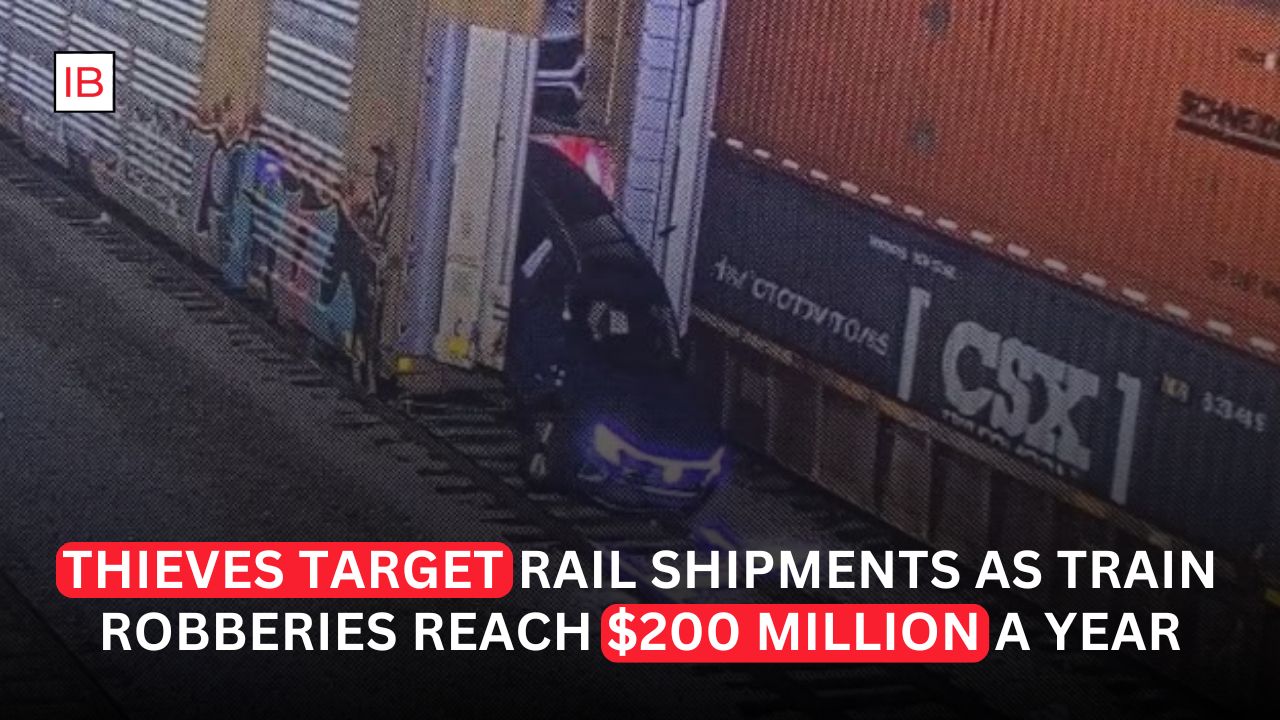
Cargo theft from US freight railroads has become a major and increasingly organized problem, with preliminary industry data showing more than $200 million in losses during 2025 as criminals target valuable merchandise moving through the country’s rail network.
The scale of the losses highlights an uncomfortable reality for America’s supply chain: even as railroads invest in cameras, tracking technology and other security measures, organized thieves continue to find ways to identify valuable shipments and remove their contents.
The Association of American Railroads says preliminary data from major US railroads recorded more than 75,000 theft incidents in 2025, with reported losses exceeding $200 million. The figure represents an increase of more than 50% from the previous year, although differences in reporting practices make direct year-to-year comparisons difficult.
Freight Trains Have Become Attractive Targets
Modern train theft looks very different from the famous robberies of America’s Old West.
Today’s criminals are generally not searching for cash.
Instead, they target commercial shipments that can be resold quickly, including electronics, clothing, footwear, metals and other high-value consumer goods.
The value of individual shipments can be enormous.
In one series of thefts involving BNSF trains traveling through California and Arizona, criminals stole more than $2 million worth of Nike sneakers, including shoes that had not yet reached the retail market.
The incidents demonstrate why freight trains can be attractive to organized criminal groups.
A single train can carry hundreds of containers, while many rail routes pass through remote areas or locations where trains must slow down.
Organized Crime Is Driving the Problem
The increase in theft is not simply a collection of opportunistic burglaries.
Industry experts increasingly describe sophisticated criminal networks that identify valuable shipments, monitor their movements and coordinate thefts.
Some groups appear to have detailed knowledge of railroad operations.
They can determine where trains slow down, which routes carry valuable products and where containers can be accessed without immediate detection.
That knowledge can turn an ordinary freight route into a predictable target.
The problem has also expanded beyond railroads.
Cargo theft across the broader US transportation system has become increasingly sophisticated, with criminals using fraudulent identities, compromised trucking companies and other methods to intercept valuable shipments.
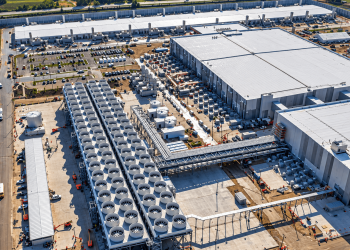
Recent reporting has shown that high-value AI equipment has become a particularly attractive target as construction of data centers accelerates.
Los Angeles Became a Symbol of the Problem
The Los Angeles region has become one of the most visible examples of modern rail cargo theft.
Freight trains carrying goods from major ports pass through heavily populated areas before continuing toward distribution centers across the country.
That creates opportunities for criminals to access trains and quickly move stolen merchandise.
In 2021, a particularly severe wave of thefts left thousands of discarded packages scattered alongside tracks in Los Angeles.
Criminals would open shipping containers, remove valuable items and leave unwanted merchandise behind.
The scale became so serious that local authorities established specialized efforts to combat train burglaries.
Why Railroads Are Vulnerable
Freight railroads operate enormous networks covering thousands of miles.
That makes it impossible to protect every section of track equally.
Trains also have to pass through areas where they slow down, stop or wait for other traffic.
Those moments can create opportunities for criminals.
Remote locations can make surveillance more difficult, while the sheer number of containers moving through the network makes it challenging to determine exactly which shipments are being targeted.
Railroads have responded with cameras, patrols, tracking systems and other security measures.
But thieves continue to adapt.
The Goods Are Becoming More Valuable
One of the most important changes in cargo theft is the increasing value of the merchandise being targeted.
The growth of e-commerce created enormous volumes of consumer goods moving through warehouses, trucks and rail networks.
More recently, the artificial-intelligence boom has created another lucrative category.
Servers, networking equipment, computer chips and cooling systems used in data centers can be worth millions of dollars while being relatively compact compared with traditional industrial cargo.
That creates an attractive target for criminals.
Recent cargo-theft data showed that although the number of reported thefts declined in one recent quarter, the value of goods stolen more than doubled, suggesting criminals are increasingly concentrating on expensive shipments.
AI Hardware Is the New Prize
The explosion in spending on AI data centers has created a new category of valuable cargo.
Technology companies and data-center operators are transporting enormous quantities of servers, switches, processors and cooling equipment across the country.
Those products can be worth hundreds of thousands or millions of dollars in a single shipment.
That has attracted increasingly sophisticated criminal organizations.
WIRED recently reported that thieves targeting AI hardware have used elaborate tactics, including attacks designed to disable security escorts protecting high-value shipments.
The trend illustrates how cargo crime is evolving alongside the US economy.
As valuable new technologies move through supply chains, criminals are adjusting their targets accordingly.
Tracking Technology Is Not a Complete Solution
Railroads and shipping companies have invested heavily in technology designed to prevent theft.
GPS tracking, surveillance cameras, electronic seals and other monitoring systems can make it easier to identify when cargo has been diverted.
But criminals can sometimes disable or manipulate tracking systems.
In the broader trucking industry, fraudsters have even used legitimate transportation-company identities to make stolen shipments appear to be moving through legitimate carriers.
That means technology alone cannot solve the problem.
Security also depends on information sharing between railroads, manufacturers, logistics companies, police departments and federal agencies.
Stolen Goods Can Be Difficult to Recover
Once merchandise has been removed from a train, recovering it becomes considerably harder.
Criminals can quickly move stolen products through warehouses, resale markets or online platforms.
Some goods can be broken down into smaller shipments.
Others can be transported across state or international borders.
This makes investigations difficult, particularly when multiple jurisdictions are involved.
Authorities may know where a theft occurred without knowing who organized it or where the merchandise ultimately went.
The Cost Goes Beyond the Stolen Merchandise
The more than $200 million in reported losses does not capture the full economic impact of rail cargo theft.
Companies can also face higher insurance costs, additional security expenses and delays.
Railroads may have to increase patrols or install additional surveillance equipment.
Manufacturers and retailers can lose sales when inventory disappears.
Consumers can ultimately face higher costs if businesses pass increased security and insurance expenses through the supply chain.
The disruption can also create uncertainty for companies that depend on predictable delivery schedules.
Railroads Are Under Pressure to Improve Security
The growing scale of theft is putting pressure on railroads to improve coordination and security.
Industry groups are calling for stronger cooperation with law enforcement and greater attention to organized cargo crime.
The challenge is finding the right balance.
Freight railroads need to remain efficient.
They cannot treat every shipment as a high-security operation because doing so would dramatically increase transportation costs.
Instead, companies are increasingly focusing security resources on shipments that are particularly attractive to thieves.
A New Kind of Train Robbery
The phrase “train robbery” may evoke images of masked bandits in the American West.
But the modern version is much more closely connected to organized supply-chain crime.
The targets are not passengers or gold shipments.
They are products moving through the global economy.
That includes everything from sneakers and electronics to industrial materials and AI infrastructure.
The criminals may use surveillance, stolen identities, insider information and sophisticated logistics rather than horses and firearms.
The objective, however, remains similar: intercept valuable goods before they reach their destination.
Looking Ahead
The more than $200 million in reported annual losses show that cargo theft has become a serious problem for America’s rail industry.
With more than 75,000 theft incidents recorded by major railroads in preliminary 2025 data, the scale of the problem is difficult to dismiss as isolated criminal activity.
The rise of organized theft networks is particularly concerning.
Criminals are increasingly capable of identifying valuable shipments and exploiting weaknesses in enormous transportation networks.
The growing value of technology cargo adds another dimension.
AI data centers require billions of dollars worth of specialized equipment, and some of that equipment is now moving through the same supply chains that criminals already target.
That means the economic value of future cargo theft could rise even if the number of incidents does not.
The challenge for railroads is therefore not simply to prevent more thefts.
They must determine how to protect the most valuable shipments without making America’s freight system prohibitively expensive.
Better tracking technology will remain important.
So will cameras, security personnel and cooperation with law enforcement.
But technology will only be effective if companies also improve information sharing and identify organized criminal networks behind repeated thefts.
The problem is also part of a much larger transformation in cargo crime.
As America’s economy becomes increasingly dependent on high-value technology, sophisticated electronics and complex supply chains, criminals have more valuable targets than ever before.
The recent targeting of AI hardware demonstrates how quickly thieves can adapt to new opportunities.
For railroads, that means security strategies will have to evolve just as quickly.
America’s freight trains remain essential to the national economy, carrying enormous quantities of goods across the country every day. Protecting those shipments is becoming an increasingly important part of protecting the broader supply chain.
The era of the classic Wild West train robbery may be long gone.
But modern train thieves are proving that the crime itself has not disappeared—it has simply become more organized, more technologically sophisticated and potentially far more expensive.