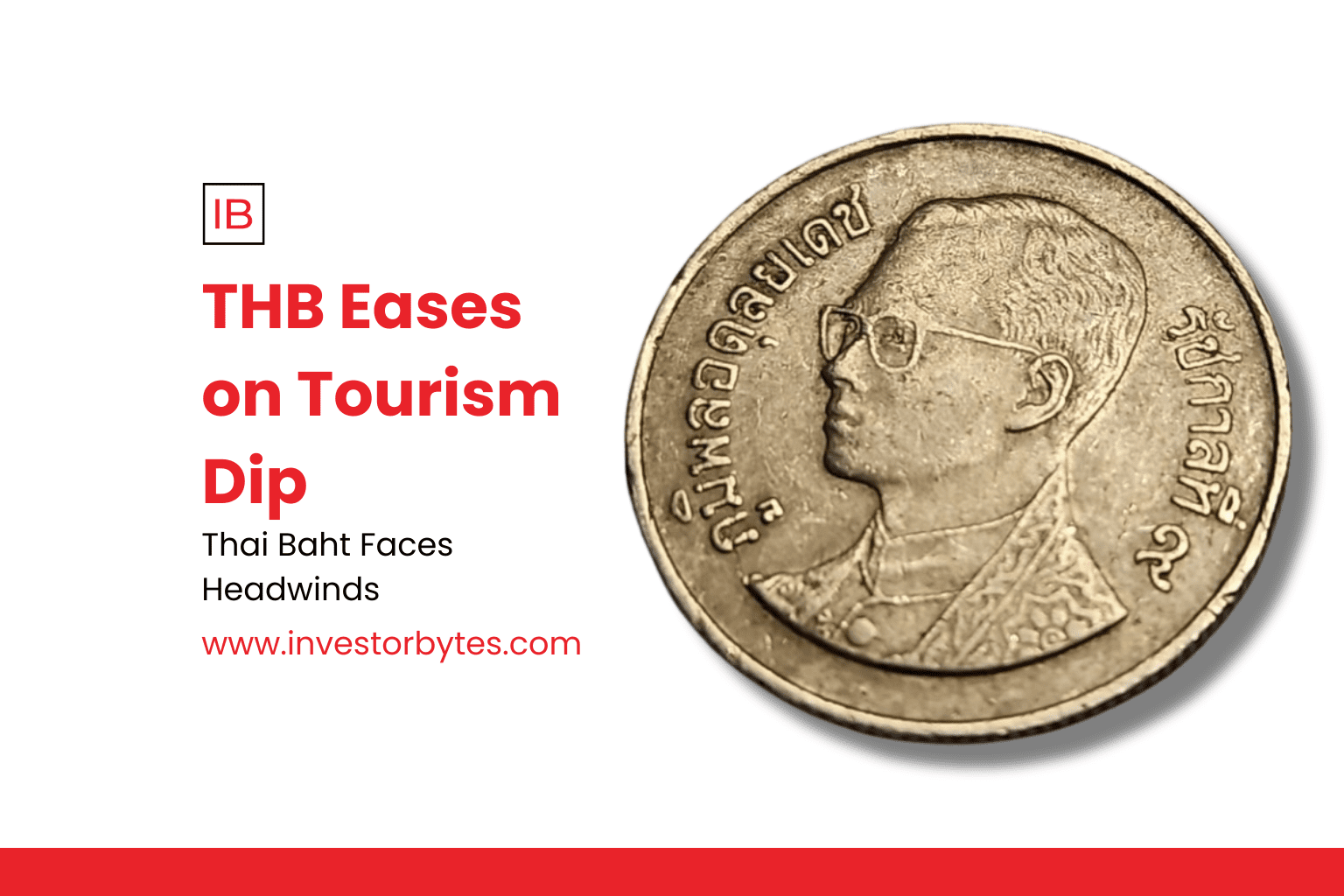
The Thai baht has softened perceptibly, depreciating 0.9% against the US dollar to around 32.11 amid a tourism trough, with foreign arrivals dipping 7.18% year-to-date to 28.28 million through mid-November despite 1.31 trillion baht revenues, pressured by Chinese safety scares and ASEAN slowdowns recovering only 91% to pre-pandemic norms. This ebb, with USD/THB at 32.22, mirrors the Bank of Thailand (BOT)’s accommodative 1.50% policy rate—held steady post-four cuts—trimming 2025 GDP to 2.2% on US tariffs and negative CPI at -0.1%, yet eyeing further easing to counter export drags comprising 60% of GDP. With reserves at $220 billion, THB’s slide aids competitiveness amid 50% US duties, though structural tourism reliance—12% GDP—exposes vulnerabilities in a high-season falter.
Bangkok’s banking bastions are arbitraging the flux with agility. Bangkok Bank posted a 13% trading revenue jump to THB 45 billion in Q3, harnessing baht options amid 22% spikes in USD/THB volumes. Kasikornbank tallied 11% EM derivatives gains to THB 38 billion, exploiting tourism wobbles via volatility trades. These surges highlight Thailand’s financial fray as a dip transducer, where adaptive flows distill baht tremors into yield-bearing yields.
Tourism titans grapple with the arrivals’ ache. Thai Airways revealed a 26.5% EBIT margin in Q1 on 73% nine-month profit surge to THB 26.39 billion, yet baht easing eroded 4% from USD fares—70% revenues—prompting THB 10 billion hedging hikes for fleet growth to 150 by 2033. The dip shaved THB 50 billion from Q3 bookings, spurring SAF pacts with PTT. Energy giant PTT echoed with 3.8% revenue slip to THB 650 billion, baht weakness inflating 6% import bills on 40% crude—necessitating THB 15 billion forex overlays—though domestic refining buffers margins. Importers like CP Group forecast 2.2% agro savings, projecting THB 8 billion efficiencies via supplier shifts.
Forecasters anticipate THB’s leniency through Q1 2026, with USD/THB probing 32.50-33.00 as BOT cuts to 1.25% amid unemployment at 1.0% and remittances at THB 500 billion. TAT trims arrivals to 33 million on China drags—30% visitors—but wage controls at 2.5% underpin. Urge butterflies on TAT data, watchful for visa waivers sparking rebounds. A tourism thaw could firm, but headwinds herald hover.
Easing eddies encircle baht bastions, blending BOT benevolence with tourism tempests in an EM eddy. This dip recalibrates resort resilience while granting exporters tactical trims, probing perseverance in pause. Shrewd sentinels should array THB calendars, clinching a continuum where softness summons subtle surges.