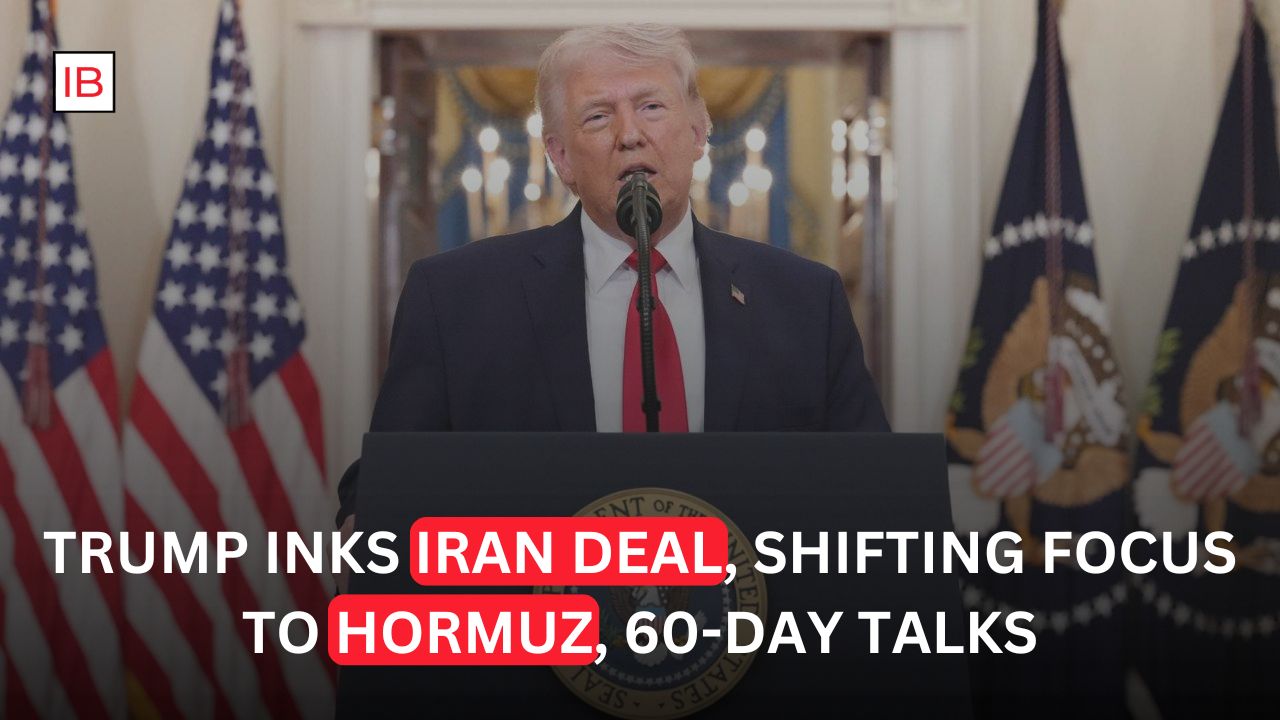
Peace Agreement Marks Start of New Negotiation Phase. President Donald Trump has formally signed an interim peace agreement with Iran, bringing an end to months of conflict and shifting attention toward the reopening of the Strait of Hormuz and a critical 60-day negotiation period focused on Tehran’s nuclear program.
The agreement, structured as a 14-point memorandum of understanding, extends the ceasefire between the two countries while creating a framework for future diplomatic talks. Although both Washington and Tehran have described the deal as a victory, several major issues remain unresolved and will be addressed during the next round of negotiations.
Strait of Hormuz Becomes Immediate Priority
One of the most important elements of the agreement is the reopening of the Strait of Hormuz, a vital shipping route that carries a significant share of the world’s oil and natural gas supplies.
Under the deal, efforts are expected to focus on restoring safe maritime traffic through the waterway within the coming weeks. Energy markets have welcomed the development, with oil prices falling as traders anticipate the return of normal supply flows.
Industry experts caution that while the agreement provides a pathway toward reopening the strait, shipping companies will continue monitoring security conditions, insurance costs and operational risks before fully resuming normal activity.
Nuclear Program Talks Set for Next Phase
The agreement does not provide a final resolution to concerns surrounding Iran’s nuclear activities. Instead, it establishes a 60-day negotiation period during which both sides will attempt to reach a broader and more detailed settlement.
US officials say the goal remains preventing Iran from developing a nuclear weapon, while Iranian leaders have emphasized their right to maintain a civilian nuclear program. The upcoming talks are expected to address uranium enrichment, inspections and long-term monitoring arrangements.
Diplomats have described the next two months as the most challenging phase of the process, with several sensitive issues still requiring agreement.
Economic Relief Expected for Iran
The framework is also expected to provide economic incentives for Iran as part of the broader peace effort. Reports indicate that sanctions relief, renewed oil exports and access to development funding could be available if Tehran complies with the conditions outlined in the agreement.
Supporters argue that economic benefits are necessary to encourage long-term cooperation, while critics contend that the concessions may reduce pressure on Iran before a permanent agreement is reached.
Global Markets Respond Positively
Financial markets reacted positively to news of the agreement. Oil prices declined to their lowest levels in months as concerns over supply disruptions eased and investors anticipated increased energy exports from the region.
Analysts say the reopening of Hormuz could help stabilize energy markets and reduce inflationary pressures that emerged during the conflict. However, much will depend on whether both sides honor their commitments during the implementation phase.
Next 60 Days Will Determine Success
While the signing represents a significant diplomatic breakthrough, officials on both sides acknowledge that the agreement is only an interim framework rather than a final peace settlement.
The coming 60 days are expected to determine whether Washington and Tehran can transform the ceasefire into a lasting agreement addressing nuclear concerns, regional security and economic cooperation. Failure to make progress could risk renewed tensions and uncertainty in global energy markets.
For now, the focus has shifted from military confrontation to diplomacy, with governments, investors and energy markets closely watching the next stage of negotiations.