The United States has struck three Iranian crude-oil tankers after the IRGC targeted two US Navy vessels, escalating tensions around the Persian Gulf and raising fresh concerns over global energy supplies.
US Retaliates After Attacks on Navy Ships
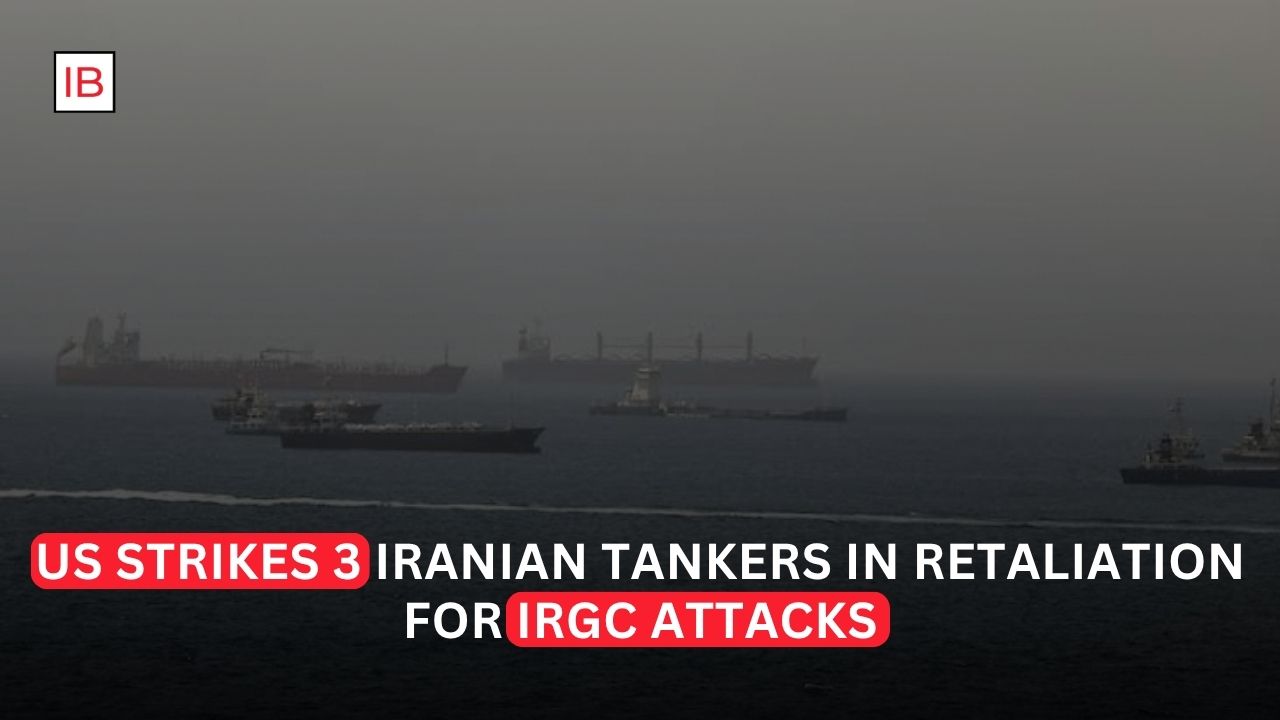
US Central Command said American forces struck three Iranian oil tankers on September 5 after Iran’s Islamic Revolutionary Guard Corps launched ballistic missiles toward two US Navy ships operating in regional waters.
The US military said the American vessels, including an aircraft carrier and a guided-missile destroyer, evaded multiple attacks and that no US personnel were injured. The strikes were presented as a direct response intended to impose a greater economic cost on Iran.
Three Iranian Tankers Targeted
According to CENTCOM, two Iranian crude carriers were permanently disabled, while a third tanker that was not carrying a cargo was destroyed. The vessels were targeted in locations including near Kharg Island, Iran’s major oil-export hub, and near Jask.
US officials said the tankers were connected to a shadow network that helps finance Iran’s Revolutionary Guard and allied armed groups in the region. Iranian media, meanwhile, reported that one tanker was struck near Kharg Island and that its crew was being evacuated, with no casualties initially reported.
Iran Warns of Stronger Retaliation
Iran has warned that continued attacks on its shipping and what it describes as a US naval blockade could trigger more severe attacks against American military vessels.
The Iranian military said its response could expand if US pressure on Iranian ships continues, raising the prospect of another cycle of attacks across the Gulf.
Kharg Island Becomes a Major Flashpoint
The location of one of the attacks is particularly significant. Kharg Island handles the overwhelming majority of Iran’s crude exports and has become a central pressure point in the confrontation between Washington and Tehran.
US President Donald Trump has previously threatened action against Kharg, while Washington has sought to restrict Iran’s ability to use its oil exports to finance the war. Any sustained disruption around the island could therefore have consequences beyond the immediate military confrontation.
Strait of Hormuz Under Growing Pressure
The latest strikes come as the security situation around the Strait of Hormuz deteriorates. The waterway is critical to international energy markets, and the conflict has already disrupted commercial shipping and Iranian oil exports.
Brent crude settled at about $96.28 a barrel on Friday, its highest level since late July, as traders assessed the risk that renewed fighting could further restrict regional energy supplies.
Risk of a Wider Regional Escalation
The exchange marks another sharp escalation after a period of relative calm between the United States and Iran. Earlier attacks this week had already raised concerns that the conflict could spread across shipping lanes and military facilities throughout the region.
Washington has now warned that it could take further action against Iran’s oil fleet if attacks on US forces continue. That threat creates a potentially dangerous link between military strikes and energy infrastructure, increasing the stakes for both Tehran and global markets.
What Happens Next
The immediate focus will be on Iran’s response and whether additional attacks are launched against US forces or commercial shipping. Any renewed disruption around the Strait of Hormuz could quickly affect oil prices, shipping costs and energy markets worldwide.
The latest confrontation also raises questions about whether Washington and Tehran can return to negotiations after the collapse of recent diplomatic efforts. For now, the destruction of three Iranian tankers signals a more aggressive US approach toward Iran’s maritime and economic capabilities.