In mid-February 2026, the global expansion of AI data centers has transitioned from a technical “gold rush” to a significant urban planning and regulatory challenge. As massive “AI factories” move into residential and suburban vicinities, the physical footprint of the digital world is sparking a new era of industrial-community friction.
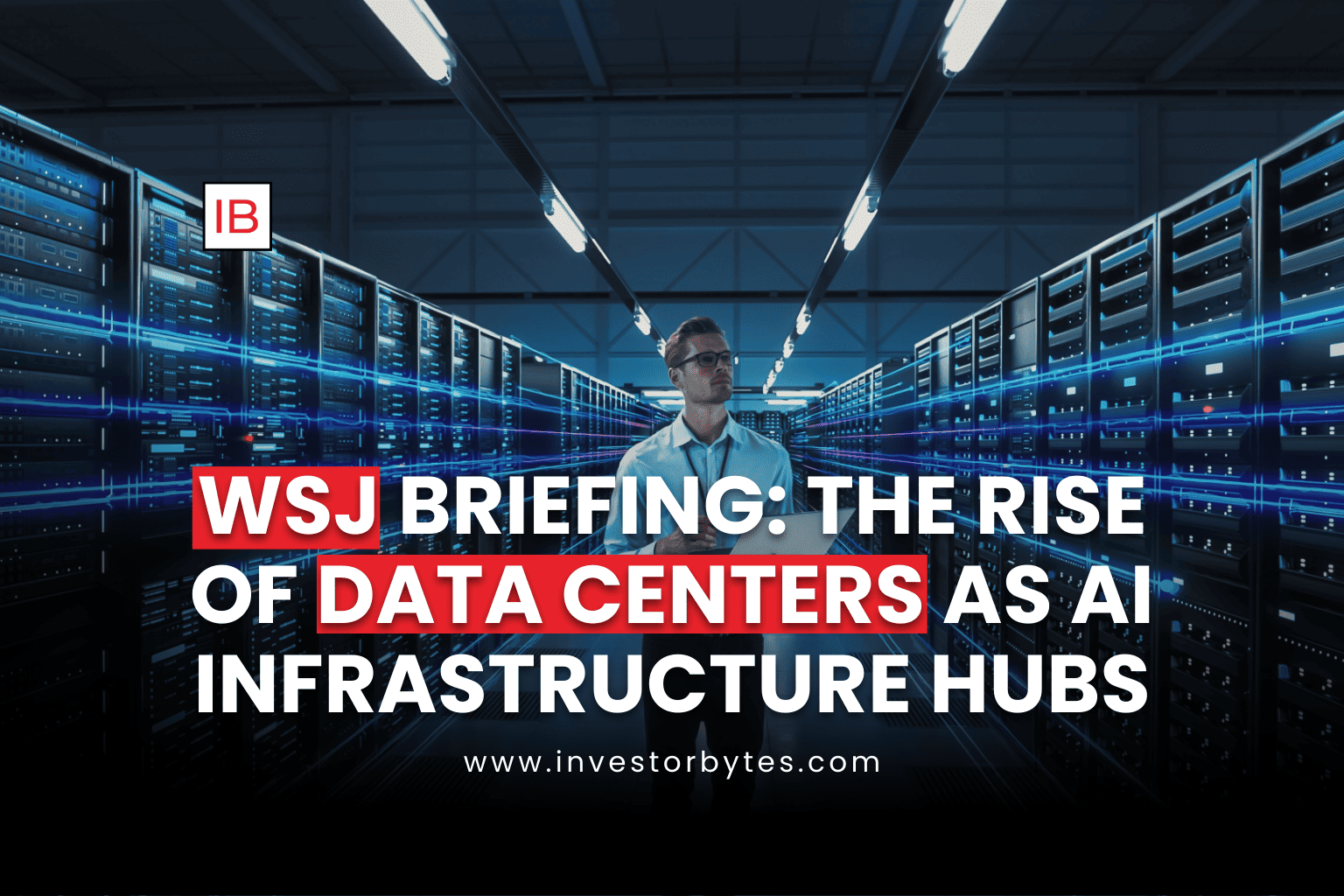
A series of reports in February 2026, including a major briefing by the Wall Street Journal, highlights that data centers are no longer just “warehouses for servers” but are now the most power-hungry industrial neighbors in modern history.
The “Industrial Neighbor” Shift
The rapid deployment of Liquid Cooling and Modular Designs in early 2026 has allowed data centers to be built closer to urban centers to reduce latency for AI inference. However, this proximity has brought three primary challenges to the forefront:
The Energy Gap: A typical large AI data center now consumes as much electricity as 100,000 households. In regions like Northern Virginia, data centers accounted for 26% of all electricity consumption by early 2026.
Acoustic Pollution: The immense cooling systems required for high-density AI racks generate a constant, low-frequency hum. This has led to local protests and new “Noise Ordinances” in cities like Aurora, Illinois, and Naperville, where residents successfully blocked new developments.
Hydrological Stress: Data centers can consume up to 5 million gallons of water per day for cooling. With global “water bankruptcy” concerns rising in 2026, communities are increasingly resistant to sharing limited freshwater resources with compute hubs.
The Regulatory Response: 2026 Trends
To maintain progress while appeasing local populations, several new strategic “pivots” have emerged this month:
| Strategy | Implementation | Objective |
| Brownfield Retrofitting | Converting old malls/warehouses. | Faster deployment with existing zoning and power access. |
| Heat Recovery | Redirecting waste heat to public pools/grids. | Turning “waste” into a community benefit to gain public favor. |
| On-Site Power | Behind-the-meter nuclear/SMR energy. | Bypassing strained local grids to avoid “utility bill spikes” for residents. |
| 180-Day Pauses | Local government “Zoning Moratoriums.” | Cities are pausing new builds until “Data Center” is legally defined as separate from “Warehouse.” |