Buying a flagship phone in 2026 isn’t just about picking the fastest chip anymore. The best devices this year are being judged on how smart they are, how long they last on a single charge, how smooth the software feels day to day, and how well they fit into the rest of your tech. Whether you care most about camera quality, raw speed, or a phone that can keep up with you for years without slowing down, this comparison breaks down the top flagship smartphones of 2026 so you can figure out which one actually fits your life.
This guide walks through the leading premium phones on the market right now, looking at their hardware, cameras, battery performance, AI features, and long-term software support, so you’re not left guessing which spec sheet actually matters.
Let’s dive into the article to understand more about the 2026 flagship smartphone comparison and how these devices stack up against each other.
2026 Flagship Smartphone Comparison
Every brand on this list is pushing flagship hardware to its limit, but each one is doing it differently. Some are chasing the best possible camera, others are optimizing for speed and gaming, and a few are betting everything on AI. Here’s how the top ten compare.
1. Apple iPhone 17 Pro Max
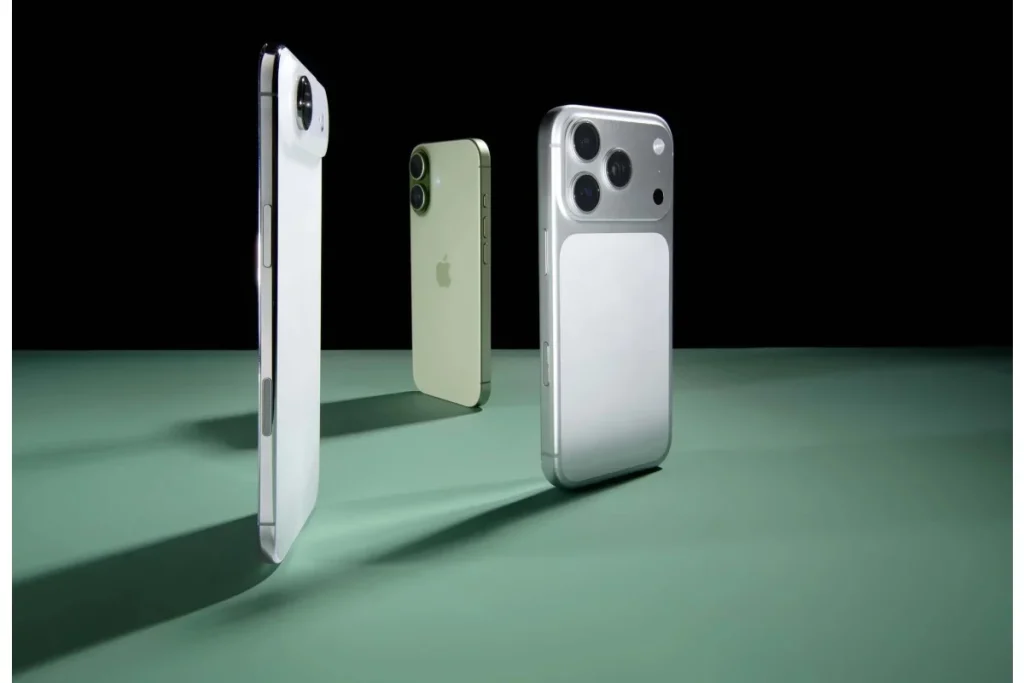
Apple’s latest Pro Max keeps its position at the top thanks to a rare combination of raw power, years of guaranteed software updates, a build quality that still feels a step above the competition, and video capture that few rivals can match.
- Key Specs: 6.9-inch OLED ProMotion (120Hz), Apple A20 Pro processor, and a Triple 48MP Pro Camera system.
- Display & Visibility: Uses an advanced Ceramic Shield 2 that offers double the scratch resistance of previous generations, hitting a blistering 3,000 nits peak brightness for perfect outdoor readability.
- AI Features: Apple Intelligence (Deeply integrated system-wide context and privacy-focused processing).
- Biometrics: Next-gen Face ID that works at wider angles and even when wearing sunglasses or face coverings.
- Battery & Lifespan: Comfortably lasts a full day of heavy streaming. Apple promises 80% battery health retention after 1,000 full charge cycles (roughly 4 years of daily use). No charger included in the box.
- Software Longevity: 6 to 7 years of guaranteed iOS upgrades.
- Price: Starts at $1,199
- Pros: Unmatched video stabilization, class-leading ecosystem integration, excellent resale value.
- Cons: Feels noticeably heavy, slow charging speeds compared to Android rivals, restrictive iOS customization.
2. Samsung Galaxy S26 Ultra

Samsung’s Ultra line continues to be the phone for people who want everything in one device. By trimming the chassis down to an ultra-sleek 7.9mm while maintaining a massive battery and introducing a new anti-reflective Privacy Display, it represents the pinnacle of premium mobile engineering.
- Key Specs: 6.9-inch Dynamic AMOLED with the Snapdragon 8 Elite Gen 2 chipset.
- Display & Visibility: Features a cutting-edge Anti-Reflective Privacy Display that cuts reflections by 85% and shifts polarized light so onlookers cannot read your screen from an angle. Hits 3,200 nits peak brightness.
- Camera: A massive 200MP main sensor paired with enhanced space zoom capabilities.
- AI Features: Galaxy AI (Real-time voice translation, live note summarization, and advanced object removal).
- Biometrics: Sonic3D Ultra Ultrasonic In-display fingerprint sensor that unlocks instantly even if your fingers are wet.
- Battery & Lifespan: 5,000mAh battery with 45W charging. Designed to last over 4 years (80% health at 1,200 cycles) using smart battery preservation software. No charger in the box.
- Software Longevity: 7 years of guaranteed Android OS and security updates.
- Price: Starts at $1,299
- Pros: Thinnest and lightest Ultra yet, unmatched multitasking tools, incredible display anti-glare tech.
- Cons: Most expensive mainstream flagship, minor camera shutter lag can still occur in low-light action shots.
3. Google Pixel 10 Pro
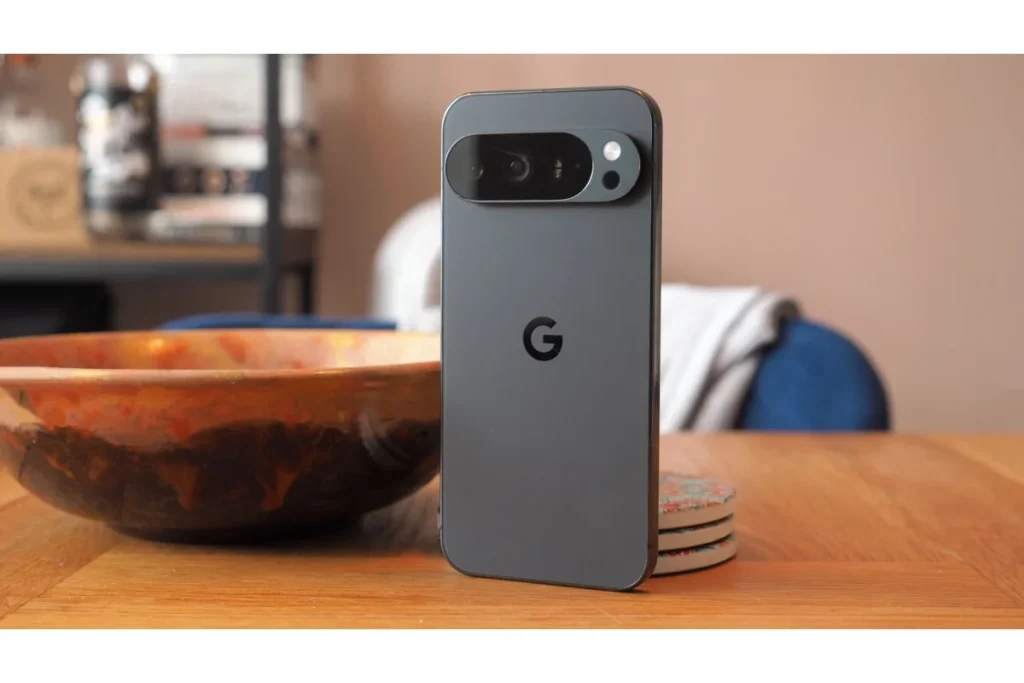
Google isn’t trying to out-spec anyone this year. Instead, it’s leaning hard into computational photography and local AI-driven software via the custom Tensor G6 chip. The result is one of the smartest, most predictive Android phones you can put in your pocket.
- Key Specs: Tensor G6 processor (optimized for cool thermal efficiency) and an industry-leading AI-powered triple camera system.
- Display & Visibility: Super Actua display that scales up to 3,100 nits under direct sunlight, paired with a flat-edge durable glass frame.
- Software & Longevity: Ships with Android 17, backed by 7 years of guaranteed OS, security, and exclusive Pixel Feature Drop updates.
- Biometrics: Fast ultrasonic under-display fingerprint reader and secure Face Unlock that meets banking app safety standards.
- Battery & Lifespan: Solid all-day battery. Supports 30W wired charging. Features adaptive charging algorithms that extend total cell lifespan over several years. No charger in the box.
- Price: Starts at $1,099
- Pros: Industry-leading AI features run locally, excellent point-and-shoot skin tone accuracy, comfortable form factor.
- Cons: Raw processing power lags behind Apple and Samsung in gaming benchmarks, slower charging speeds.
4. Xiaomi 16 Ultra
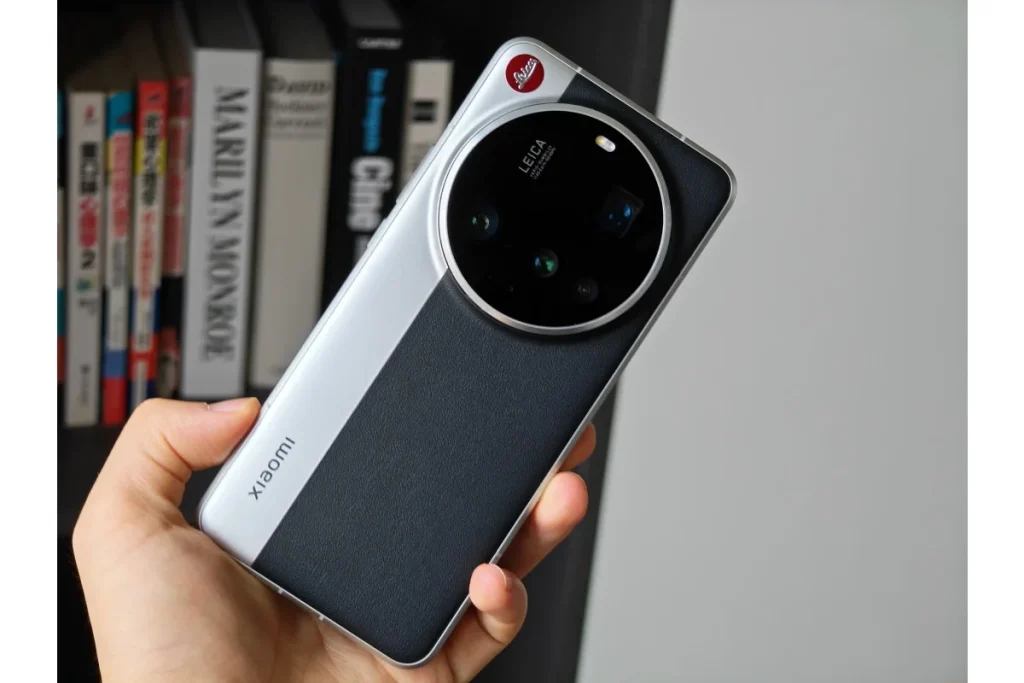
Xiaomi pairs Leica-tuned optics with top-tier hardware. By utilizing a massive 1-inch primary camera sensor with step-less variable aperture mechanics, it captures authentic, dramatic photos with natural depth of field that rivals much bulkier stand-alone cameras.
- Key Specs: Leica-engineered quad-camera system, Snapdragon 8 Elite Gen 2, and an ultra-bright AMOLED panel with 12-bit color depth.
- Display & Visibility: Custom Dragon Crystal Glass guard protecting a 3,500 nits peak panel that handles intense midday glare effortlessly.
- Biometrics: Large-area ultrasonic fingerprint scanner that works across a wider portion of the lower screen.
- Battery & Charging: Shines with 90W wired and 80W wireless fast charging. Includes the high-speed charging brick in the box. Battery tech uses silicon-anode materials to prevent degradation from rapid charging.
- Software Longevity: 4 years of major OS updates and 5 years of security patches.
- Price: Around $1,150 (Converted global pricing)
- Pros: Genuine DSLR-like photo texture, phenomenal hardware kit, fast charging out of the box.
- Cons: Heavy software skin (HyperOS) polarizes users, limited retail availability in certain Western regions.
5. OnePlus 15 Pro
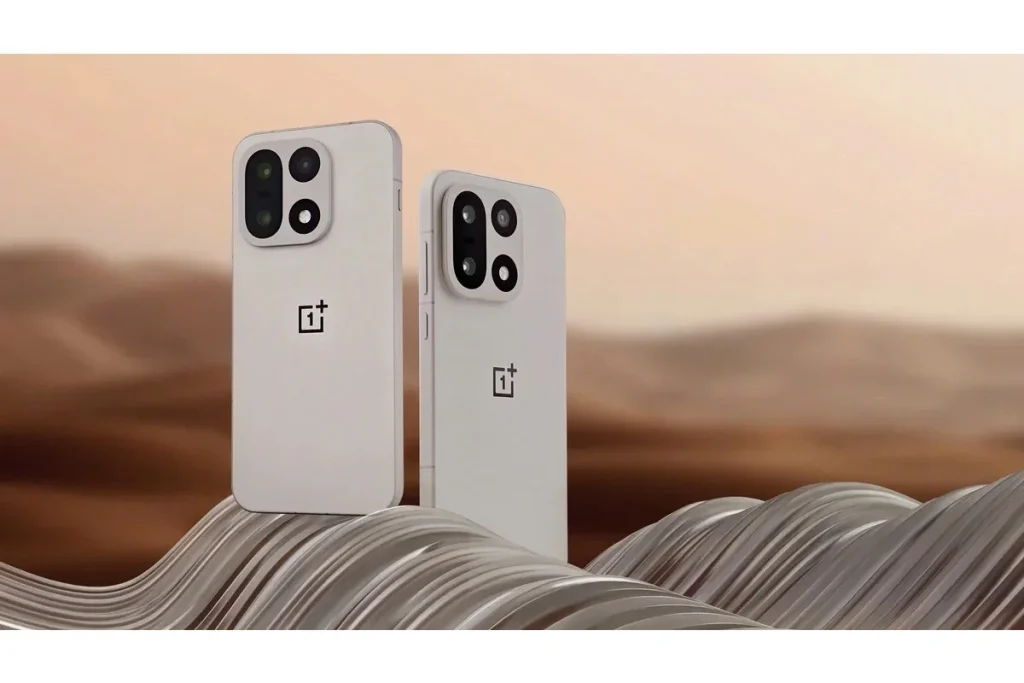
OnePlus has built its name on speed, and the 15 Pro doesn’t break that streak. Between a tightly optimized OS and hyper-fast charging tech that can top up your battery from zero to full in less than twenty minutes, this is the phone for people who hate waiting around a wall outlet.
- Key Specs: Snapdragon flagship premium chipset and a lightweight, ultra-fluid OxygenOS interface.
- Display & Visibility: 120Hz LTPO display hitting 2,800 nits, tuned aggressively for zero lag and fluid touch responses.
- Biometrics: Optical in-display fingerprint sensor that is highly reliable and blazing fast.
- Battery & Charging: Features a mind-boggling 120W SuperVOOC rapid fast charging with a 120W brick included in the box. Employs Battery Health Engine tech to guarantee 4 years of optimal health.
- Software Longevity: 4 years of major Android updates and 5 years of security support.
- Price: Starts at $899
- Pros: Incredible value for premium specs, astonishingly fast charging, exceptionally smooth UI.
- Cons: Camera zoom performance is weaker than Samsung or Oppo, lacks a distinctive design identity.
6. Honor Magic 8 Pro

Honor has quietly become a serious worldwide flagship contender. The Magic 8 Pro backs up its premium curved aesthetic with next-generation Silicon-Carbon battery technology, stuffing incredible capacity into a remarkably thin body without compromising safety.
- Key Specs: Snapdragon flagship processor, ergonomic glass-and-metal build, and AI-enhanced photography with predictive eye-tracking capture tools.
- Display & Visibility: Features industry-leading 4320Hz High-frequency PWM dimming, which actively eliminates hardware screen flicker to drastically reduce late-night eye strain. Peak brightness sits at 3,000 nits.
- Biometrics: Dual-sensor approach featuring both a secure 3D Face Unlock notch and an under-screen scanner.
- Battery & Lifespan: Massive high-density Silicon-Carbon battery built for reliable 2-day use. The chemical makeup inherently degrades much more slowly than traditional lithium-ion. 100W charger included in most global retail boxes.
- Software Longevity: 4 years of major OS upgrades.
- Price: Around $999 (Global market estimate)
- Pros: Outstanding multi-day battery life, excellent eye-comfort display technology, distinct look.
- Cons: Software update schedule can be slow, heavy reliance on aggressive AI processing for photos.
7. Oppo Find X9 Pro

Oppo’s Find X series has always pushed the boundaries of mobile glass, and the X9 Pro keeps that focus alive with a dual-periscope zoom design. This layout allows for crystal-clear telephoto shots at both short and extreme distances without relying heavily on digital cropping.
- Key Specs: Dual-periscope portrait and telephoto zoom system, a high-resolution QHD+ AMOLED panel, and on-device computational image restoration tools.
- Display & Visibility: Ultra-tough display glass covering a vibrant panel that scales up to 3,200 nits in outdoor environments.
- Biometrics: Fast, secure ultrasonic under-display fingerprint scanning.
- Battery & Charging: Armed with 100W SuperVOOC fast charging with the brick included in the box. Features advanced thermal management to keep charging cool and double total lifespan.
- Software Longevity: 4 years of Android OS updates and 5 years of security updates.
- Price: Around $1,100
- Pros: Best-in-class mid-to-long-range zoom, unique premium design, rapid charging.
- Cons: Thick camera bump balances poorly on flat surfaces, international software support varies.
8. Vivo X300 Pro
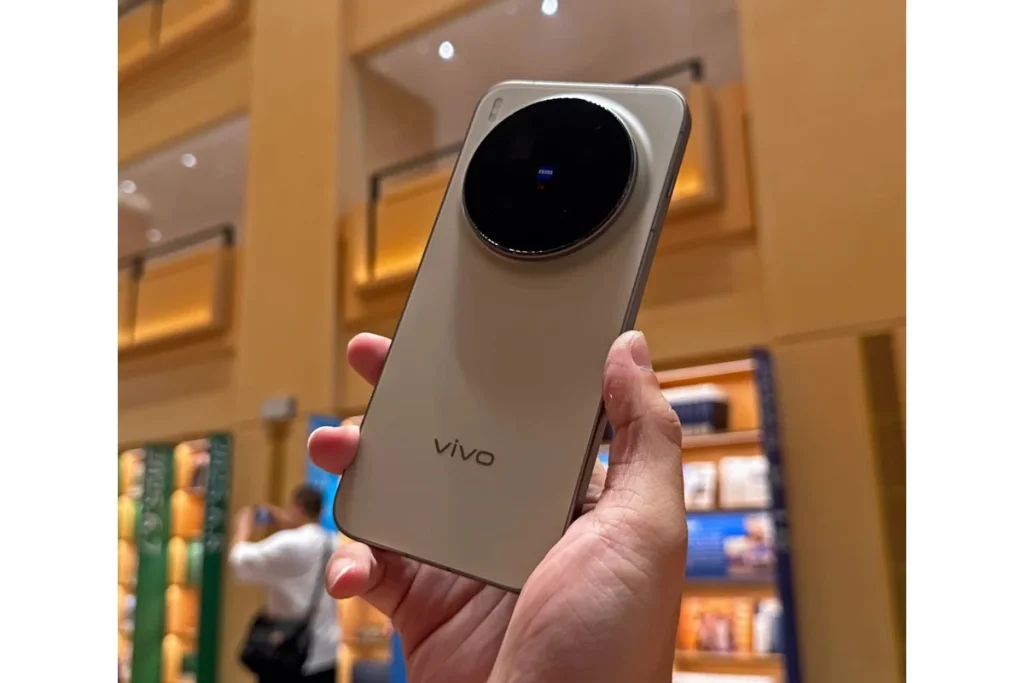
Vivo’s long-running partnership with Zeiss keeps paying off beautifully. The X300 Pro features a specialized V-series imaging chip alongside Zeiss T* anti-reflective lens coatings, making it the definitive smartphone for eliminating ghosting and lens flare during nighttime street photography.
- Key Specs: Zeiss-tuned optics with dedicated macro-telephoto capabilities and a premium ultra-smooth panel with customized color tuning.
- Display & Visibility: 3,000 nits screen designed with optimized blue-light filters to shield eyes during extended use.
- Biometrics: Ultra-fast under-display optical fingerprint scanner.
- Battery & Lifespan: Premium battery pack paired with 120W FlashCharge wired charging (charger included in the box). Smart software dynamically learns your sleep schedule to slow down charging at night, saving the cell’s long-term health.
- Software Longevity: 3 to 4 years of major OS upgrades.
- Price: Around $1,050
- Pros: Defeats all rivals in night photography, flare control, stunning portrait mode bokeh.
- Cons: Pre-installed software includes minor bloatware, video features aren’t as robust as Apple’s.
9. Sony Xperia 1 VIII
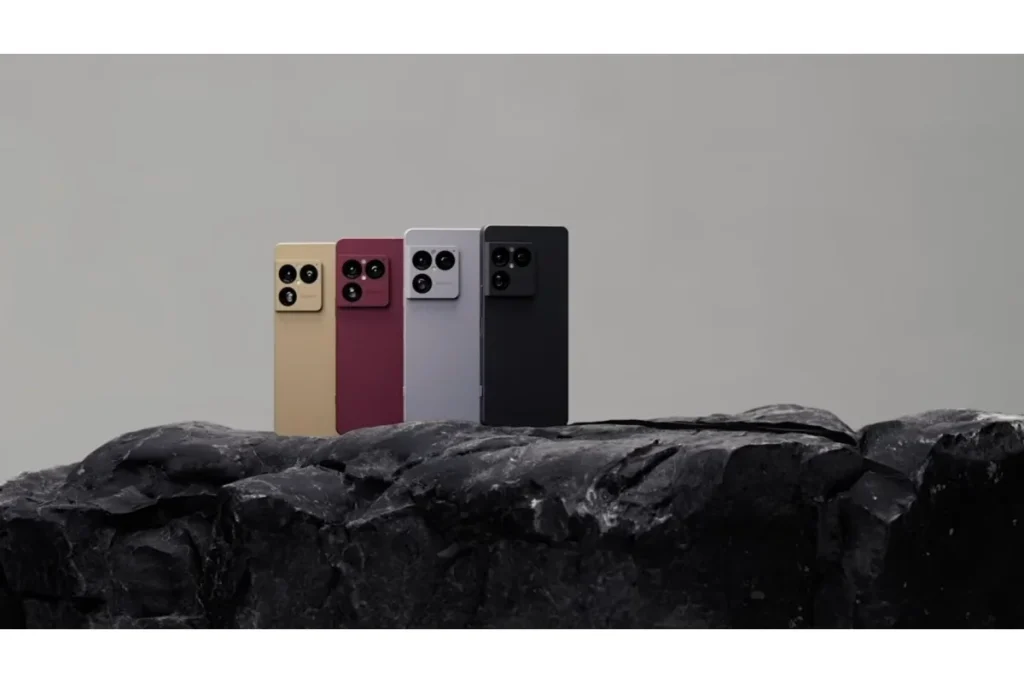
Sony’s Xperia line has always spoken to creators rather than casual users. The 1 VIII proudly keeps that identity intact, avoiding any notch or camera hole cutouts in favor of an uninterrupted cinematic display, a physical headphone jack, a MicroSD slot, and manual camera apps built straight from Sony’s Alpha division.
- Key Specs: True 21:9 aspect ratio 4K OLED screen, real-time eye tracking autofocus, a hardware shutter button, and manual photography/videography suites.
- Display & Visibility: A beautiful, notch-free 4K OLED panel calibrated to Hollywood mastering monitor standards. While slightly dimmer than rivals at 2,500 nits, its color precision outdoors is second to none.
- Biometrics: Classic, hyper-fast capacitive fingerprint sensor built right into the side power button.
- Battery & Lifespan: Xperia Adaptive Charging monitors the battery over time to ensure the device can hit a full 3-year lifespan with close to zero cell degradation. No charger included.
- Software Longevity: 3 years of OS upgrades and 4 years of security support.
- Price: $1,399
- Pros: No display notches or punch-holes, professional pro-grade manual control apps, headphone jack and expandable storage.
- Cons: Very expensive, auto-mode camera performance doesn’t match competitors, narrow aspect ratio isn’t for everyone.
10. ASUS ROG Phone 10 Ultimate
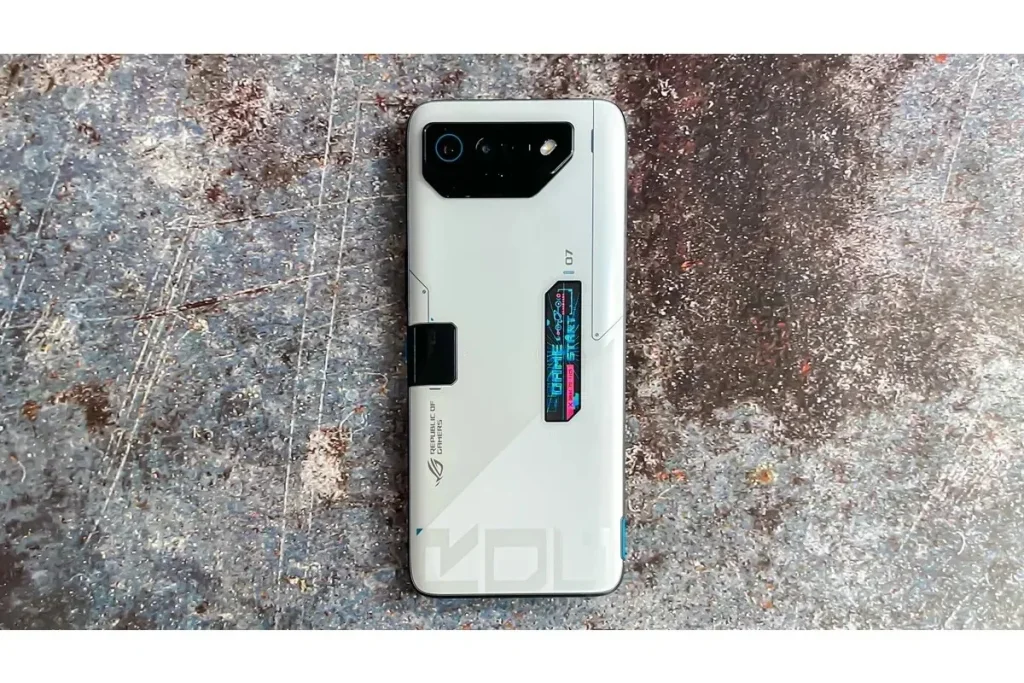
Built entirely from the ground up for competitive mobile gaming, the ROG Phone 10 Ultimate sacrifices nothing. It pairs an incredibly responsive high-refresh display with built-in capacitive air triggers and a motorized cooling vent that physically opens to dissipate heat during intense sessions.
- Key Specs: 165Hz ultra-responsive AMOLED panel, a top-binned Snapdragon 8 Elite Gen 2 processor, and customizable gaming ultrasonic triggers.
- Display & Visibility: 165Hz high-refresh rate screen that punches out up to 2,800 nits. It prioritizes zero motion blur and lightning-fast touch latency over raw pixel density.
- Biometrics: Under-display optical scanner tailored for rapid unlocking even during heated landscape gaming sessions.
- Battery & Charging: Houses a split 6,000mAh dual-cell battery built to separate heat from the motherboard. Supports 65W bypass charging (allowing you to power the phone directly from the cord without hitting the battery, completely saving battery lifespan while playing). 65W brick included in the box.
- Software Longevity: 2 to 3 years of major Android updates.
- Price: Starts at $1,199
- Pros: The fastest sustained gaming speeds on the market, massive battery, ingenious built-in cooling vent.
- Cons: Bulky and heavy industrial design, cameras are average for a phone at this price, lacks wireless charging.
Why This 2026 Flagship Smartphone Comparison Matters
Specs alone rarely tell the whole story. What actually separates these phones is how they perform once you’re using them every day — how the camera holds up in tricky mixed lighting, how the battery behaves after a year of heavy charging cycles, how long the software stays supported, and how well the phone fits into the ecosystem you’re already using. Comparing these details side by side makes it a lot easier to pick a phone that still feels right eighteen months from now, not just on day one.
Based on overall performance consistency, ecosystem longevity, camera quality, battery life, and global software support, the Apple iPhone 17 Pro Max remains the strongest, safest all-around flagship investment of 2026. It is not the flashiest or thinnest phone on this list, but it is the most predictably reliable device across every single category that matters to the average buyer.
If we look closely at individual priorities, however, the landscape shifts:
- For Photography Purists: If you want absolute smart photography, the Google Pixel 10 Pro‘s AI processing is unmatched. If you prefer natural, hardware-driven photographic texture, the Xiaomi 16 Ultra‘s 1-inch sensor is the clear winner.
- For Power Users & Workflows: The Samsung Galaxy S26 Ultra easily earns its premium price for anyone who relies on the S Pen, split-screen multitasking, or desktop-style productivity environments.
- For Speed & Media Enthusiasts: If battery anxiety or thermal throttling is your main concern, the extreme charging speeds of the OnePlus 15 Pro, the multi-day endurance of the Honor Magic 8 Pro, or the uncompromised, un-notched gaming focus of the ASUS ROG Phone 10 Ultimate and Sony Xperia 1 VIII will serve you far better than any traditional all-rounder.