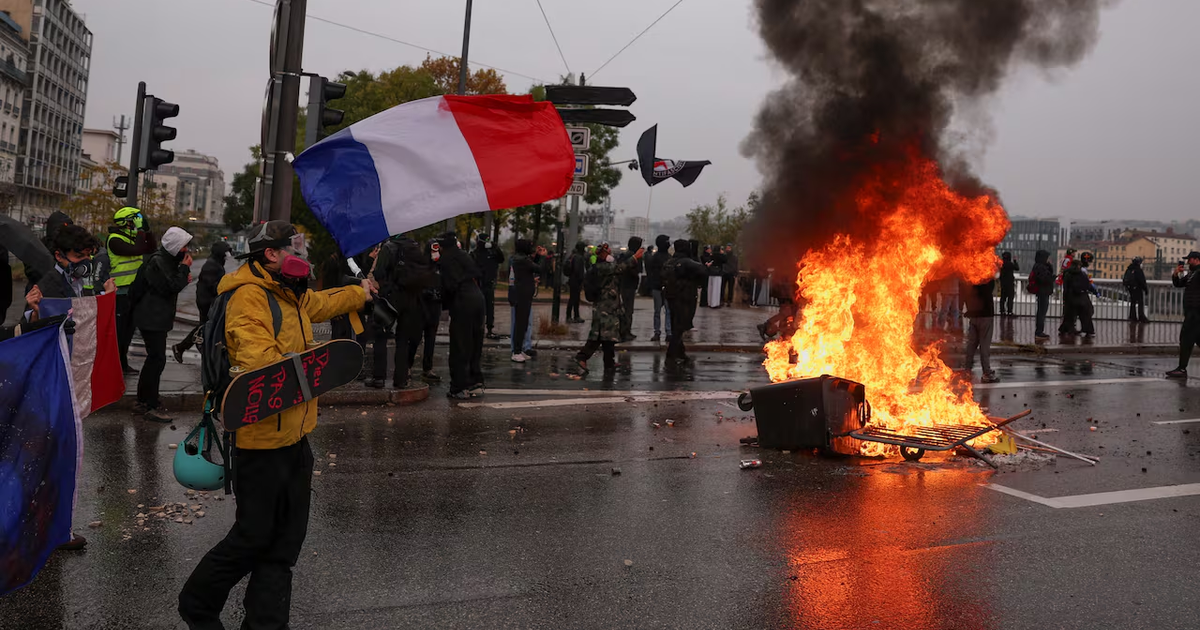
Digital information channels have transformed into modern geopolitical battlegrounds where domestic civil unrest is systematically co-opted by foreign actors. According to internal assessment dossiers compiled by European Union diplomatic officials and France’s foreign ministry, sophisticated social media disinformation operations actively exploited the violent demonstrations that swept across French metropolitan centers last month. Rather than originating the protests, external operators seized upon genuine domestic grievances to amplify social fragmentation and undermine institutional credibility.
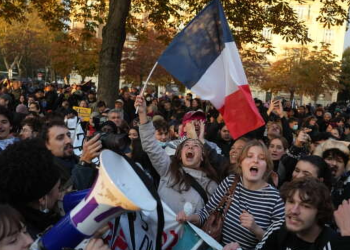
The unrest initially erupted across major French cities following widespread public demonstrations against soaring living costs, utility price inflation, and deteriorating funding for public services. However, as street clashes intensified, coordinated digital networks rapidly redirected the public narrative toward uncontrolled immigration, cultural conflict, and government collapse.
As monitored across global policy developments and macroeconomic indicators on InvestorBytes, escalating societal polarization and information warfare inject unpredictable volatility into sovereign governance. Left unchecked, state-backed influence campaigns heighten political risk premiums and destabilize core economic planning across leading European powers.
Anatomy of the Campaign: Opportunistic Information Warfare
The European Union analysis, prepared by disinformation analysts within the European External Action Service (EEAS), evaluated digital campaigns active between October 7 and October 21. The intelligence confirmed that external adversaries did not engineer or initiate the physical demonstrations. Instead, the intervention represented an opportunistic exploitation of domestic instability.
The primary objective of these social media disinformation operations was to depict the French administration as weak, illegitimate, and increasingly authoritarian. By flooding digital platforms with fabricated emergencies, hostile actors aimed to stoke public fear, deepen voter cynicism, and shape public sentiment ahead of pivotal upcoming elections.
In an official response to the findings, French President Emmanuel Macron noted that while foreign powers were not behind the physical mobilization of citizens, the foreign manipulation and distortion of online information had become an undeniable reality of modern public unrest.
The Scale of Reach: Russia, Israel, and MAGA Spheres
The French foreign ministry’s intelligence audit revealed that digital manipulation was not confined to a single geographic or ideological origin. While state-backed Russian efforts focused on media impersonation, accounts linked to American conservative movements and Israeli commentators generated the highest aggregate view counts.
Between October 16 and October 18, the volume of engagement across platform X (formerly Twitter) demonstrated massive exposure disparities:
| Operating Sphere | Top 10 Posts View Count | Core Narrative Focus |
|---|---|---|
| Pro-Russian Networks | 2.8 Million Views | State weakness, institutional decay, Ukraine spending vs. domestic needs |
| Israeli Officials & Influencers | 35.0 Million Views | Radical Islamism, migrant criminality, systemic civil decline |
| US MAGA-Aligned Figures | 49.0 Million Views | Open-border failures, cultural collapse, breakdown of Western law and order |
While Russian-linked networks generated 2.8 million views, their impact was multiplied by broader global discourse. The top ten posts from US MAGA-aligned political commentators and media figures accumulated over 49 million views, while Israeli officials, state accounts, and influencers drove over 35 million impressions by linking the French riots to religious conflict and border policies.
According to Elina Treyger, a senior political scientist at the RAND Corporation, these campaigns represent a sustained “narrative competition.” By continuously magnifying civil turmoil in Western democracies, these social media disinformation operations feed an anti-immigrant backlash that pushes domestic voters toward political extremes.
Inside Operation Overload: AI Cloning and Brand Impersonation
Central to the European Union’s findings is the persistent activity of “Operation Overload,” a covert Russian-aligned influence network active since September 2023. Tracked extensively by the Institute for Strategic Dialogue (ISD) and France’s national watchdog Viginum, the operation specializes in subverting trust in mainstream news organizations.
Key Tactical Methods Deployed Online
- Synthetic Video Fabrication: Generating deceptive clips that imitate the visual branding, lower-thirds, and typography of trusted Western broadcasters such as France 24, Le Monde, and AFP.
- Generative Voice Cloning: Using advanced artificial intelligence models to clone the audio of recognizable journalists and defense analysts to narrate entirely false scripts.
- Manufactured Horror Stories: Disseminating fabricated reports alleging that migrants had assaulted female demonstrators or that imminent extremist attacks were planned across transit hubs.
- Domestic Resentment Exploitation: Promoting targeted messaging arguing that European governments prioritize financial assistance to Ukraine over urgent domestic public welfare.
Spokespersons for the Russian Foreign Ministry have repeatedly denied allegations of digital subversion, previously dismissing findings by French oversight agencies as political tools designed to manipulate public opinion.
Investors tracking structural risks, European budget negotiations, and policy shifts across InvestorBytes Markets will note that narrative-driven polarization complicates long-term fiscal discipline, directly impacting sovereign bond yields and legislative reform agendas.
Safeguarding Democratic and Economic Stability
The strategic weaponization of social media during domestic protests marks a significant shift in asymmetric conflict. Hostile actors no longer need to mobilize street movements directly; modern social media disinformation operations simply exploit existing economic and social anxieties, transforming localized industrial protests into systemic crises of confidence.
As synthetic generative media becomes cheaper and faster to distribute at scale, counteracting disinformation requires coordinated regulatory oversight, rapid cryptographic content authentication, and aggressive platform accountability. Without strong institutional safeguards, future economic friction in Western capitals will remain vulnerable to external digital exploitation.
Disclaimer
The information provided in this article is for educational, journalistic, and informational purposes only and does not constitute formal financial, legal, or investment advice.