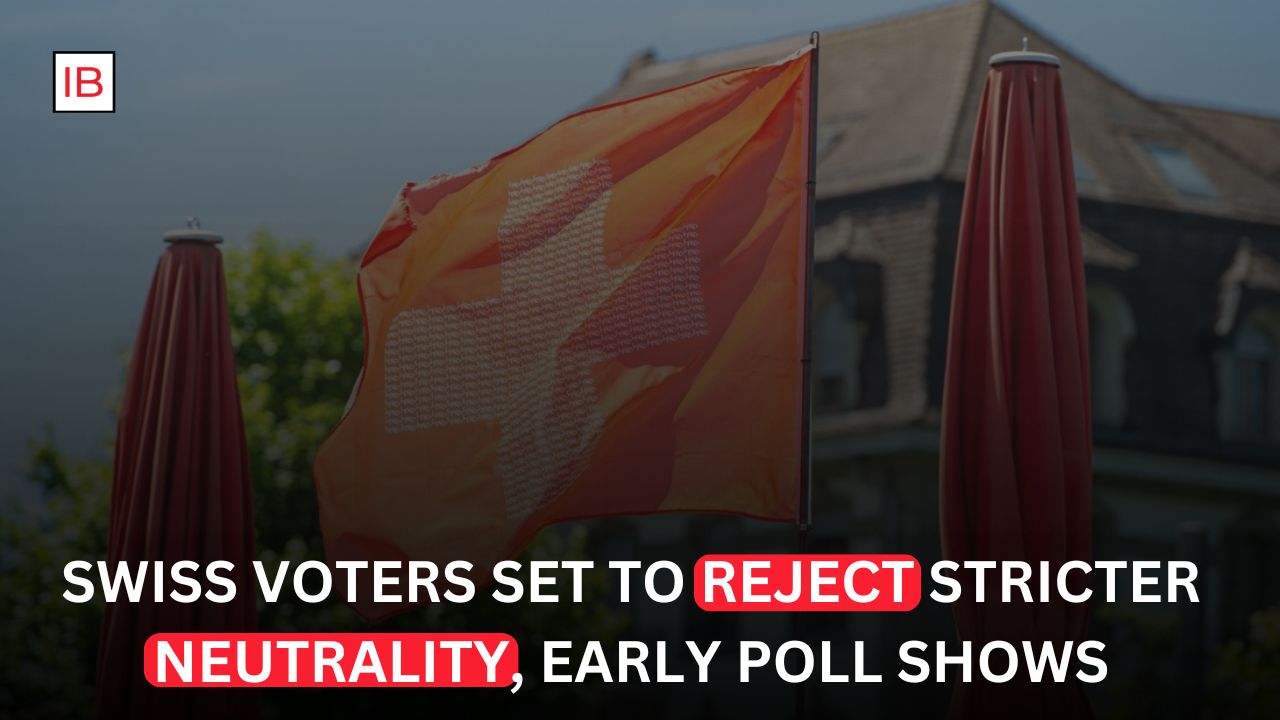
Proposal to Strengthen Neutrality Faces Strong Opposition. Swiss voters are expected to reject a proposal aimed at strengthening the country’s long-standing policy of neutrality, according to an early opinion poll released ahead of a national referendum scheduled for September 27.
The survey found that only around one-third of voters currently support the initiative, while a majority oppose the measure. The results suggest Switzerland is unlikely to make significant constitutional changes that would limit its ability to cooperate with international sanctions and foreign policy measures.
Proposal Seeks Constitutional Changes
The initiative, backed by supporters of stricter neutrality, would formally enshrine permanent neutrality in Switzerland’s constitution.
Supporters argue that the measure would protect the country’s traditional role as a neutral state and prevent future governments from becoming involved in international disputes. They believe neutrality has helped Switzerland maintain stability, independence and its reputation as a mediator in global conflicts.
Critics Warn of Diplomatic Limitations
Opponents of the proposal argue that stricter neutrality could reduce Switzerland’s flexibility in responding to international crises.
Critics say the initiative may restrict the country’s ability to support sanctions against nations accused of violating international law. They also warn that the proposal could complicate Switzerland’s relationships with European partners and international organizations.
Government officials have previously expressed concerns that the measure could weaken Switzerland’s foreign policy options during future geopolitical crises.
Russia Sanctions Remain Central Issue
The debate over neutrality intensified following Russia’s invasion of Ukraine.
Traditionally, Switzerland has maintained a policy of military neutrality while participating in international diplomacy. However, the Swiss government aligned itself with European Union sanctions against Russia, a move that sparked criticism from groups advocating a stricter interpretation of neutrality.
Supporters of the initiative argue that adopting sanctions undermines Switzerland’s neutral status, while opponents say sanctions are compatible with modern neutrality and international responsibilities.
Poll Suggests Difficult Path Ahead
According to the survey, approximately 34% of respondents support the initiative, while around 54% oppose it. The remaining voters remain undecided ahead of the September referendum.
Although public opinion can shift before voting day, analysts say the proposal currently faces significant challenges in gaining majority support.
Neutrality Debate Continues
Switzerland’s policy of neutrality has been a cornerstone of its identity for more than two centuries and remains a subject of intense public discussion.
The upcoming referendum is expected to become a major test of how Swiss citizens view the country’s role in an increasingly divided global environment. The outcome could influence future decisions on sanctions, international cooperation and Switzerland’s position in global affairs.
Vote Could Shape Future Foreign Policy
While the early poll suggests voters are leaning toward rejecting the initiative, the campaign is expected to intensify in the coming months.
A rejection would likely preserve the government’s current approach, allowing Switzerland to maintain its traditional neutrality while retaining flexibility to respond to international events. A surprise approval, however, could significantly reshape Swiss foreign policy for years to come.