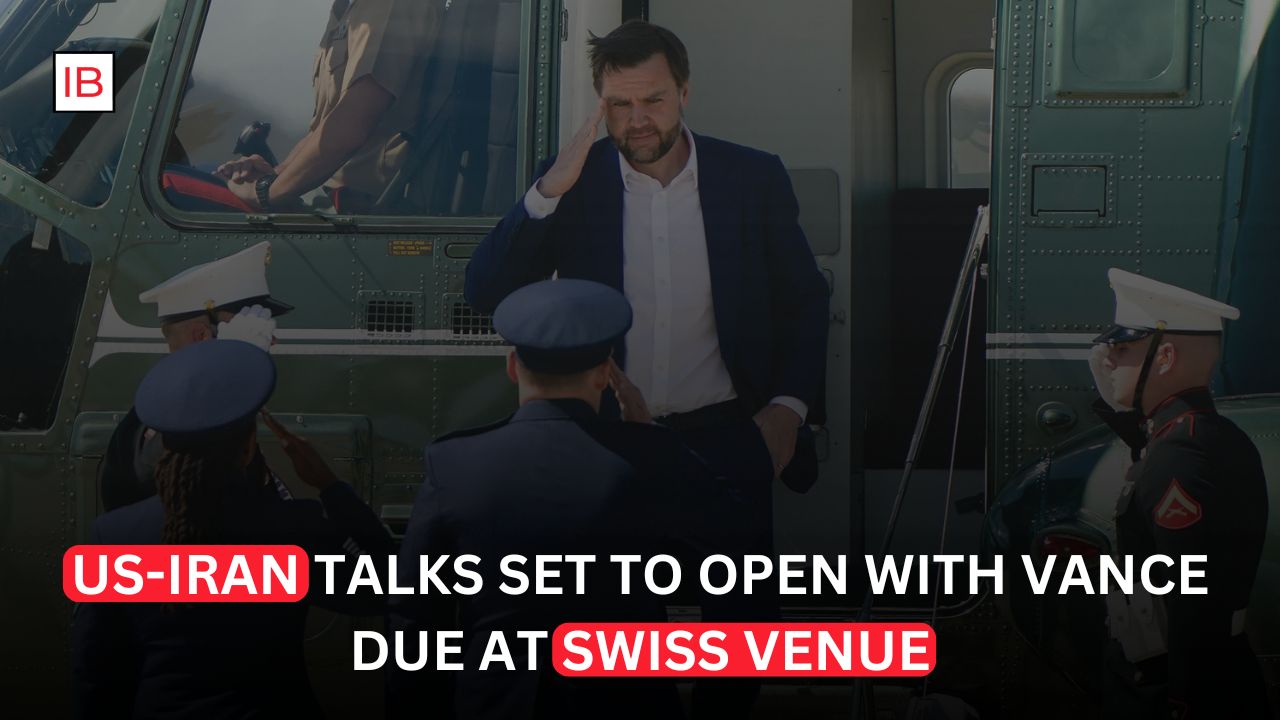
Strait of Hormuz Dispute Threatens Fragile Peace Process. US Vice President JD Vance has traveled to Switzerland for a new round of negotiations with Iranian officials as uncertainty surrounding the Strait of Hormuz threatens to derail a recently signed peace agreement between Washington and Tehran.
The talks come just days after the United States and Iran agreed to a 60-day diplomatic framework aimed at ending months of conflict, reopening key shipping routes and launching discussions on Iran’s nuclear program. However, renewed tensions over the status of the Strait of Hormuz have created fresh obstacles for negotiators.
Hormuz Status Remains Unclear
The latest dispute began after Iranian military officials claimed the Strait of Hormuz had been closed in response to alleged violations of ceasefire commitments, particularly continued fighting in Lebanon.
US officials strongly disputed the claim, insisting that commercial shipping traffic continues to move through the waterway. The US Central Command said American forces are monitoring the region to ensure freedom of navigation and maintain the flow of global energy supplies.
The conflicting statements have created uncertainty for energy markets, shipping companies and governments that rely on the strategically important maritime route.
Vance Leads High-Level Delegation
Vance is leading the American delegation in Switzerland and is expected to meet senior Iranian officials to address both the Hormuz dispute and broader issues surrounding the peace agreement.
Before departing, the vice president said negotiators hope to make progress on Iran’s nuclear program and the ongoing ceasefire issues involving Lebanon. The talks are considered a critical test of whether the interim agreement can evolve into a more comprehensive settlement.
The Iranian delegation reportedly includes Foreign Minister Abbas Araghchi, Parliament Speaker Mohammad Bagher Ghalibaf and other senior officials. Pakistan, which helped mediate the original agreement, is also expected to participate in the discussions.
Lebanon Violence Complicates Negotiations
The talks were initially delayed after renewed fighting erupted between Israel and Hezbollah in southern Lebanon.
Iran has accused the United States of failing to uphold commitments related to the ceasefire, arguing that continued Israeli military operations violate the spirit of the agreement. Tehran has warned that regional stability and maritime security cannot be guaranteed if fighting continues.
The situation has become one of the most significant challenges facing diplomats as they attempt to preserve momentum in the peace process.
Nuclear Issues Move to the Forefront
While the Strait of Hormuz dominates immediate concerns, negotiators are also preparing to tackle more difficult long-term issues.
Technical discussions are expected to focus on Iran’s uranium enrichment activities, monitoring mechanisms and the future handling of existing enriched uranium stockpiles. These topics are widely considered the most sensitive elements of the broader negotiation process.
Officials on both sides acknowledge that reaching a permanent agreement will require substantial compromises and could take months of further negotiations.
Global Markets Watching Closely
The outcome of the Switzerland talks is being closely monitored by financial markets and energy traders.
The Strait of Hormuz remains one of the world’s most important oil transit routes, and any disruption could affect global energy prices and supply chains. Although US officials insist the waterway remains operational, uncertainty surrounding its status continues to create market volatility.
Critical Test for Peace Agreement
The Switzerland meeting represents the first major diplomatic test since the US-Iran agreement was announced.
Success could help stabilize the region, support energy markets and create momentum for future nuclear negotiations. Failure, however, could reignite tensions over Hormuz, Lebanon and broader Middle East security issues.
For now, diplomats are racing to prevent the latest disputes from undermining one of the most significant diplomatic breakthroughs between Washington and Tehran in years.