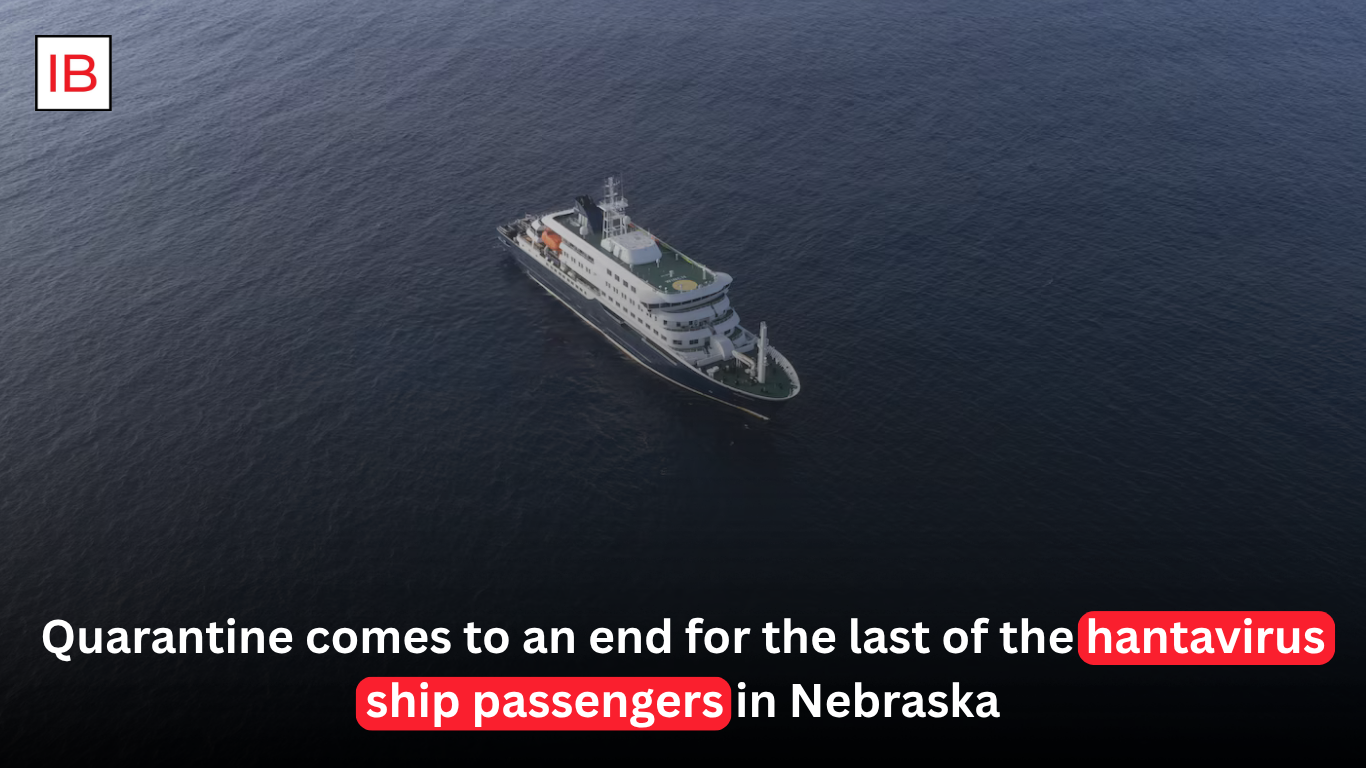
The last group of American passengers quarantined following a deadly hantavirus outbreak aboard a cruise ship has been released after completing a 42-day monitoring period, bringing an end to the U.S. response to the incident.
The passengers were among a group exposed to the Andes strain of hantavirus while traveling on the expedition cruise ship MV Hondius. The outbreak resulted in multiple infections and several deaths, prompting health authorities in several countries to launch extensive monitoring and quarantine measures.
A total of 18 U.S. residents were placed under observation at the National Quarantine Unit in Nebraska after returning from the voyage. Health officials monitored them for six weeks, which corresponds to the maximum incubation period associated with the Andes virus. No U.S. passenger developed hantavirus disease during the quarantine period.
The Andes virus is a rare strain of hantavirus found primarily in South America. Unlike most hantaviruses, which are usually transmitted through contact with infected rodents or their droppings, the Andes strain has demonstrated limited person-to-person transmission in certain circumstances. This unusual characteristic was one of the main reasons authorities imposed strict quarantine measures.
The quarantine process generated debate after some passengers questioned the restrictions and sought permission to complete monitoring at home. Public health officials defended the precautions, citing the seriousness of the outbreak and the uncertainty surrounding potential transmission risks.
Health authorities say the successful completion of the monitoring program means the outbreak has not led to additional cases in the United States. Officials emphasized that the risk to the general public remains extremely low and that all known exposed passengers have now completed the required observation period.