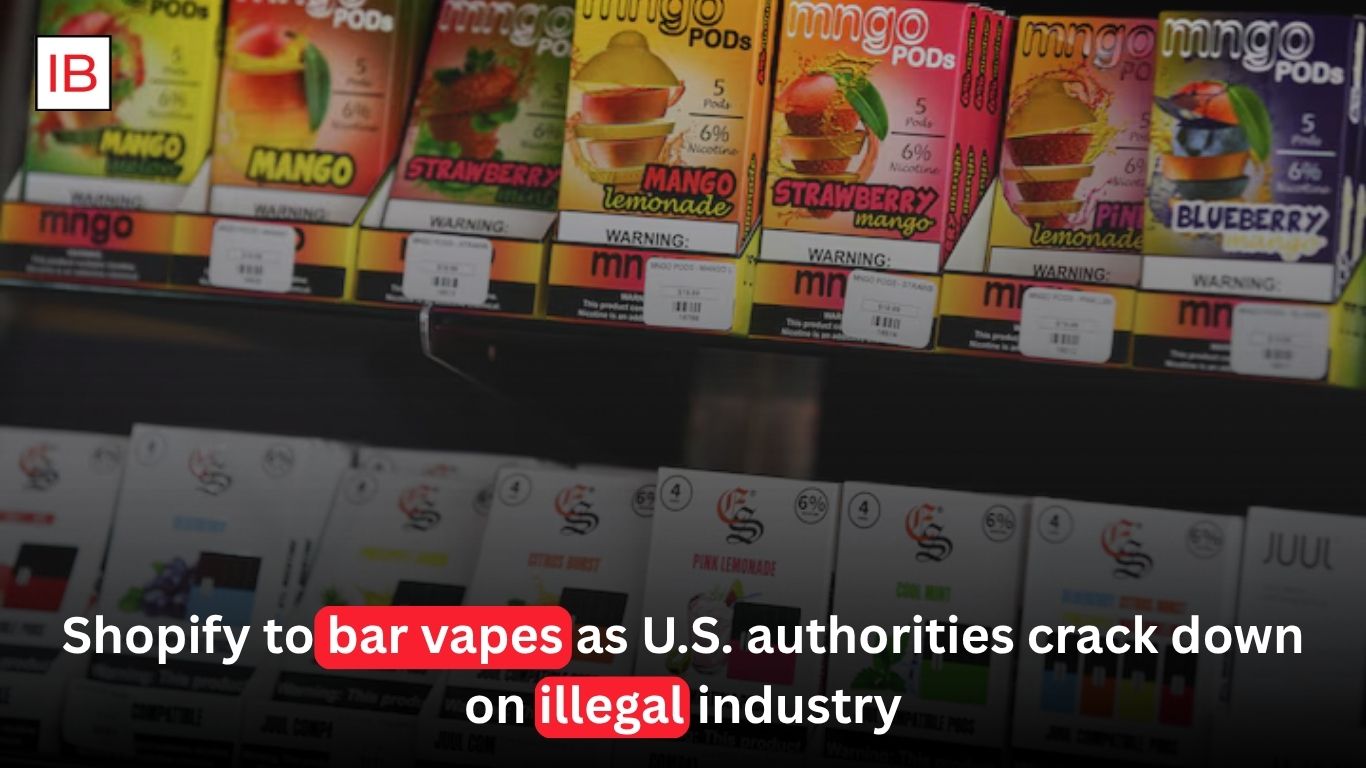
Shopify is preparing to ban the sale of vape products on its platform following mounting pressure from U.S. regulators seeking to curb the online trade of illegal e-cigarettes.
According to reports, the move comes after discussions between Shopify and a bipartisan coalition of 25 U.S. state attorneys general who have been urging the company to take stronger action against merchants selling unauthorized vaping products. The ban could take effect as early as this week and would represent one of the most significant actions taken by a major e-commerce platform against the vape industry.
Many of the products targeted by regulators are disposable vapes imported from China that lack authorization from the U.S. Food and Drug Administration (FDA). Authorities argue that these products are being sold illegally and pose public health concerns, particularly among young consumers. Despite ongoing enforcement efforts, unauthorized devices continue to dominate large portions of the U.S. vaping market.
The planned policy would reportedly apply to all vape products sold through Shopify’s platform in the United States, regardless of whether they have FDA authorization. Industry observers say the decision could significantly disrupt online vape sales because e-commerce has become a major distribution channel for unauthorized products.
The crackdown extends beyond online marketplaces. Financial companies are also facing pressure to limit their involvement in illegal vape sales. Earlier this year, Mastercard warned payment partners that processing transactions involving unauthorized vape products could violate company standards and potentially lead to investigations or penalties.
Supporters of the crackdown argue that stronger enforcement is necessary to protect consumers and prevent underage access to vaping products. Critics, however, contend that restrictive regulations have limited legal alternatives and contributed to the growth of an underground market.
The decision highlights growing efforts by U.S. authorities to target not only manufacturers and retailers but also the infrastructure that supports online sales, including e-commerce platforms, payment processors, and supply chains. As regulators continue to tighten oversight, the vaping industry is expected to face increasing pressure to comply with evolving rules and licensing requirements.