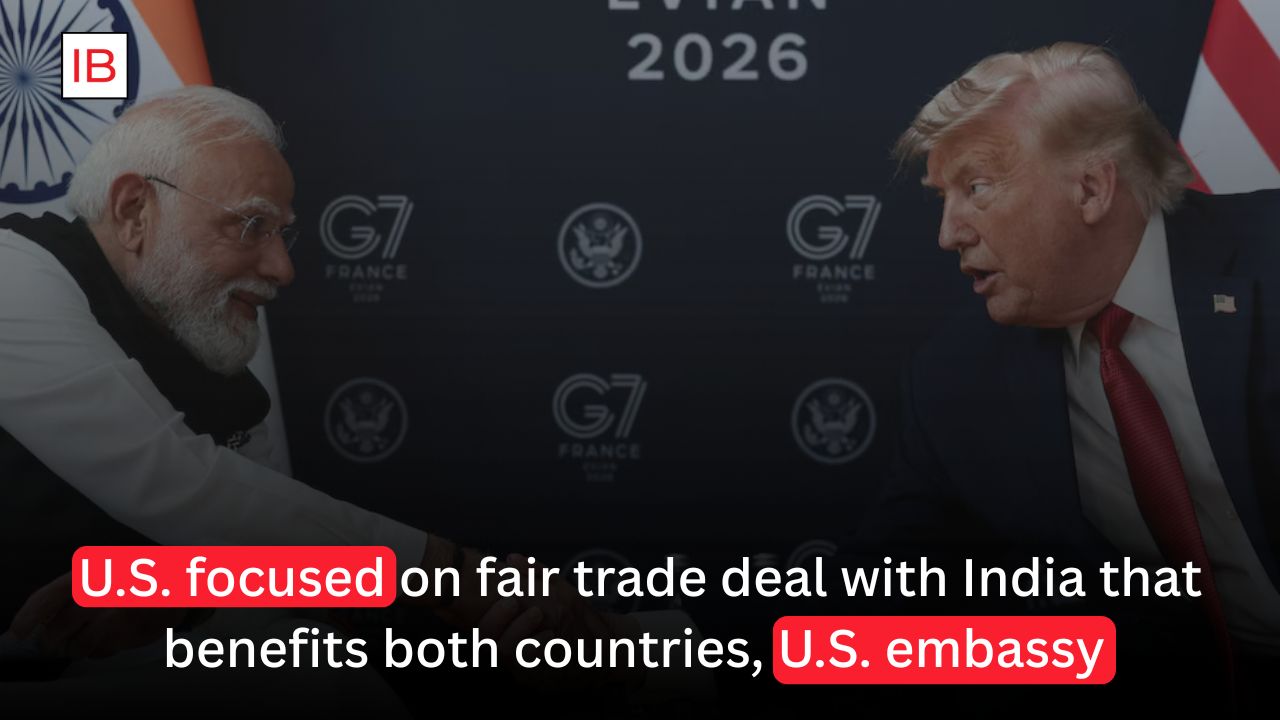
The United States says it remains focused on securing a fair and mutually beneficial trade agreement with India, as senior officials from both countries meet in New Delhi to push forward negotiations on an interim trade pact. The discussions are part of broader efforts to strengthen economic ties while addressing longstanding trade disputes between the two nations.
High-Level Trade Talks Underway
U.S. Trade Representative Jamieson Greer met with Indian Commerce and Industry Minister Piyush Goyal in New Delhi as both sides worked to advance negotiations on an interim agreement. The U.S. Embassy said Washington’s goal is to achieve a “fair and reciprocal” arrangement that opens markets for American exporters while delivering benefits to both countries.
Trade Deal Seen as Key to Strengthening Economic Ties
The negotiations are part of a broader effort to deepen economic cooperation between the world’s two largest democracies. Officials from both governments have been working for months to finalize a framework that could reduce trade barriers, improve market access, and create new opportunities for businesses on both sides.
Trade remains one of the most important pillars of the U.S.-India relationship, with both countries seeking to expand investment, diversify supply chains, and increase bilateral commerce amid shifting global economic conditions.
Tariffs and Market Access Remain Major Issues
Despite progress, several issues continue to complicate negotiations. India has been seeking preferential access to U.S. markets, while Washington has pushed for greater access for American goods and services. Tariff levels, agricultural imports, industrial goods, and non-tariff barriers remain key areas of discussion.
Indian officials have also expressed concerns about ongoing U.S. trade investigations and potential future tariffs that could affect sectors such as textiles, steel, and manufacturing exports.
Momentum Builds Toward Interim Agreement
Both governments have indicated that they want to conclude the first phase of a trade agreement as soon as possible. Earlier statements from Indian officials suggested that an initial tranche of the deal could be finalized in the coming weeks if remaining differences can be resolved.
The talks build on an interim trade framework announced earlier this year, which outlined steps toward a broader bilateral trade agreement and included commitments aimed at improving market access and strengthening supply-chain cooperation.
Strategic Importance Beyond Trade
Analysts say the negotiations carry significance beyond economics. Closer trade ties are viewed as an important component of the wider strategic partnership between Washington and New Delhi, particularly as both countries seek to strengthen cooperation in technology, manufacturing, energy, and regional security.
A successful agreement could help boost investor confidence, expand exports, and provide greater certainty for businesses operating in both markets. However, significant negotiations remain before a final deal can be reached.
What Happens Next
Trade officials are expected to continue discussions over the coming days as they work toward resolving outstanding issues. While both sides have expressed optimism, the timing of a final agreement will depend on whether negotiators can bridge differences on tariffs, market access, and regulatory concerns.
For now, Washington and New Delhi appear committed to maintaining momentum, with both governments emphasizing the importance of a balanced deal that supports economic growth and strengthens one of the world’s most important bilateral relationships.