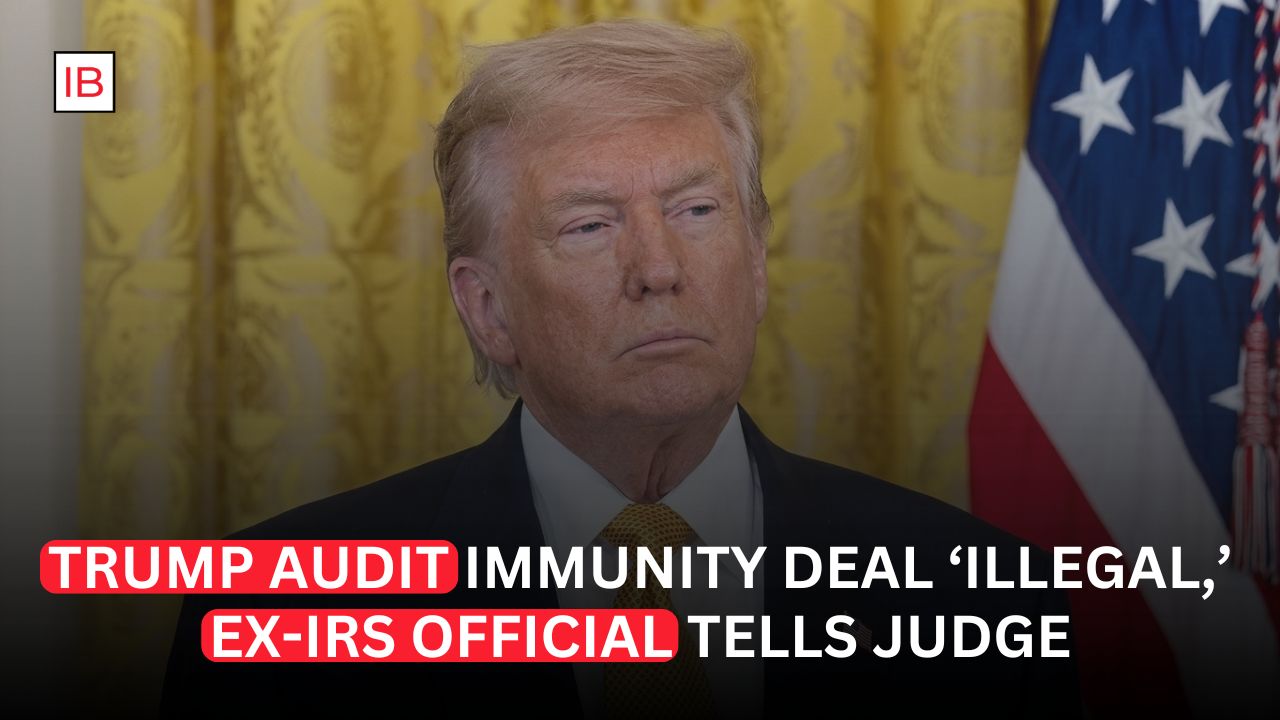
Court Hearing Intensifies Scrutiny of Controversial Agreement Shielding Trump From IRS Audits. A former senior IRS official has told a federal judge that a controversial agreement granting Donald Trump broad protection from tax audits may be illegal, escalating legal pressure over a deal that has already triggered political and constitutional concerns.
The warning comes as courts continue to examine a settlement between Trump and the US government that effectively bars the Internal Revenue Service from auditing the president, his family and associated businesses, raising questions about executive authority and potential conflicts of interest.
Former IRS Official Raises Legal Concerns
During court proceedings, the former IRS official argued that the agreement could violate federal tax law and undermine statutory safeguards designed to prevent political interference in tax enforcement.
The official said the structure of the deal may conflict with provisions that prohibit government officials from interfering in ongoing audits or using their authority to influence tax investigations.
Legal experts have previously pointed to federal statutes enacted after the Watergate scandal that make it a crime for senior officials to intervene in IRS audit decisions.
Controversial Settlement Under Scrutiny
The agreement in question stems from a broader settlement that ended Trump’s legal dispute with the IRS over alleged mishandling of his tax records.
As part of the arrangement, federal authorities agreed to halt ongoing audits involving Trump and his affiliated entities, a move critics argue effectively grants long-term immunity from tax scrutiny.
Supporters of the deal say it resolves years of litigation and protects sensitive taxpayer information from political misuse.
Broader Constitutional Questions
The case has also raised wider constitutional concerns about separation of powers and whether a sitting president can be involved in resolving legal disputes involving agencies he oversees.
Critics argue the arrangement creates a conflict of interest because it involves the executive branch effectively negotiating limits on enforcement actions against the president himself.
Opponents say such agreements risk weakening institutional independence and could set a precedent affecting future administrations.
Ongoing Legal Challenges
Multiple lawsuits and motions have been filed seeking to reopen or block elements of the settlement, with plaintiffs arguing that the agreement was improperly structured and lacks legal grounding.
A federal judge is currently reviewing whether the deal was consistent with statutory requirements and whether it should remain in effect while litigation continues.
No final ruling has yet been issued.
Political Fallout Continues
The controversy has become a flashpoint in Washington, with lawmakers and legal watchdogs warning that the agreement could undermine public trust in tax enforcement.
Critics say the deal could allow wealthy individuals to avoid scrutiny, while supporters argue it is a necessary resolution to politically charged disputes over past IRS actions.
The Trump administration has defended the arrangement as lawful and necessary to resolve prolonged litigation and restore administrative stability.
What Happens Next
The court is expected to continue reviewing arguments in the coming weeks, with potential rulings that could either uphold the settlement or force parts of it to be reconsidered.
For now, the legality of the IRS immunity arrangement remains unresolved, leaving one of the most unusual tax-related legal disputes in recent US political history still unfolding in the courts.