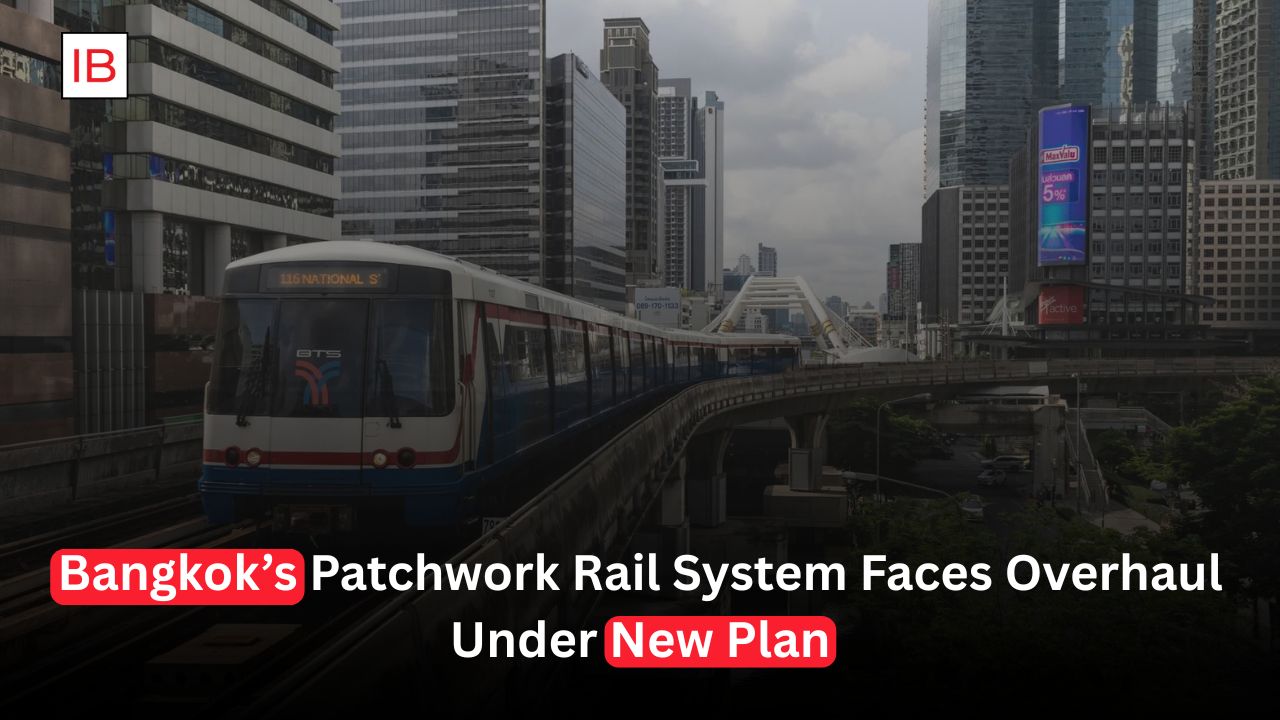
Thailand’s government is preparing a sweeping overhaul of Bangkok’s rail transit system as officials seek to simplify fares, improve connectivity, and address long-standing concerns over the city’s fragmented public transportation network. The proposed reforms could reshape how millions of commuters travel across the capital each day.
Bangkok’s rail system has expanded rapidly over the past two decades, but it remains divided among multiple operators, fare structures, and ticketing systems. Commuters often need separate tickets and pay different rates when transferring between lines, creating frustration and increasing travel costs.
Government Pushes for Unified Rail Strategy
Officials are working on a new plan aimed at integrating the city’s various rail networks under a more coordinated framework. The proposal seeks to create a smoother passenger experience by simplifying fare policies and improving coordination among transit operators.
Authorities believe a more unified system could encourage greater public transport usage, reduce traffic congestion, and support long-term urban development goals.
Fragmented Network Creates Challenges
Bangkok’s transit network consists of several rail systems developed at different times by different entities. While expansion has improved access across the city, the lack of integration has often resulted in inefficiencies and confusion for passengers.
Transportation experts have long argued that inconsistent fare structures and limited interoperability discourage some commuters from fully utilizing the network, particularly for longer journeys that require multiple transfers.
Affordable Fares a Key Objective
One of the central goals of the reform effort is to make rail travel more affordable. Policymakers are exploring mechanisms that could cap fares or create more predictable pricing structures across the network.
Supporters of the plan argue that lower and more transparent fares would benefit daily commuters while helping reduce dependence on private vehicles.
Economic and Environmental Benefits
The government sees rail integration as part of a broader strategy to improve Bangkok’s competitiveness and quality of life. Better public transportation could help ease chronic traffic congestion, lower transportation costs, and reduce emissions in one of Southeast Asia’s busiest metropolitan areas.
Urban planners also believe a more connected rail system could stimulate economic activity around transit hubs and support future residential and commercial development.
Implementation Challenges Remain
Despite broad support for reform, significant hurdles remain. Integrating multiple operators, restructuring contracts, and balancing financial interests will likely require complex negotiations between government agencies and private-sector partners.
Analysts say funding arrangements and revenue-sharing mechanisms could become major points of discussion as authorities work to finalize the details of the overhaul.
What Happens Next
The government is expected to continue evaluating proposals and consulting with stakeholders before announcing final measures. If implemented, the reforms would represent one of the most significant changes to Bangkok’s transportation system in years.
For commuters, the success of the plan will ultimately be measured by whether it delivers a simpler, more affordable, and better-connected rail network capable of meeting the needs of a growing city.