Phone Call Focuses on Anti-Drug Cooperation as Bogotá Seeks to Ease Diplomatic Tensions.
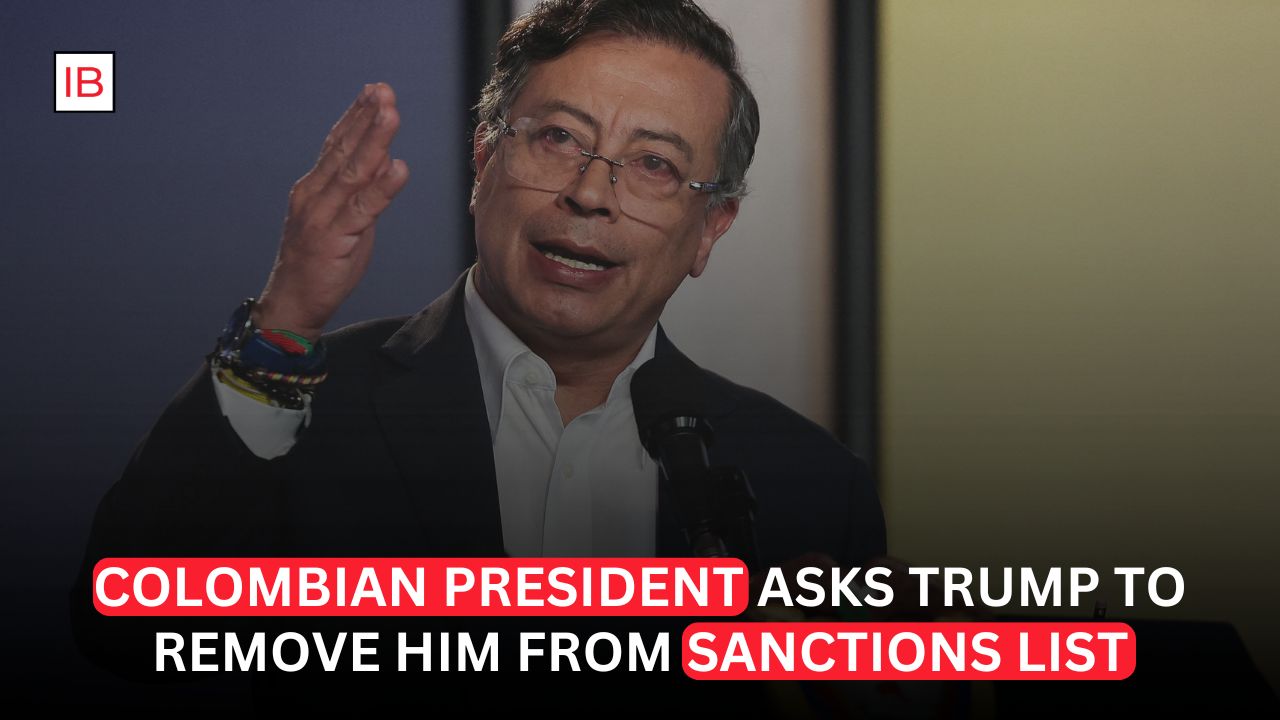
Colombian President Gustavo Petro has asked US President Donald Trump to remove him from the US sanctions list during a phone conversation centered on counternarcotics cooperation and bilateral relations. The request comes as Colombia says it has met key coca-eradication targets and is seeking to improve ties with Washington after months of strained relations.
The call marked one of the highest-level contacts between the two leaders since the United States imposed sanctions on Petro in 2025 over allegations related to Colombia’s drug policies. Petro has consistently rejected the accusations and has called for a reset in relations with the United States.
Petro Highlights Anti-Drug Progress
According to the Colombian government, Petro told Trump that Colombia had successfully reached a previously agreed goal of voluntarily eradicating around 30,000 hectares of coca crops, the raw material used to produce cocaine.
Bogotá said the achievement demonstrates its commitment to combating illicit drug production while pursuing alternative development programs for rural communities.
Request to Lift Sanctions
During the discussion, Petro also appealed for his removal from the US sanctions list, arguing that stronger cooperation between the two countries would benefit regional security and anti-drug efforts.
While officials confirmed that sanctions were discussed, neither side disclosed whether Trump indicated he would consider lifting the restrictions.
Sanctions Have Strained Relations
The United States sanctioned Petro in 2025 under counternarcotics authorities, accusing his administration of failing to curb cocaine production and allowing criminal organizations to expand their operations.
The sanctions increased diplomatic tensions between the long-standing allies and affected broader cooperation on security and regional policy. Petro has repeatedly denied wrongdoing and criticized the measures.
Cooperation Remains a Priority
Despite political disagreements, both governments continue to recognize the importance of working together on drug trafficking, migration and regional stability.
Colombia remains one of Washington’s key security partners in Latin America, with joint efforts focusing on reducing cocaine production and disrupting organized crime networks.
Future Relations Under Review
Analysts say the latest conversation could signal a willingness by both governments to improve diplomatic engagement, though any decision on sanctions would likely depend on future progress in Colombia’s counternarcotics strategy.
For now, the phone call represents a step toward renewed dialogue as Bogotá seeks to rebuild trust with its most important international partner.