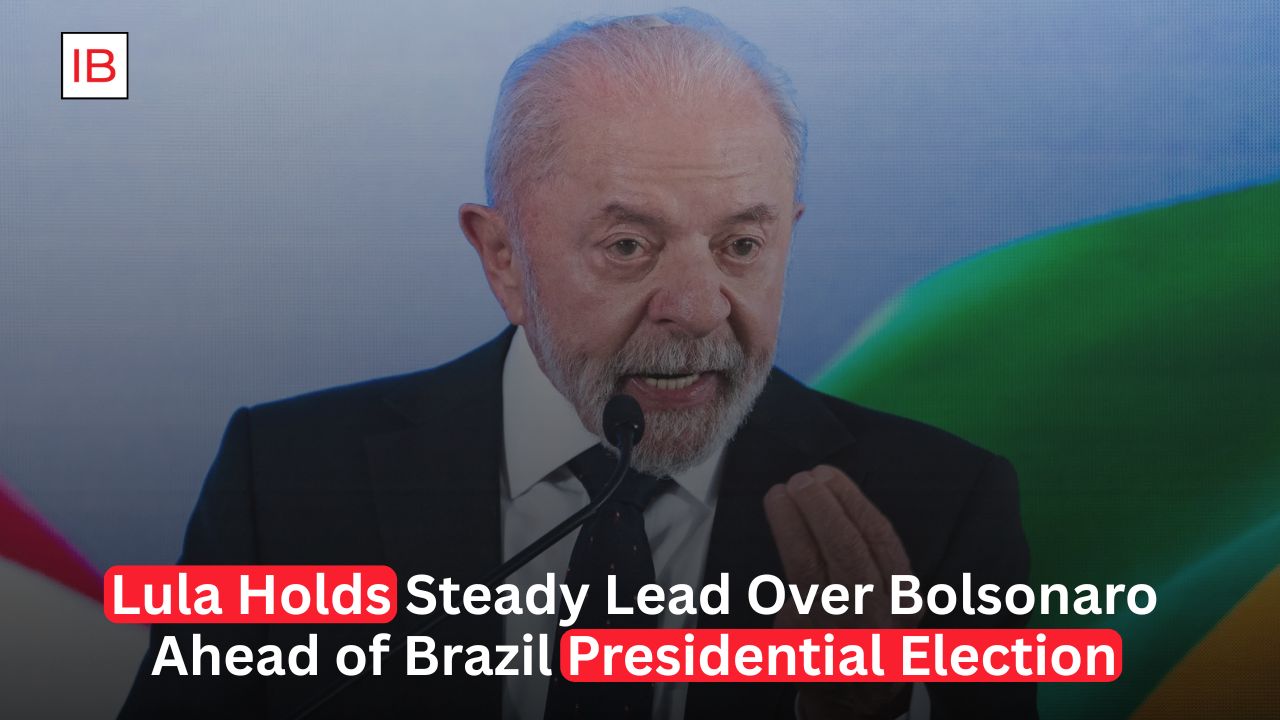
New Poll Shows Incumbent Maintaining Advantage in Tight Presidential Race
Brazilian President Luiz Inácio Lula da Silva is maintaining a steady lead over opposition Senator Flávio Bolsonaro ahead of the country’s upcoming 2026 presidential election, according to a new AtlasIntel/Bloomberg poll.
The survey suggests Lula continues to benefit from strong support heading into the campaign season, even as Brazil’s political environment remains highly polarized and competitive.
Poll Results Show Lula Ahead in Both Runoff and First Round
In a hypothetical second-round matchup, Lula would secure 48.8% of the vote compared with 42.3% for Flávio Bolsonaro, the son of former President Jair Bolsonaro.
In the first-round scenario, Lula leads with 46.3%, while Flávio Bolsonaro trails at 36.6%, with smaller candidates splitting the remaining vote share.
The poll surveyed 4,999 respondents between June 26 and June 30, with a margin of error of roughly one percentage point.
Political Context: A Divided and Volatile Race
The race comes at a time of deep political fragmentation in Brazil, where traditional party structures have weakened and personal political brands increasingly dominate voter behavior.
The Bolsonaro political movement remains influential despite legal and reputational challenges surrounding former President Jair Bolsonaro. However, internal divisions and ongoing controversies have complicated efforts to present a unified opposition front.
Meanwhile, Lula continues to leverage incumbency advantages, particularly in economic messaging and social policy support.
Key Issues Shaping the Election
Several core issues are expected to define the campaign in the months ahead:
- Economic growth and inflation management
- Public security and crime policy
- Corruption investigations and institutional trust
- Social welfare and inequality reduction
- Brazil’s international trade and environmental policy
These themes have historically played a decisive role in Brazilian presidential elections and are likely to intensify as campaigning accelerates.
Why the Poll Matters
While polls remain fluid at this stage of the election cycle, the latest figures suggest Lula retains a structural advantage heading into the formal campaign period.
However, the relatively narrow gap in a potential runoff indicates that Flávio Bolsonaro remains a viable challenger, especially if opposition forces consolidate or if economic conditions shift.
Looking Ahead
With Brazil’s election still months away, political momentum could change rapidly as candidates begin formal campaigning and alliances evolve.
For now, the data points to a competitive but Lula-leaning race—one that reflects both the strength of incumbency and the enduring influence of the Bolsonaro political base.
As the campaign develops, Brazil’s political landscape is likely to remain one of the most closely watched in global elections.