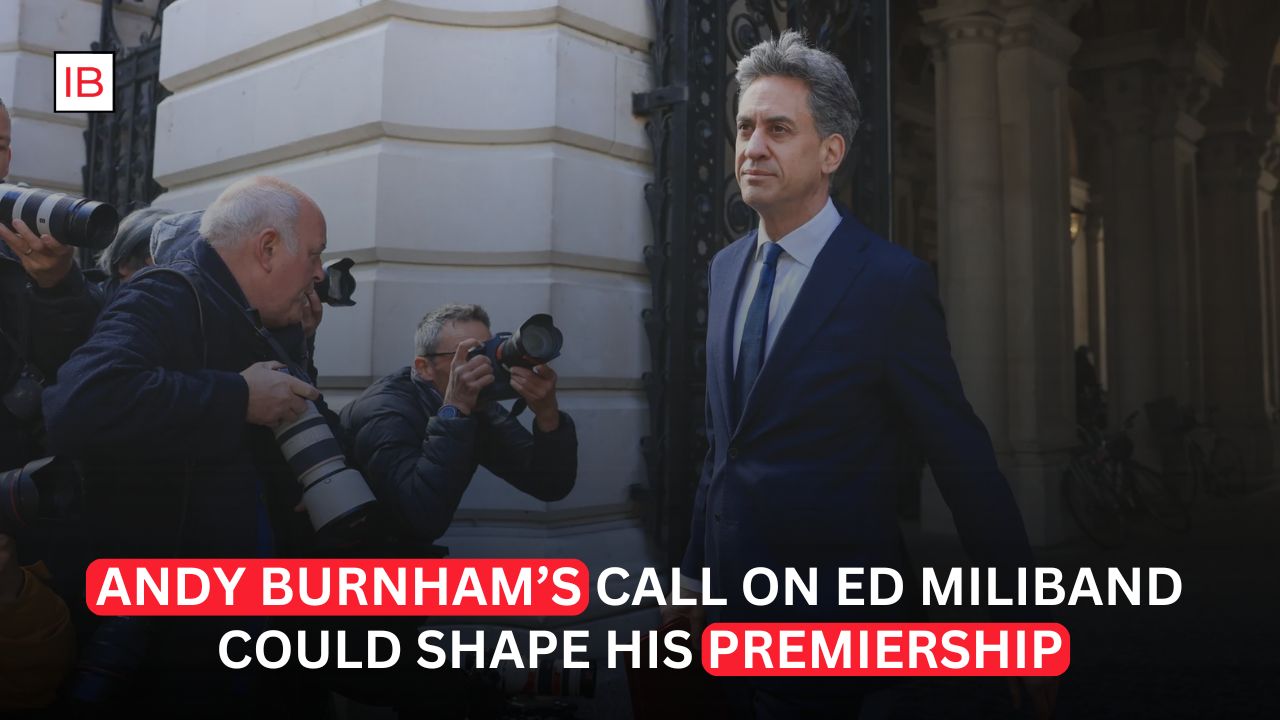
Choice of Chancellor Seen as Defining Early Direction of Potential UK Government
As Andy Burnham prepares to become the United Kingdom’s next prime minister, one of the most closely watched decisions facing his incoming government is whether to appoint Ed Miliband as Chancellor of the Exchequer.
The appointment is viewed as more than a cabinet selection—it could define Burnham’s economic strategy, climate agenda, and relationship with both financial markets and the Labour Party. With investors, businesses, and political observers closely monitoring developments, the choice is expected to influence confidence in the new government’s priorities from its very first days in office.
Chancellor Appointment Carries Major Significance
The Chancellor of the Exchequer is one of the most influential positions in the British government.
Beyond overseeing taxation and public spending, the chancellor plays a central role in shaping fiscal policy, economic growth, government borrowing, and relations with financial markets.
For Burnham, selecting the right person could help establish credibility while demonstrating how his administration intends to balance economic growth with public investment and climate commitments.
Ed Miliband Emerges as a Leading Contender
Ed Miliband has become one of the strongest candidates for the role.
A former Labour leader and current senior cabinet figure, Miliband is widely associated with ambitious climate policies, industrial strategy, and long-term investment in clean energy. Supporters argue that his experience and policy expertise make him well suited to guide Britain’s economic transition toward a lower-carbon economy.
Several political commentators believe Miliband could provide both stability and a clear strategic vision during the early stages of a Burnham government.
Climate and Economic Policies Could Become Closely Linked
A Miliband appointment would likely strengthen the government’s emphasis on green investment.
Supporters believe increased spending on renewable energy, infrastructure, advanced manufacturing, and clean technologies could stimulate economic growth while supporting Britain’s climate objectives.
However, critics argue that balancing ambitious environmental policies with fiscal discipline and energy security will remain one of the government’s biggest challenges.
Investors Are Watching Closely
Financial markets are paying close attention to Burnham’s cabinet choices.
Investors are seeking greater clarity on future tax policy, government spending plans, public borrowing, and business regulation. The identity of the next chancellor is expected to provide important signals about the administration’s economic priorities and approach to fiscal management.
Analysts say early policy decisions could influence market confidence during the transition to the new government.
Labour Faces Internal Balancing Act
The decision also reflects broader dynamics within the Labour Party.
Burnham must balance competing priorities among different factions while assembling a cabinet capable of delivering both political unity and economic credibility. Choosing Miliband could strengthen support among those favoring greater public investment and climate action, while others may prefer a more centrist economic approach.
The appointment is therefore seen as both an economic and political decision.
Challenges Await the Incoming Government
Whoever becomes chancellor will inherit several pressing economic issues.
The next government will face slowing economic growth, pressure on public finances, housing affordability concerns, infrastructure investment needs, and ongoing efforts to improve productivity across the UK economy.
Managing these challenges while maintaining fiscal responsibility will be central to the success of Burnham’s administration.
A Defining Moment for Burnham’s Leadership
Political analysts view the cabinet appointment as one of Burnham’s earliest opportunities to define his premiership.
The selection will shape perceptions among voters, businesses, international investors, and political allies regarding the government’s priorities and governing style.
A well-received appointment could strengthen confidence in the administration, while a controversial choice may invite greater scrutiny during its opening months.
Looking Ahead
Andy Burnham’s decision on whether to appoint Ed Miliband as Chancellor is expected to become one of the defining moments of his transition into office.
The appointment will send a strong signal about the government’s economic direction, climate ambitions, and fiscal priorities. As Britain prepares for new political leadership, investors, businesses, and the public will closely watch how Burnham assembles his cabinet and whether his policy choices can deliver both economic growth and long-term stability.
The choice of chancellor may ultimately shape not only the success of Burnham’s early months in office but also the broader trajectory of his premiership.