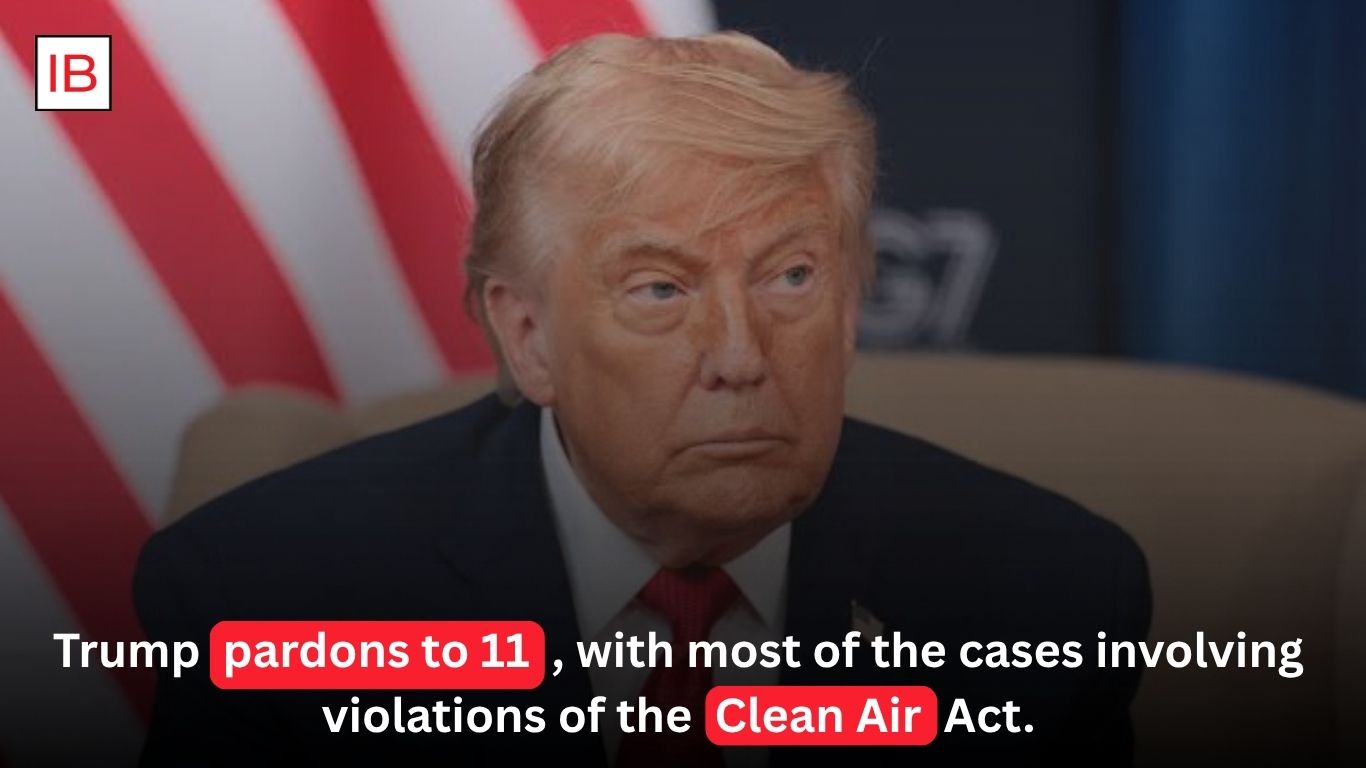
U.S. President Donald Trump has granted pardons to 11 individuals, the majority of whom were convicted of violating the Clean Air Act by tampering with vehicle emissions systems. The move marks another significant use of presidential clemency while reinforcing the administration’s efforts to roll back environmental regulations.
President Donald Trump announced a new round of presidential pardons covering 11 individuals, including nine people convicted of violating the Clean Air Act for modifying or disabling emissions control systems on diesel trucks and other vehicles. Trump argued that the individuals had been unfairly prosecuted under environmental policies implemented during former President Joe Biden’s administration, describing them as victims of excessive government regulation.
The pardons are consistent with Trump’s broader environmental agenda, which has focused on reducing federal emissions regulations and expanding what he describes as consumers’ right to repair and modify their own vehicles.
Majority of Pardons Involved Vehicle Emissions Cases
Most of the individuals receiving clemency had been convicted of installing or selling devices that bypassed federally required emissions control systems on diesel-powered vehicles.
Federal prosecutors argued that these modifications increased harmful air pollution by allowing vehicles to exceed legal emissions limits. The cases were pursued under the Clean Air Act, one of the United States’ primary environmental laws governing air quality.
Trump Calls Convictions Unfair
Trump defended the pardons in a post on his social media platform, saying the recipients had been punished simply for “fixing their car.”
He criticized previous enforcement actions as examples of government overreach and argued that environmental regulations had unfairly targeted mechanics, repair shops, and small business owners involved in vehicle modifications.
Additional Clemency for Fraud Convictions
Beyond the environmental cases, Trump also pardoned Adam Kidan, the former business partner of lobbyist Jack Abramoff, who had previously been convicted of wire fraud in a high-profile corruption scandal.
Another pardon was granted to Jack Harvard, a Texas ranch owner with a decades-old bank fraud conviction. The White House cited his rehabilitation and community contributions as factors supporting the clemency decision.
Environmental Policy Shift Continues
The pardons come as the Trump administration continues to reverse several environmental policies adopted in recent years.
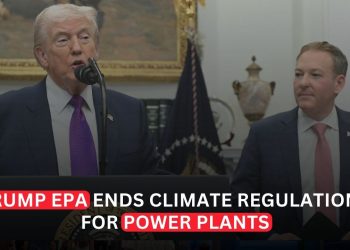
Earlier this year, the administration rescinded the federal greenhouse gas endangerment finding and rolled back vehicle emissions standards, arguing that previous regulations imposed unnecessary costs on businesses and consumers. Environmental organizations have criticized those actions, warning they could increase pollution and slow efforts to combat climate change.
Supporters and Critics React
Supporters of the pardons welcomed the decision, saying it protects mechanics and small businesses from what they consider burdensome environmental regulations.
Critics, however, argued that weakening enforcement of emissions laws could encourage illegal modifications that increase air pollution and undermine public health protections established under the Clean Air Act. Environmental advocates warned that the decision may reduce the deterrent effect of future prosecutions.
Clemency Reflects Trump’s Broader Agenda
The latest pardons continue Trump’s active use of presidential clemency during his second term, often benefiting individuals whom he believes were treated unfairly by the federal justice system.
The decision also underscores the administration’s broader policy direction of reducing environmental regulation, promoting regulatory reform, and expanding executive clemency for cases viewed as involving excessive federal enforcement. As debates over environmental policy and criminal justice continue, the pardons are expected to draw close scrutiny from lawmakers, legal experts, and environmental groups.