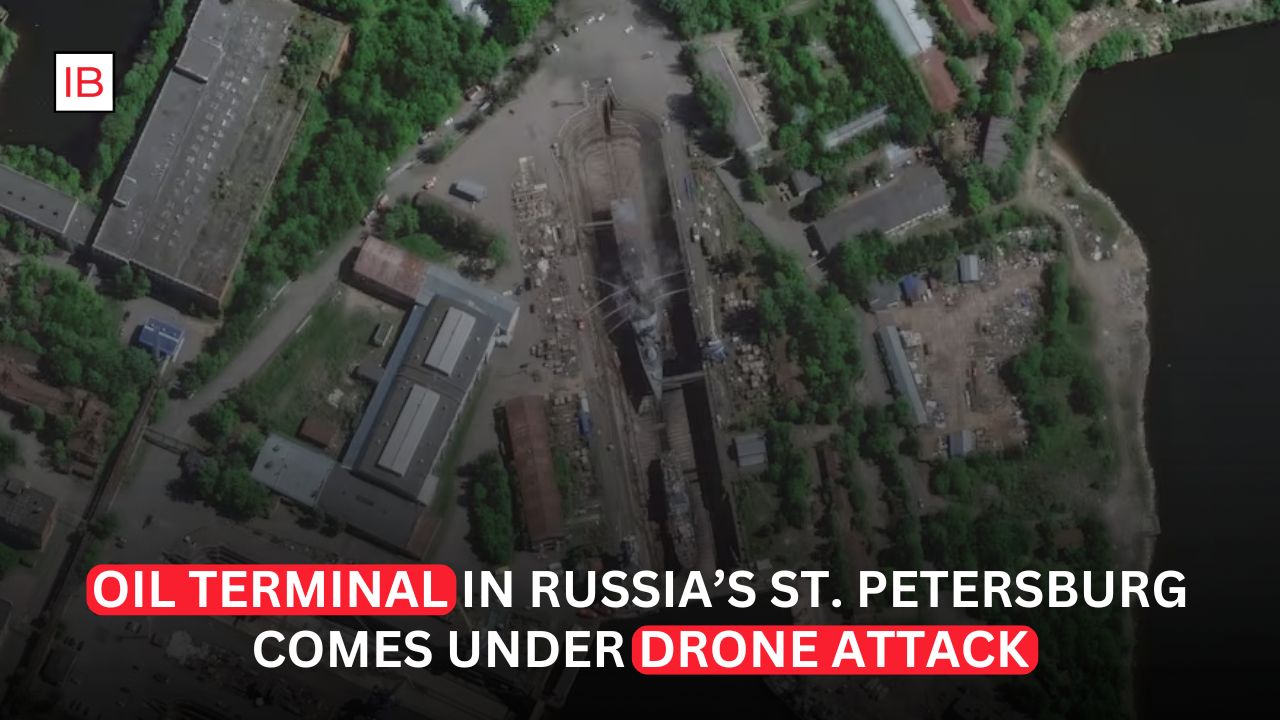
Strike Targets Strategic Baltic Fuel Infrastructure as Ukraine Intensifies Pressure
A major oil terminal near St. Petersburg came under a drone attack, marking another strike on Russia’s critical energy infrastructure as the conflict with Ukraine continues to expand beyond the battlefield.
Russian officials said air defenses responded to the attack, while reports indicated damage and fires at the facility. The latest incident underscores Ukraine’s ongoing strategy of targeting oil export infrastructure, which plays a vital role in financing Russia’s economy and military operations.
Strategic Energy Hub Under Attack
The targeted terminal is part of Russia’s Baltic export network and serves as an important gateway for crude oil and petroleum product shipments.
Facilities around St. Petersburg handle significant volumes of Russian energy exports destined for international markets. Disruptions at these terminals can affect fuel logistics, export capacity, and government energy revenues.
Ukraine Expands Campaign Against Energy Infrastructure
The latest strike follows months of increasingly frequent Ukrainian drone attacks on Russian refineries, oil depots, export terminals, and fuel storage facilities.
Kyiv has focused on weakening Russia’s energy sector by disrupting fuel production and export operations, arguing that energy revenues help finance Moscow’s military campaign. Several major Russian oil facilities have experienced temporary shutdowns following previous attacks.
Russian Air Defenses Respond
Russian authorities reported intercepting multiple drones during the attack, although some reached their intended targets.
Emergency services were deployed to contain fires and assess damage at the oil terminal. Officials did not immediately provide a full assessment of the operational impact, while investigations into the extent of the damage continued.
Pressure on Russia’s Energy Sector Continues
Russia’s oil industry has faced repeated disruptions throughout the year.
Drone attacks on refineries, export terminals, and storage facilities have reduced refining capacity in several regions, forcing temporary production cuts and creating logistical challenges for fuel distribution. The repeated strikes have increased pressure on one of Russia’s most important economic sectors.
Global Energy Markets Remain Alert
Although global oil markets have become more resilient to individual disruptions, attacks on major export infrastructure continue to attract close attention from traders.
Any prolonged interruption at Baltic export facilities could influence shipping schedules, regional fuel supplies, and energy prices, particularly if attacks continue or expand to additional export hubs.
Conflict Increasingly Targets Economic Infrastructure
The strike reflects the growing importance of economic infrastructure in the Russia-Ukraine conflict.
Beyond direct military targets, both sides have increasingly focused on facilities that support logistics, energy production, transportation, and industrial capacity. Analysts say these attacks are intended to reduce an opponent’s ability to sustain long-term military operations.
Looking Ahead
The drone attack on the oil terminal near St. Petersburg highlights the continuing escalation of strikes against Russia’s energy infrastructure.
As Ukraine maintains pressure on key export facilities, Russian authorities are expected to strengthen defenses around strategic energy assets. Meanwhile, global energy markets will continue monitoring developments closely, as repeated attacks on oil infrastructure could have broader implications for fuel supplies, exports, and regional economic stability.