BSP Signals Room for Further Tightening as Inflation Risks Persist
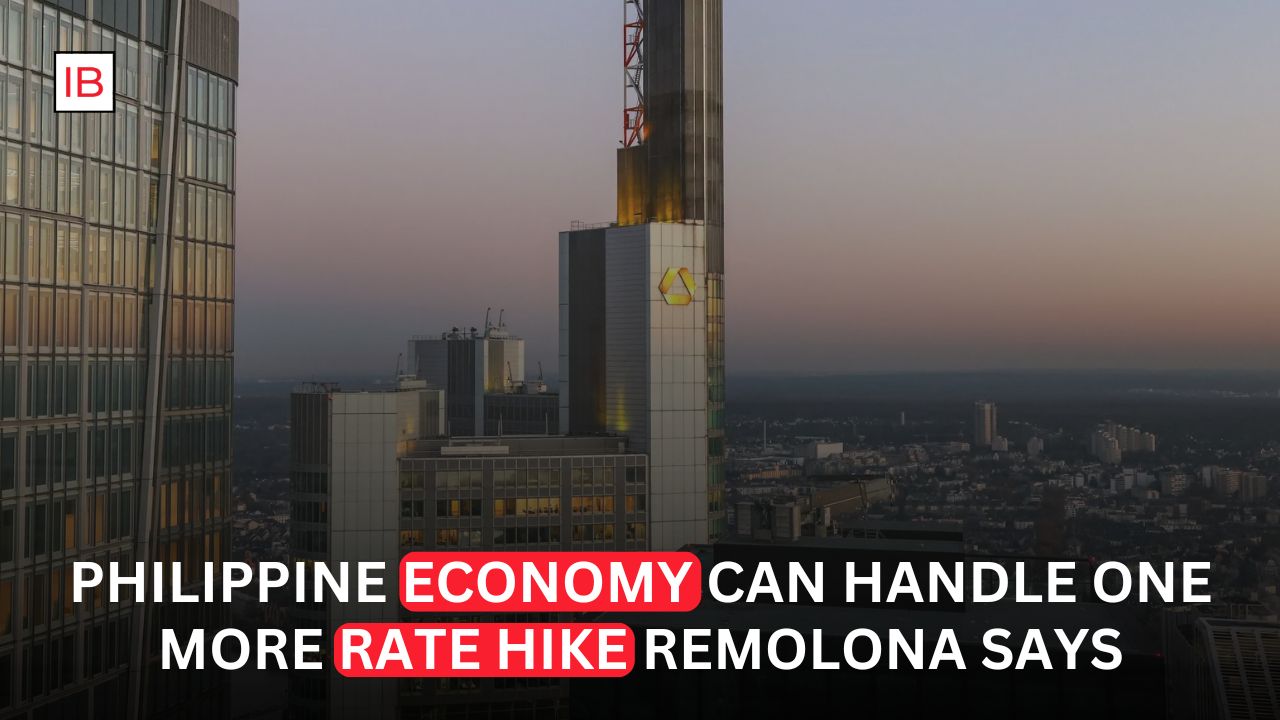
The Philippine economy can absorb at least one more interest rate increase despite slowing growth and external risks, according to Bangko Sentral ng Pilipinas (BSP) Governor Eli Remolona Jr., who said policymakers still have room to tighten monetary policy if inflation pressures remain elevated.
Remolona’s comments underscore the central bank’s continued focus on price stability as global energy shocks and domestic inflation trends keep policy discussions tilted toward a cautious tightening stance.
Economy Can Withstand Further Tightening
Remolona said the Philippine economy remains resilient enough to handle an additional rate hike, even after recent tightening cycles aimed at controlling inflation.
Key points from the central bank stance include:
- Inflation remains above comfort levels
- Policy tightening is still an active tool if needed
- Economic growth is slowing but not collapsing
- External risks, particularly energy prices, remain elevated
The BSP has recently shifted toward a more cautious but still hawkish tone, balancing inflation control with concerns over economic momentum.
Inflation Still the Main Concern
The central bank’s position reflects continued pressure from inflation, which has been driven by:
- Higher global oil prices
- Supply-side disruptions linked to geopolitical tensions
- Elevated food and transport costs
- Weak peso performance against the U.S. dollar
Remolona has previously warned that inflation risks may remain persistent, requiring policymakers to stay flexible on future rate decisions.
Growth Slowing but Still Positive
While inflation remains the focus, economic growth in the Philippines is showing signs of moderation rather than contraction.
Recent indicators suggest:
- Softer consumption growth
- Slower investment activity
- Weaker government spending in some sectors
- Continued resilience in services and remittances
Despite these headwinds, policymakers believe the economy can withstand modest tightening without derailing recovery momentum.
Policy Balancing Act for BSP
The BSP continues to face a delicate policy trade-off:
- Raising rates too much risks slowing growth further
- Holding rates too low risks fueling inflation
- External shocks complicate the policy path
Remolona has repeatedly emphasized that the central bank remains data-dependent and prepared to act if inflation expectations worsen.
Regional Context
The Philippines is not alone in facing difficult monetary conditions.
Across Asia-Pacific:
- Several central banks have tightened policy due to energy-driven inflation
- Currency pressures have forced preemptive rate adjustments in some economies
- Growth forecasts are being revised downward in multiple countries
This regional environment reinforces the BSP’s cautious but flexible approach.
Looking Ahead
The Philippine central bank’s signal that the economy can handle one more rate hike suggests policymakers are not yet ready to declare victory over inflation.
Future policy moves will depend heavily on:
- Global oil price trends
- Inflation trajectory over coming months
- Currency stability
- Domestic growth resilience
For now, the BSP appears committed to maintaining enough policy flexibility to respond quickly if inflation risks reaccelerate, even if that means further tightening in the near term.