Government Adjusts Fiscal Strategy to Support Spending Amid Slower Revenue Growth
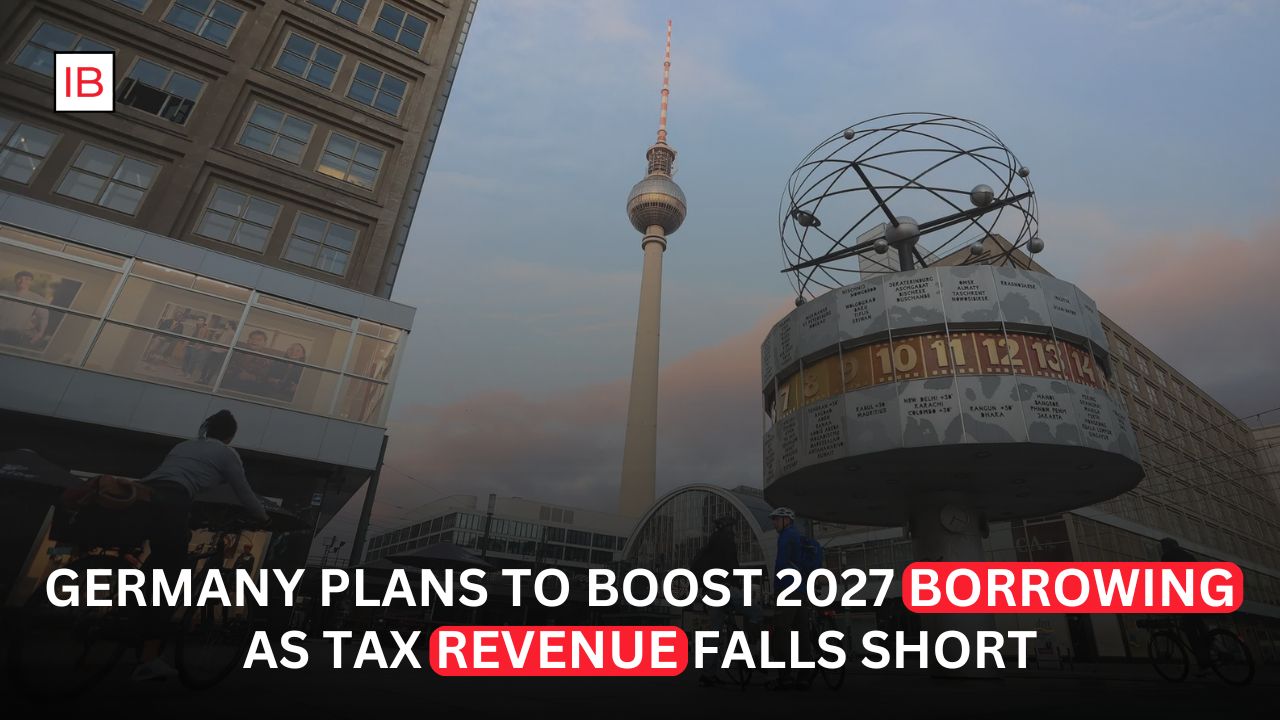
Germany is preparing to increase government borrowing in 2027 after updated projections showed tax revenues will be lower than previously expected, highlighting the fiscal challenges facing Europe’s largest economy as it seeks to revive growth.
The revised borrowing plans come as Chancellor Friedrich Merz’s government balances ambitious investment goals with weaker public finances. Despite slower-than-expected tax collections, Berlin remains committed to expanding spending on infrastructure, defense, digitalization, and economic modernization.
Tax Revenue Forecasts Revised Lower
Germany’s Finance Ministry has updated its medium-term fiscal outlook after estimating that tax receipts will fall short of earlier projections.
The weaker revenue outlook reflects:
- Slower economic growth
- Softer corporate profits
- Weaker consumer spending
- Continued structural pressures on the economy
Lower tax collections have created a funding gap that the government now plans to bridge through additional borrowing rather than significantly reducing planned investments.
Investment Priorities Remain Unchanged
Despite the revenue shortfall, the government intends to maintain its key spending priorities.
Major investment areas include:
- Transport infrastructure
- Defense modernization
- Artificial intelligence
- Semiconductor manufacturing
- Digital transformation
- Energy transition
- Research and innovation
Officials argue these investments are essential for improving Germany’s long-term competitiveness and stimulating future economic growth.
Borrowing to Support Economic Recovery
The increased borrowing forms part of Berlin’s broader strategy to strengthen the economy after several years of weak growth.
Germany has struggled with:
- High energy costs
- Weak industrial production
- Sluggish exports
- Labor shortages
- Slowing manufacturing activity
Policymakers believe maintaining investment during this period is more important than pursuing aggressive fiscal tightening.
Fiscal Discipline Still a Priority
Although borrowing will increase, government officials continue to emphasize Germany’s long-standing commitment to fiscal responsibility.
The administration says additional debt will remain within revised budget frameworks while supporting strategic investments designed to generate higher economic growth over the coming decade.
Finance officials have stressed that borrowing will primarily fund productive investments rather than recurring government expenditures.
Markets Closely Watching German Finances
Germany’s fiscal decisions carry significant importance for financial markets and the broader eurozone.
As Europe’s largest economy and one of the region’s most creditworthy sovereign borrowers, changes in German debt issuance can influence:
- European bond markets
- Interest rate expectations
- Investor confidence
- Eurozone fiscal policy discussions
Investors are expected to closely monitor future borrowing plans as Germany implements its revised budget strategy.
Balancing Growth and Stability
Economists note that Germany faces the difficult task of supporting economic recovery while preserving its reputation for prudent fiscal management.
Many analysts argue that targeted borrowing for infrastructure and productivity-enhancing investments could strengthen the economy over time, provided spending remains focused on long-term growth rather than short-term consumption.
The challenge will be ensuring that higher debt levels remain sustainable if economic growth continues to underperform.
Looking Ahead
Germany’s decision to increase borrowing in 2027 reflects the financial realities of slower tax revenue growth while underscoring the government’s determination to continue investing in the country’s future.
As Berlin pursues ambitious modernization plans, policymakers will need to balance economic stimulus with fiscal discipline. The success of this strategy will depend largely on whether increased public investment succeeds in reigniting growth and expanding Germany’s long-term tax base in the years ahead.