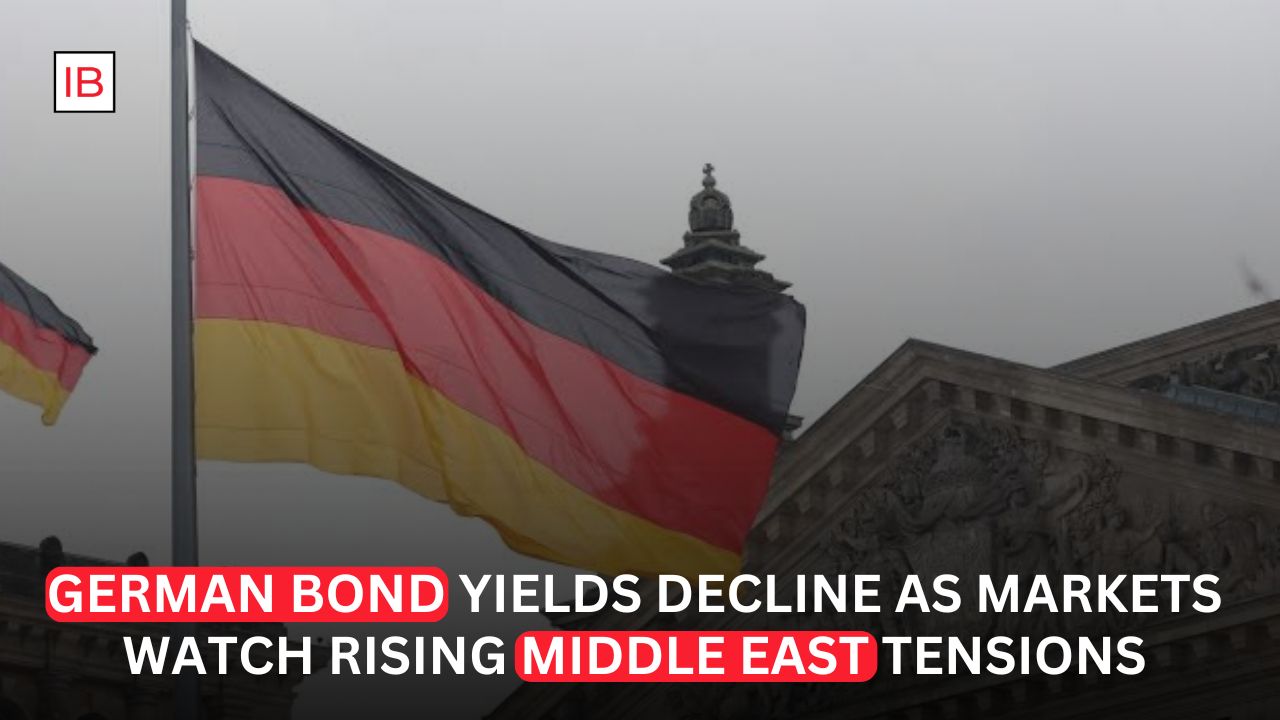
Safe-Haven Demand Increases While Markets Watch Geopolitical Risks
German government bond yields moved lower as investors shifted toward safer assets amid rising tensions in the Middle East, reflecting growing caution across global financial markets.
The decline in yields came as traders closely monitored developments in the Gulf region, where geopolitical uncertainty has increased concerns about energy supplies, inflation, and broader economic stability. As Europe’s benchmark safe-haven debt market, German government bonds attracted fresh investor demand during the period of heightened uncertainty.
Investors Move Toward Safe-Haven Assets
Periods of geopolitical instability often encourage investors to reduce exposure to riskier assets and move capital into government bonds.
German bonds, commonly known as Bunds, are considered among Europe’s safest investments because of Germany’s strong economy and high credit rating.
The latest market movement was driven by:
- Rising geopolitical uncertainty
- Increased demand for government debt
- Reduced appetite for risk assets
- Investor caution ahead of new economic data
As bond prices increased, yields moved lower, reflecting stronger buying activity.
Middle East Developments Influence Global Markets
Financial markets remain highly sensitive to events in the Middle East because of the region’s importance to global energy supplies.
Recent tensions have increased concerns about:
- Oil production
- Shipping routes
- Global trade
- Energy prices
Investors worry that prolonged instability could lead to higher oil prices, potentially increasing inflation and affecting economic growth across Europe and other major economies.
Bond Market Reacts to Inflation Expectations
Although geopolitical risks usually increase demand for safe assets, rising oil prices also create inflation concerns.
Higher energy costs can affect:
- Transportation expenses
- Manufacturing costs
- Consumer prices
- Business operating costs
This creates a complex situation for bond markets, as investors balance safe-haven demand against the possibility that central banks may keep interest rates higher if inflation accelerates.
European Central Bank Remains in Focus
Market participants are also watching signals from the European Central Bank (ECB) regarding future monetary policy.
Recent economic data has shown gradual improvement across parts of the eurozone, but policymakers continue monitoring:
- Inflation trends
- Economic growth
- Labor markets
- Energy prices
Any sustained rise in inflation caused by higher oil prices could influence future ECB interest rate decisions.
German Bonds Continue Acting as Europe’s Safe Haven
German government bonds remain one of the most widely used safe-haven assets during periods of uncertainty.
Institutional investors, pension funds, and global asset managers frequently increase their exposure to Bunds when markets become more volatile.
The latest decline in yields reflects continued confidence in German government debt despite broader uncertainty affecting global financial markets.
Global Investors Watch Multiple Risks
Beyond geopolitical developments, investors continue monitoring several major economic themes.
Current market concerns include:
- Middle East tensions
- Inflation risks
- Global interest rates
- Economic growth
- Energy market volatility
These factors continue influencing currency markets, government bonds, and equity markets worldwide.
European Markets Show Cautious Trading
The decline in German bond yields coincided with relatively cautious trading across European financial markets.
Many investors reduced exposure to higher-risk investments while awaiting further developments from both geopolitical events and central bank officials.
Analysts believe markets may remain volatile until there is greater clarity regarding the situation in the Middle East and its potential impact on the global economy.
Looking Ahead
German government bonds continue serving as a key safe-haven asset whenever geopolitical risks increase.
While investors remain concerned about the possibility of higher inflation caused by rising energy prices, the immediate priority has shifted toward preserving capital during a period of global uncertainty.
Future movements in German bond yields will likely depend on developments in the Middle East, oil price trends, inflation data, and upcoming European Central Bank policy decisions, all of which will shape investor sentiment across global financial markets.