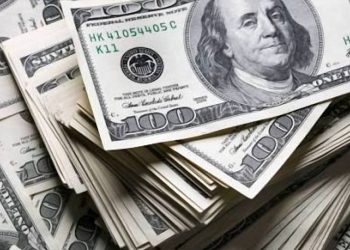
Safe-Haven Demand Supports U.S. Currency as Markets Brace for Inflation Risks
The U.S. dollar remained strong against major global currencies as renewed tensions in the Gulf region pushed oil prices higher and increased expectations that the Federal Reserve may keep interest rates elevated for longer.
Investors moved toward safer assets as geopolitical uncertainty increased, while rising energy costs raised concerns that inflation could return and influence future central bank decisions. The dollar benefited from both safe-haven demand and expectations of tighter U.S. monetary policy.
Gulf Tensions Drive Market Uncertainty
Escalating tensions in the Middle East created fresh concerns across global financial markets.
Investors reacted to:
- Increased military risks in the Gulf region
- Concerns over energy supply disruptions
- Higher oil prices
- Potential inflation pressures
The renewed uncertainty encouraged investors to seek protection in the U.S. dollar, traditionally viewed as a safe-haven currency during periods of global instability.
Oil Prices Surge on Supply Concerns
Oil prices climbed sharply as markets reacted to concerns about possible disruptions in one of the world’s most important energy regions.
Brent crude prices rose after recent tensions, adding pressure on global inflation expectations. Higher oil prices can affect economies through:
- Increased transportation costs
- Higher manufacturing expenses
- Rising consumer prices
- Greater pressure on central banks
The energy market reaction became one of the biggest drivers behind currency and bond market movements.
Fed Rate Hike Expectations Increase
The jump in oil prices has changed investor expectations about U.S. monetary policy.
Markets increased bets that the Federal Reserve could raise interest rates if inflation pressures continue building.
Higher interest rates typically support the dollar because they can attract investors seeking stronger returns from U.S. assets.
Investors are now closely watching:
- Inflation data
- Federal Reserve statements
- Treasury yields
- Energy market developments
Yen Remains Under Pressure
The Japanese yen continued weakening against the dollar as investors favored higher-yielding currencies during the latest market shift.
The dollar traded near 162.41 yen, close to its strongest level since early July, while the yen remained near levels that have raised concerns among Japanese officials.
Market participants are monitoring whether Japanese authorities may intervene to support the currency if further weakness develops.
Treasury Yields Rise as Investors Reprice Risks
U.S. government bond yields moved higher as traders adjusted expectations for future interest rate decisions.
Rising yields reflected concerns about:
- Longer-lasting inflation
- Higher energy costs
- Potential Federal Reserve tightening
The increase in yields also supported demand for dollar-denominated assets.
Other Major Currencies Show Limited Movement
While the dollar strengthened, several major currencies remained relatively stable.
The euro and British pound traded within narrow ranges as investors focused primarily on geopolitical developments and central bank policy expectations.
Meanwhile, commodity-linked currencies showed some resilience as markets evaluated the impact of higher energy prices.
Global Markets Monitor Inflation Threat
The biggest concern for investors is whether rising oil prices will create a new wave of inflation.
Higher energy costs can spread across the economy by increasing:
- Fuel prices
- Business operating costs
- Consumer expenses
- Import costs
If inflation accelerates, central banks may delay rate cuts or consider additional tightening measures.
Looking Ahead
The strength of the U.S. dollar highlights how quickly geopolitical events can reshape global financial markets.
While investors continue watching developments in the Gulf region, the future direction of currencies will depend heavily on oil prices, inflation trends, and Federal Reserve policy decisions.
If energy prices remain elevated, markets may continue favoring the dollar as investors balance economic growth concerns with the risk of higher inflation and interest rates.