Factory Sector Rebounds Strongly Despite Global Economic Challenges
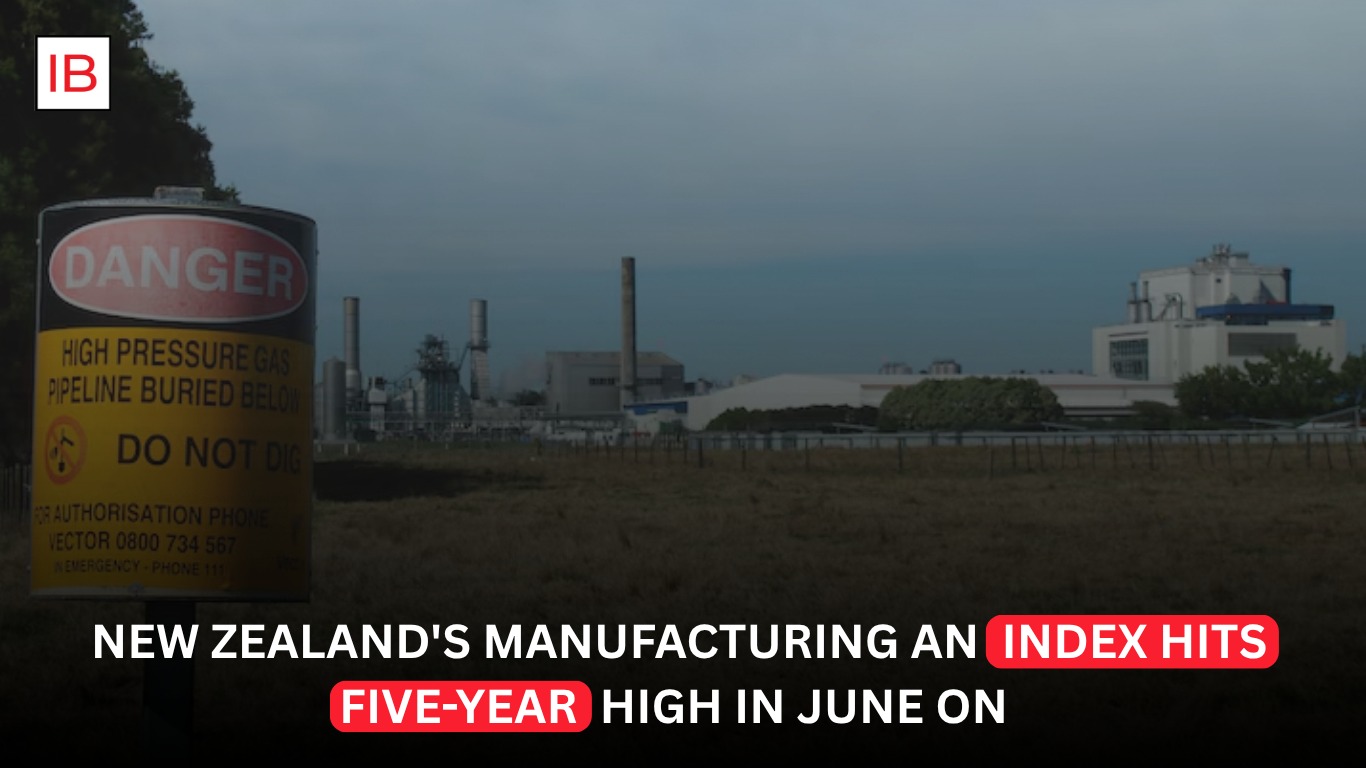
New Zealand’s manufacturing sector recorded its strongest performance in nearly five years in June, signaling a major recovery in business confidence after a prolonged period of weak activity.
The Bank of New Zealand-BusinessNZ Performance of Manufacturing Index (PMI) jumped to 59.7 in June, its highest level since July 2021, compared with a revised reading of 51.3 in May. A PMI reading above 50 indicates that manufacturing activity is expanding, while a reading below 50 signals contraction.
Strong Sales and Orders Drive Manufacturing Recovery
The sharp improvement was supported by stronger sales activity and healthier order books, suggesting manufacturers are seeing renewed demand from customers.
Businesses reported improvements across several areas, including:
- New orders
- Production levels
- Export demand
- Business confidence
- Manufacturing activity
The latest figures represent a significant turnaround after months of weak performance caused by economic uncertainty, high costs, and reduced demand.
Confidence Returns After a Difficult Period
New Zealand manufacturers had faced a challenging environment due to rising operating costs, weaker consumer demand, and global economic pressures.
The June PMI results showed a renewed sense of optimism among businesses as companies became more confident about future growth opportunities.
BusinessNZ Director of Advocacy Catherine Beard described the results as a major positive shift following an extended period of softer manufacturing conditions.
Manufacturing Expands Despite Global Risks
The recovery comes despite ongoing international challenges, including geopolitical tensions and uncertainty in global markets.
Manufacturers continue to monitor risks such as:
- Higher energy prices
- Supply chain disruptions
- Middle East tensions
- Global inflation pressures
- Export market volatility
Despite these obstacles, stronger domestic activity and improved order flows helped push the sector into a much stronger position.
Economic Recovery Gains Momentum
The manufacturing rebound adds to signs that New Zealand’s broader economy is improving.
Recent improvements have also appeared in:
- Consumer confidence
- Export activity
- Business sentiment
- Tourism performance
However, economists remain cautious because households are still dealing with cost-of-living pressures and higher borrowing costs.
Manufacturing Plays Key Role in Growth
Manufacturing remains an important part of New Zealand’s economy, supporting employment, exports, and industrial investment.
Key manufacturing industries include:
- Food processing
- Dairy production
- Machinery
- Technology products
- Industrial goods
A sustained recovery in the sector could provide additional support for economic growth and improve business investment.
Impact on Interest Rate Expectations
The stronger economic data comes as investors closely watch the Reserve Bank of New Zealand (RBNZ) for future policy decisions.
A stronger manufacturing sector could reduce concerns about economic weakness, although policymakers must continue balancing growth with inflation risks.
The central bank is monitoring:
- Inflation trends
- Employment conditions
- Consumer spending
- Business activity
Recent signs of economic recovery may influence expectations about future interest rate movements.
Businesses Remain Cautious About Future Growth
Although confidence has improved, manufacturers still face several challenges.
Companies continue to manage:
- Rising input costs
- International competition
- Labor shortages
- Global demand uncertainty
The next few months will determine whether June’s strong performance represents a temporary improvement or the beginning of a longer manufacturing expansion.
Looking Ahead
New Zealand’s manufacturing sector has delivered one of its strongest performances in years, marking a major improvement in business confidence and economic momentum.
The rise in manufacturing activity suggests that companies are becoming more optimistic about future demand and investment opportunities. However, maintaining this growth will depend on stable global conditions, controlled inflation, and continued improvements in consumer and business confidence.
If the recovery continues, manufacturing could become an important driver of New Zealand’s broader economic growth in 2026.