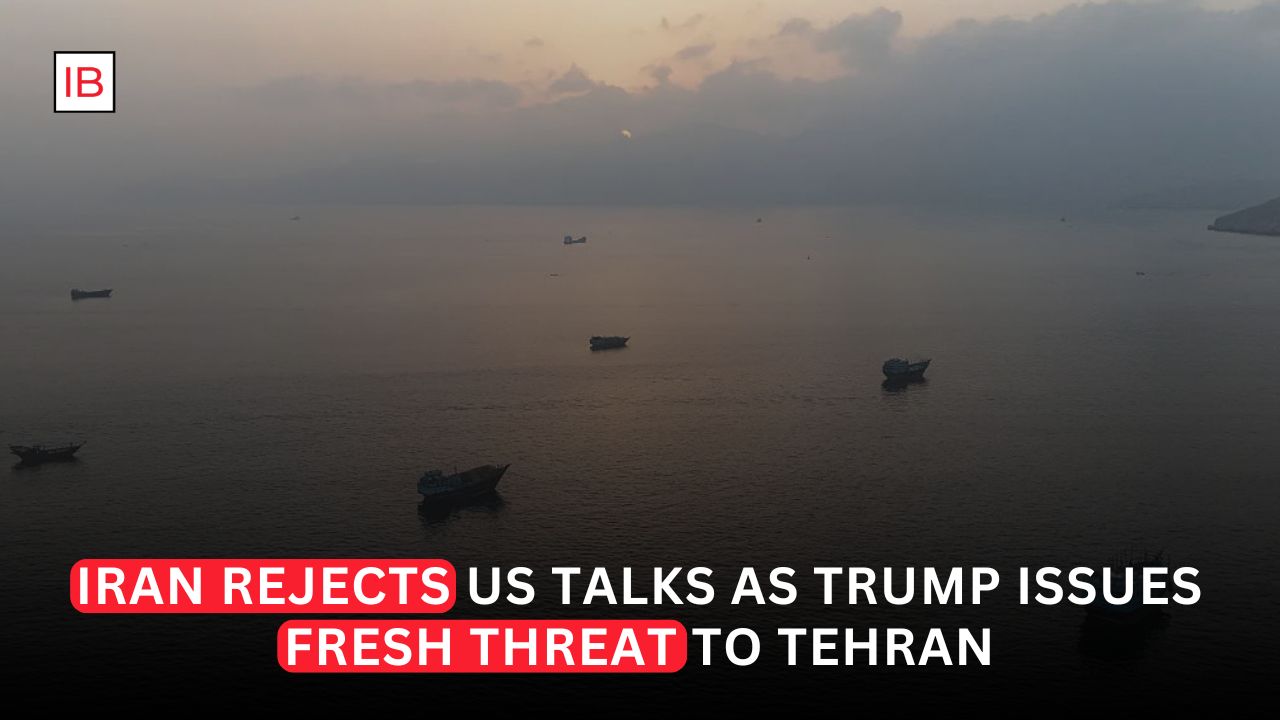
Tehran Says Negotiations Can Resume Only After Guarantees on Sanctions, Security, and Diplomatic Commitments.
Iran has ruled out resuming direct negotiations with the United States unless Washington first meets a series of conditions, signaling that diplomatic efforts to ease tensions remain stalled despite international calls for renewed dialogue.
Iranian officials said the country is prepared to engage in talks only if the United States demonstrates a genuine commitment to diplomacy by addressing Tehran’s concerns over sanctions, security guarantees, and previous agreements. The remarks underscore the significant differences that continue to separate the two sides.
Iran Demands Concrete Commitments
Tehran insists that future negotiations must be based on practical actions rather than political statements.
Iranian officials argue that any new round of talks requires clear assurances that agreements reached during negotiations will be respected and that economic commitments, including sanctions relief, will be implemented effectively.
According to Iranian leaders, trust between the two countries has been weakened by previous diplomatic disputes, making confidence-building measures essential before formal negotiations can resume.
Washington Seeks Diplomatic Solution
The United States has repeatedly expressed support for resolving differences through diplomacy while urging Iran to return to negotiations.
American officials continue to maintain that dialogue remains the best path to addressing regional security concerns and other outstanding issues. However, Washington has not publicly indicated that it is prepared to accept all of Tehran’s demands before talks begin.
Regional Tensions Continue
The latest exchange comes as tensions across the Middle East remain elevated.
Although recent diplomatic efforts have reduced the immediate risk of broader conflict, disagreements over regional security, sanctions, and Iran’s nuclear activities continue to complicate relations between Tehran and Washington.
Analysts say the lack of direct negotiations increases uncertainty for both regional stability and global energy markets.
Sanctions Remain a Major Obstacle
Economic sanctions remain one of the central issues dividing both sides.
Iran continues to seek broader sanctions relief to improve its economy and expand international trade, while the United States has linked any significant easing of restrictions to progress in future negotiations and compliance with international commitments.
The differing positions have made it difficult to establish a framework for meaningful discussions.
International Community Encourages Dialogue
Several countries have continued encouraging both governments to return to the negotiating table, warning that prolonged diplomatic deadlock could increase geopolitical risks.
International observers believe renewed dialogue would help reduce uncertainty surrounding regional security and global energy supplies while lowering the risk of further escalation.
Outlook Remains Uncertain
For now, neither side appears ready to compromise on its core demands.
Diplomatic channels remain open, but officials acknowledge that significant work will be needed before formal negotiations can restart. Until greater progress is made, relations between the United States and Iran are expected to remain cautious, with both governments continuing to pursue their respective strategic objectives.