Shake-Up Leaves Federal Election Assistance Commission Without Leadership Ahead of Midterms
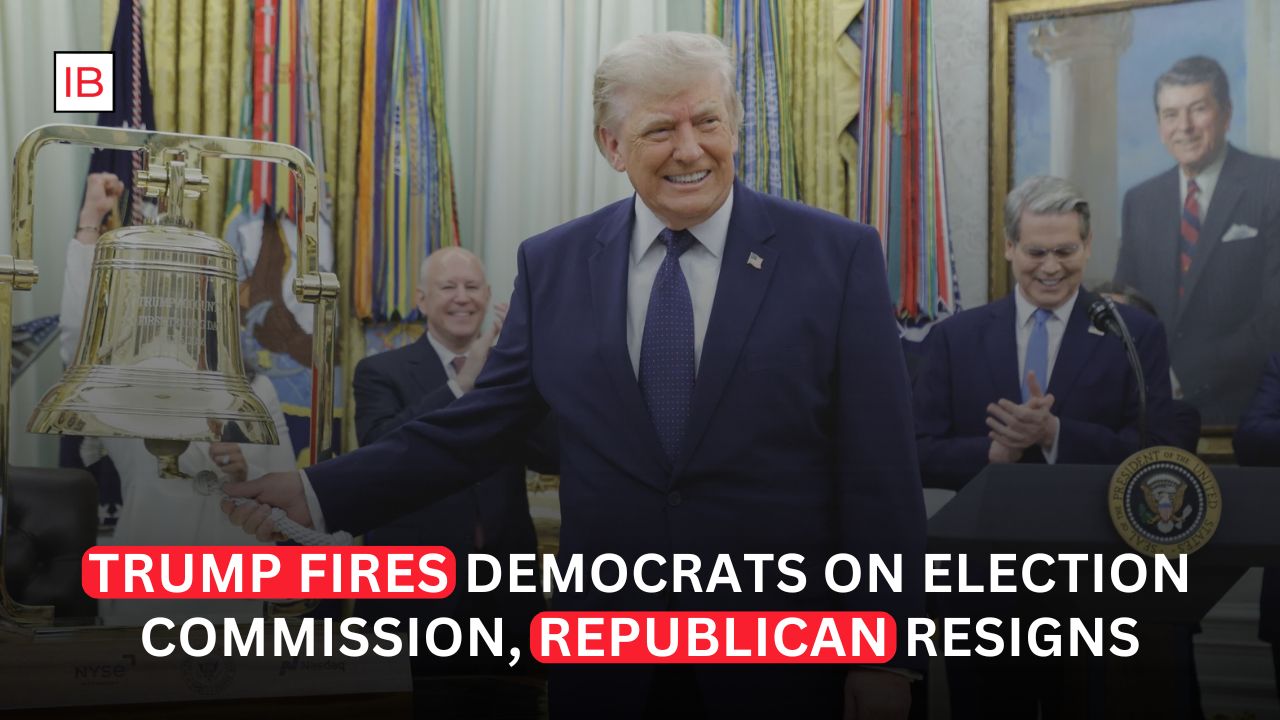
President Donald Trump has removed the Democratic members of the U.S. Election Assistance Commission (EAC) while a Republican commissioner resigned, leaving the independent federal election agency without any active commissioners just months before the 2026 midterm elections.
The move has sparked debate over the future of federal election oversight, with supporters arguing the administration is exercising presidential authority while critics warn it could disrupt election administration during a critical election cycle.
Election Commission Left Without Commissioners
The Election Assistance Commission was created after the 2002 Help America Vote Act to support state and local election officials.
Its responsibilities include:
- Certifying voting systems
- Accrediting voting equipment testing laboratories
- Distributing election guidance
- Maintaining the national mail voter registration form
Following the dismissals and resignations, the commission currently lacks sitting commissioners to oversee these functions.
Democratic Commissioners Dismissed
The White House notified the remaining commissioners through official correspondence.
Those removed included Democratic commissioners who had previously received bipartisan Senate confirmation.
At the same time, Republican commissioner Benjamin Hovland resigned after being asked to step down, leaving the agency without active leadership.
Supreme Court Decision Strengthened Presidential Authority
The dismissals follow a recent U.S. Supreme Court ruling that expanded presidential authority over certain independent federal agencies.
The administration argues that the decision provides legal authority for removing commissioners serving in executive branch agencies.
The White House said the action is part of broader efforts to strengthen election security and improve federal oversight.
Critics Raise Election Concerns
The dismissals have drawn criticism from Democratic lawmakers and election officials.
Opponents argue that removing the commission’s leadership shortly before nationwide elections could:
- Delay election guidance
- Affect voting system certification
- Create administrative uncertainty
- Increase political concerns surrounding election oversight
Some lawmakers called for the administration to nominate replacement commissioners as quickly as possible.
White House Defends Decision
Administration officials defended the move, saying the president is acting within his constitutional authority.
The White House stated that election integrity remains one of its highest priorities and indicated that new appointments could be considered in the future.
Officials also emphasized that individual states remain primarily responsible for administering elections.
States Continue Managing Elections
Although the EAC provides federal support, U.S. elections are largely administered by state and local governments.
State election offices continue overseeing:
- Voter registration
- Polling locations
- Ballot counting
- Election certification
However, the EAC plays an important coordinating role by providing technical standards and nationwide guidance.
Midterm Elections Approach
The leadership changes come only months before Americans vote in the 2026 midterm elections, when control of Congress will again be contested.
Election administration has remained a politically sensitive issue since the 2020 presidential election, with continued debates over:
- Voting procedures
- Election security
- Mail voting
- Federal oversight
The commission’s future structure may become an important political issue as the election approaches.
Looking Ahead
The removal of the Election Assistance Commission’s remaining members marks another significant development in the ongoing debate over federal election oversight.
While the Trump administration argues the move is legally justified and supports stronger executive authority, critics warn that operating without commissioners could complicate federal election administration ahead of the midterms. Attention will now turn toward whether the White House nominates new commissioners and how quickly the Senate considers those appointments.