Investors Closely Watch Inflation Report and Fed Chair’s Signals for Clues on Interest Rates
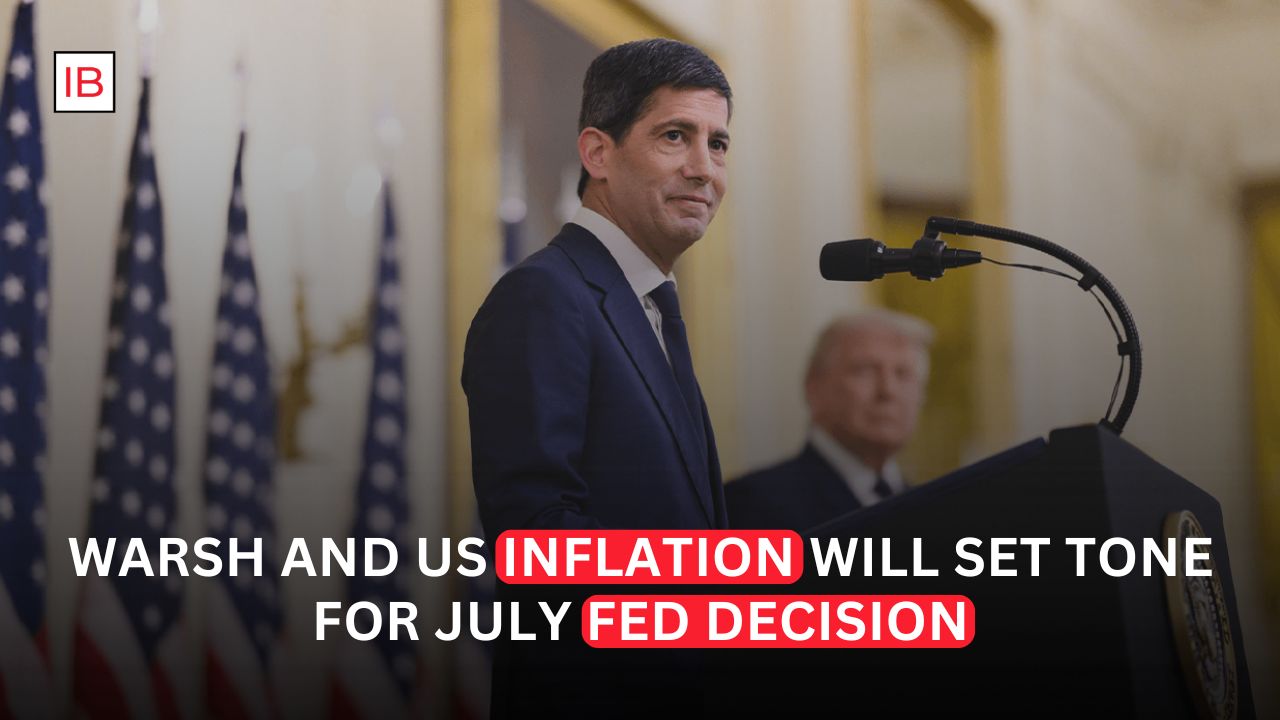
Financial markets are closely watching Federal Reserve Chair Kevin Warsh and the upcoming U.S. inflation report, as both are expected to play a crucial role in determining the Federal Reserve’s interest rate decision later this month.
Following the Fed’s decision to keep interest rates unchanged at its June meeting, policymakers remain divided over the outlook for inflation. The July Consumer Price Index (CPI) report is expected to provide important evidence on whether inflationary pressures are easing or remain persistent.
Inflation Data Takes Center Stage
The June CPI report, scheduled for release before the Fed’s policy meeting, is widely viewed as one of the most important economic indicators this month.
Economists will closely monitor:
- Headline inflation
- Core inflation
- Monthly price increases
- Consumer spending trends
- Energy price movements
While lower energy prices may help reduce headline inflation, analysts believe core inflation—which excludes food and energy—could remain elevated and continue influencing the Fed’s policy decisions.
Warsh Maintains Focus on Price Stability
Since becoming Federal Reserve Chair, Kevin Warsh has emphasized the central bank’s commitment to restoring inflation to its long-term target.
Although Warsh has largely avoided providing detailed forward guidance, he has repeatedly stressed that maintaining price stability remains the Fed’s highest priority while carefully balancing risks to economic growth.
Markets Search for Rate Clues
Investors are looking for signals on whether the Federal Reserve could adjust interest rates in the coming months.
Several factors will influence expectations, including:
- Inflation readings
- Labor market conditions
- Consumer spending
- Economic growth
- Financial market stability
A stronger-than-expected inflation report could reinforce expectations that the Fed will maintain higher interest rates for longer, while softer inflation could strengthen hopes for future policy easing.
Why Inflation Matters to the Federal Reserve
The Federal Reserve aims to maintain price stability while supporting maximum employment.
Higher inflation can reduce consumers’ purchasing power and increase borrowing costs, prompting the central bank to keep interest rates elevated.
Conversely, easing inflation may provide policymakers with greater flexibility to adjust monetary policy if economic conditions weaken.
Policymakers Remain Divided
Minutes from the Federal Reserve’s latest meeting revealed differing opinions among policymakers regarding the future direction of interest rates.
Some officials remain concerned that inflation could stay above the Fed’s target, while others believe recent price pressures may gradually ease as energy costs decline and supply conditions improve.
This divergence has increased uncertainty surrounding the Fed’s next policy move.
Financial Markets Remain Sensitive
Investors across global equity, bond, and currency markets are expected to react quickly to both the inflation data and any comments from Federal Reserve officials.
Key sectors likely to experience increased volatility include:
- Banking
- Technology
- Real estate
- Consumer discretionary
- Fixed-income markets
Changes in interest rate expectations can significantly affect borrowing costs, corporate earnings, and overall investor sentiment.
Looking Ahead
The combination of fresh inflation data and Kevin Warsh’s policy outlook will likely set the tone for the Federal Reserve’s July meeting. While recent economic indicators suggest some easing in price pressures, persistent core inflation continues to present challenges for policymakers.
Until the inflation report is released, financial markets are expected to remain cautious, with investors closely evaluating every new economic signal for clues about the future path of U.S. interest rates