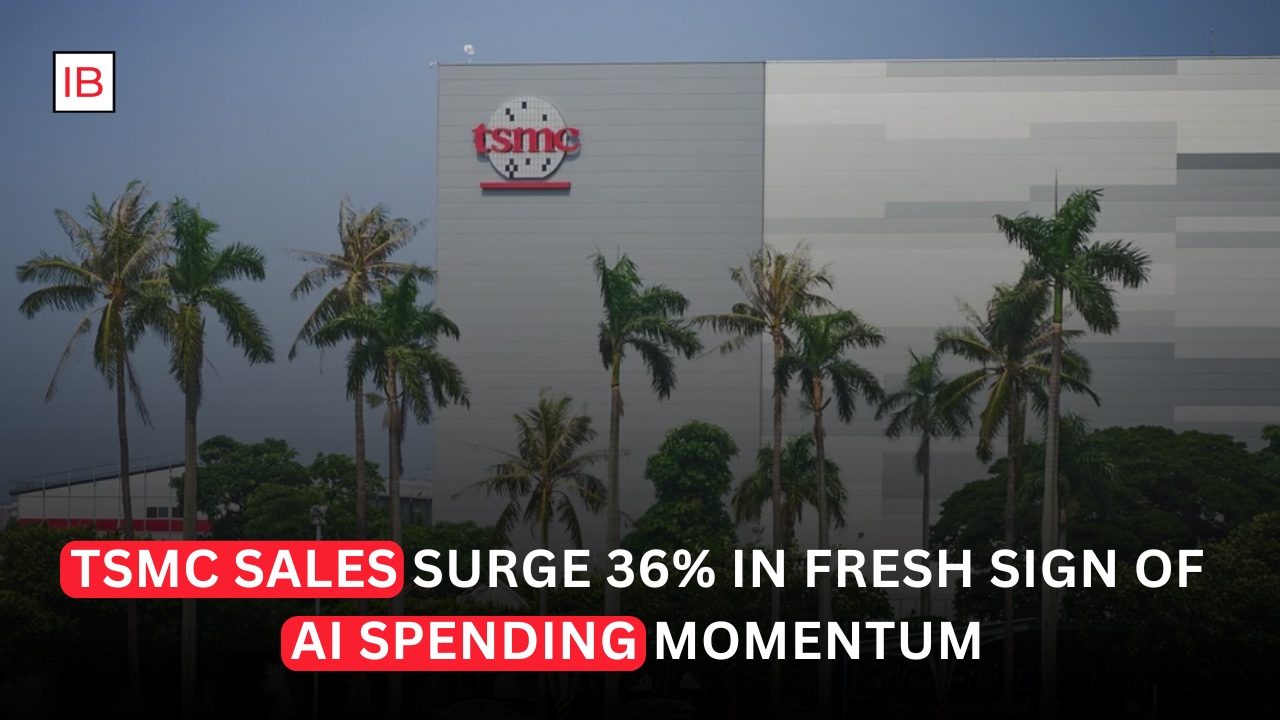
Record Quarterly Revenue Highlights Strong Global Spending on Artificial Intelligence Infrastructure
Taiwan Semiconductor Manufacturing Company (TSMC) reported a 36% year-over-year increase in second-quarter revenue, delivering record sales as booming demand for artificial intelligence (AI) chips continues to drive growth across the semiconductor industry.
The world’s largest contract chipmaker generated NT$1.27 trillion (approximately US$39.6 billion) in second-quarter revenue, surpassing market expectations and reinforcing its position at the center of the global AI supply chain.
AI Demand Continues to Drive Growth
TSMC has emerged as one of the biggest beneficiaries of the AI revolution, manufacturing advanced chips for some of the world’s largest technology companies.
The surge in AI investment has fueled demand for:
- AI processors
- High-performance computing chips
- Data center semiconductors
- Advanced packaging technologies
- High-bandwidth memory solutions
As businesses continue investing heavily in AI infrastructure, chip demand has remained exceptionally strong.
Record Revenue Beats Expectations
The company’s quarterly revenue exceeded analyst estimates, reflecting continued strength in orders from leading technology firms.
June alone delivered particularly impressive results, with revenue rising nearly 68% compared with the same month last year, highlighting the accelerating pace of AI-related spending.
The strong performance comes ahead of TSMC’s quarterly earnings report, where investors will closely monitor profit margins and future guidance.
TSMC Remains at the Center of the AI Supply Chain
TSMC manufactures advanced semiconductors for many of the world’s biggest technology companies, making it one of the most important players in the global electronics industry.
Its customers include companies developing:
- Artificial intelligence platforms
- Smartphones
- Cloud computing services
- High-performance graphics processors
- Advanced consumer electronics
The company’s manufacturing capabilities have made it a critical supplier as AI adoption continues expanding worldwide.
Investors Await Earnings Outlook
While the strong revenue figures have boosted investor confidence, attention is now shifting toward TSMC’s upcoming earnings announcement.
Markets will closely watch for updates on:
- Revenue forecasts
- AI chip demand
- Capital expenditure plans
- Production capacity
- Customer order trends
Management’s outlook is expected to provide valuable insight into the future direction of the semiconductor industry.
AI Spending Shows No Signs of Slowing
The latest sales figures suggest that investment in artificial intelligence infrastructure remains robust despite concerns about broader economic uncertainty.
Technology companies continue expanding AI capabilities through increased spending on:
- Data centers
- AI servers
- Cloud infrastructure
- Advanced semiconductors
- Machine learning hardware
This investment cycle continues benefiting chip manufacturers across the global supply chain.
Semiconductor Industry Outlook Remains Strong
Industry analysts believe TSMC’s results serve as an important indicator of the overall health of the semiconductor market.
Strong demand for advanced chips is expected to continue supporting growth as AI applications expand across industries including healthcare, finance, manufacturing, and consumer technology.
However, investors remain attentive to potential risks such as geopolitical tensions, supply chain challenges, and changes in technology spending.
Looking Ahead
TSMC’s record quarterly revenue underscores the continued strength of the global AI investment boom and reinforces the company’s central role in semiconductor manufacturing. As demand for advanced chips continues to grow, investors will closely watch the company’s upcoming earnings report for further insight into the outlook for AI spending and the broader technology sector.
With artificial intelligence driving one of the strongest investment cycles in years, TSMC appears well positioned to remain a key beneficiary of the industry’s long-term expansion.