The conflict between the United States and Iran has entered a dangerous new phase, with the fragile truce reached last month effectively collapsing as both sides trade threats over control of one of the world’s most critical waterways — the Strait of Hormuz.
From Ceasefire to Renewed Confrontation
Following a memorandum of understanding reached in June 2026 that was meant to end the broader Iran war and reopen the strait, tensions reignited when Iran repeatedly threatened and attacked ships passing through the Strait of Hormuz, apparently seeking to force commercial vessels and the international community to follow routes and protocols set by Tehran that would let it control the strait and collect passage fees. This provoked a sharp American response, particularly after three vessels were attacked on July 6 and 7, prompting President Trump to declare that he considered the truce over.
Although Trump initially suggested the exchange of fire would not escalate into sustained military action, the situation instead deteriorated significantly in the days that followed.
Trump’s “Bridge or Power Plant” Warning
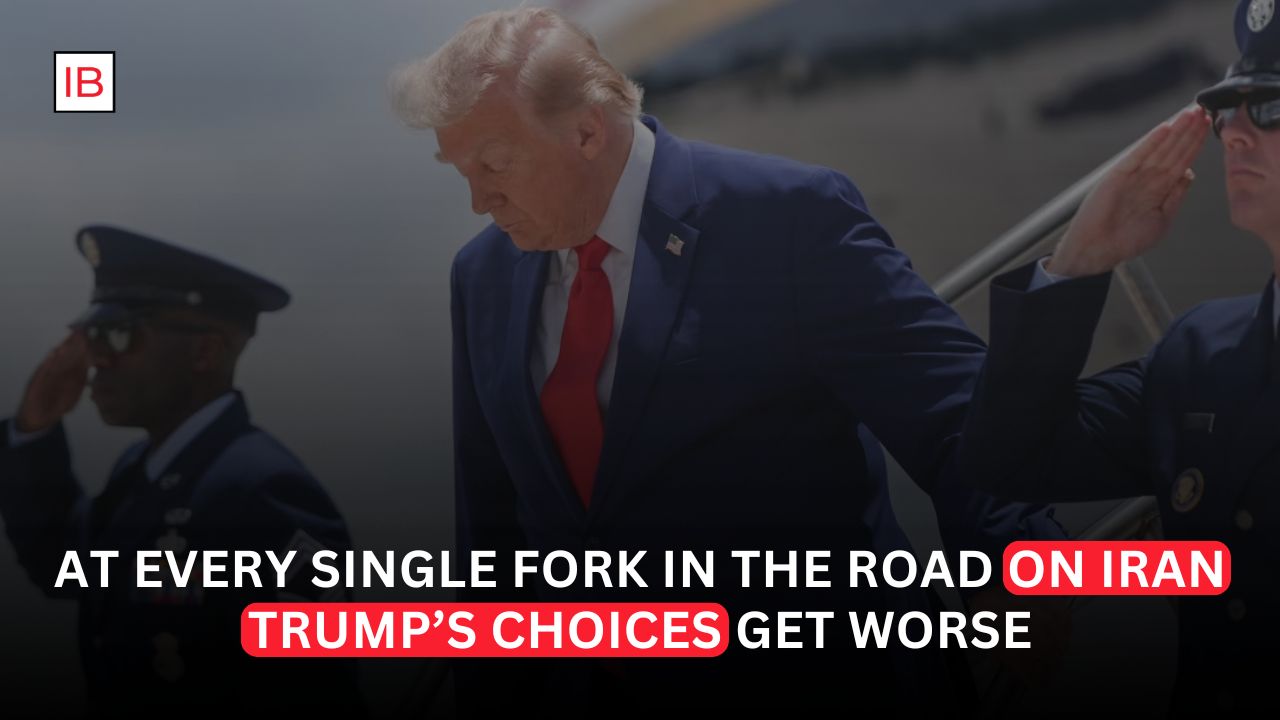
In one of the most striking developments, Trump issued a warning that every time Iran fires on a ship in the Strait of Hormuz — whether by missile, rocket, drone, or any other weapon — the United States will destroy one Iranian bridge or power plant, potentially including facilities located near or within Tehran itself. This ultimatum marked a significant escalation in rhetoric, directly linking Iranian naval aggression to strikes on the country’s domestic infrastructure.
Secretary of State Marco Rubio reinforced this position, stating that Iran had effectively killed the memorandum of understanding meant to keep the strait open after Tehran allegedly attacked multiple commercial vessels, even as he maintained the U.S. remained open to diplomacy. Rubio emphasized that the Strait of Hormuz is an international waterway, comparing it to the South China Sea, and insisted all commercial ships must have free and unmolested passage with no tolls or restrictions.
Strikes, Threats, and Regional Spillover
The confrontation has not remained confined to the strait. Trump has vowed that the U.S. will destroy a bridge or power plant every time Iran targets a ship transiting Hormuz, while Iranian officials have countered that they will strike infrastructure and energy facilities across the region in response. Adding to the volatility, Iran’s Revolutionary Guards claimed an oil tanker caught fire following an explosion in the waterway, while Yemen’s Iran-backed Houthi rebels claimed responsibility for striking two Saudi oil tankers in the Red Sea after announcing a naval blockade on Saudi shipping.
The human cost has also mounted. Trump attended a dignified transfer ceremony for four U.S. service members killed during the conflict, underscoring the war’s escalating toll even as diplomatic channels remain technically open.
A Blockade Already in Place
Compounding the crisis, the U.S. has maintained an active naval blockade against Iran since mid-April 2026, aimed at intercepting vessels entering or leaving Iranian ports. According to U.S. Central Command figures, the blockade has led to three ships being seized and 85 vessels intercepted, while Lloyd’s List estimates 26 vessels have managed to bypass it — with the operation reportedly costing Iran roughly $500 million per day. Iran has retaliated in kind, seizing two cargo ships of its own.
Global Stakes
Analysts note that the strait’s strategic importance cannot be overstated, given that it serves as the transit route for approximately a fifth of global oil supplies. With neither side showing clear signs of backing down — and with international allies largely declining direct military involvement — the standoff over Hormuz threatens to reshape global energy markets and regional stability for months to come. Diplomatic efforts continue in parallel with the military escalation, but as of late July 2026, no durable resolution appears imminent.