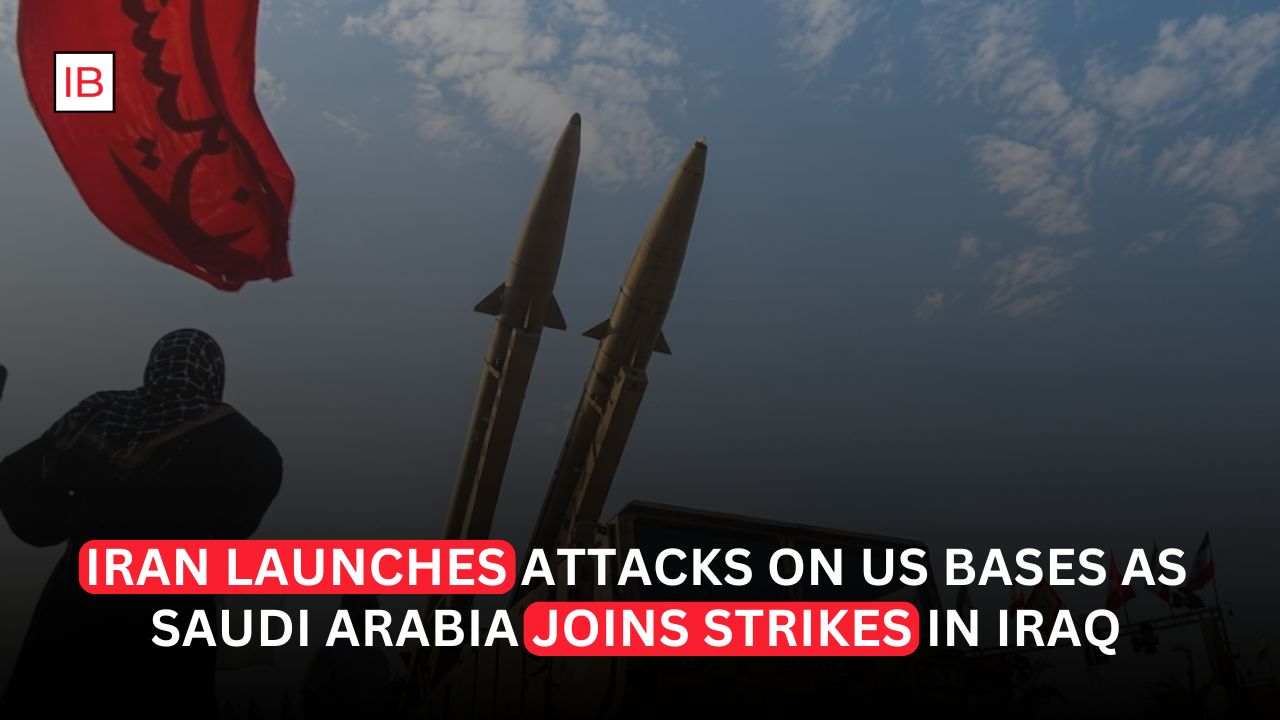
A brief lull in the Iran war shattered overnight as Tehran fired ballistic missiles at American forces across the Middle East, prompting the United States and, notably, Saudi Arabia to launch joint retaliatory strikes against Iran-backed militias inside Iraq.
A Ceasefire That Didn’t Last
The renewed violence came just days after the United States and Iran had paused hostilities at the end of last week to give diplomatic efforts another chance, a de-escalation that had contributed to a significant drop in global energy prices. That fragile calm collapsed abruptly overnight, with U.S. Central Command confirming that Iranian Revolutionary Guard Corps forces launched multiple ballistic missiles in what CENTCOM described as an attempted “surprise attack” on American forces stationed across the region. According to Iran’s Revolutionary Guards, the missiles were aimed at U.S. air bases and a American military Central Command facility in Jordan, with a U.S. official characterizing it as “a major attack” involving at least four ballistic missiles directed at a single base in Jordan alone.
Jordanian air defenses intercepted five of the incoming missiles, according to the country’s state news agency, limiting the damage from the strike.
Saudi Arabia Enters the Fight Directly
In a significant escalation of the kingdom’s involvement in the conflict, Saudi Arabia’s military joined U.S. forces in conducting precision airstrikes against Iran-aligned militia targets across eastern Iraq. CENTCOM said the joint strikes targeted groups that the IRGC had directed to attack both U.S. forces and Saudi energy infrastructure, describing the operation as “a strong response to over 30 IRGC-directed aerial drone attacks in the last 72 hours.” A U.S. official said the IRGC had been directing attacks against Saudi partners since the previous weekend without provocation.
This marks the first time Riyadh has publicly claimed responsibility for conducting strikes inside Iraq since the war between the U.S. and Iran began in late February. Saudi Arabia has been targeted repeatedly by Iranian strikes and Iranian-backed proxies throughout the conflict, including attacks on its energy infrastructure and near-misses on facilities such as the Prince Sultan Air Base and Riyadh’s airport, but the kingdom had largely refrained from direct military retaliation until now.
A Pattern of Escalating Regional Involvement
Saudi Arabia’s shift toward more active military participation reflects a broader pattern that has developed over the course of the conflict. The kingdom has faced sustained pressure from Iranian strikes on its oil infrastructure, including attacks on refineries and drone strikes near critical energy facilities, while Iranian-backed Houthi rebels in Yemen have separately targeted shipping near the Red Sea, adding further strain on Saudi security and economic interests. That mounting pressure appears to have pushed Riyadh from a largely defensive posture toward a more direct role in confronting Iran-aligned forces operating in neighboring Iraq.
The Toll of a Widening War
Since the war began with U.S. and Israeli strikes on Iran in late February, the conflict has produced a mounting toll of military and civilian casualties across the region. Saudi Arabia alone has reported both civilian and military casualties from Iranian strikes over the course of the war, while incidents involving American forces, including previous missile attacks on U.S. bases in the region, have added to the human cost on the American side as well.
Why This Matters for Markets and Diplomacy
The overnight escalation is likely to reverse at least some of the recent decline in energy prices that followed last week’s pause in hostilities, given the direct threat the renewed fighting poses to regional oil infrastructure and shipping routes. It also raises fresh questions about the durability of any future ceasefire efforts, given how quickly this latest attempt at de-escalation unraveled once Iran resumed direct attacks on American positions.
What Comes Next
With Saudi Arabia now directly engaged in offensive operations against Iran-aligned forces for the first time in the conflict, and with Iran continuing to demonstrate its willingness to strike U.S. targets even during periods of diplomatic engagement, the path toward a lasting resolution appears increasingly uncertain. How Washington, Tehran, and their respective regional allies respond in the coming days will likely determine whether this marks a temporary flare-up or a more permanent collapse of the recent diplomatic momentum.