President Donald Trump called off a planned new wave of strikes on Iran over the weekend, citing appeals from Gulf allies and the prospect of an imminent deal to reopen the Strait of Hormuz, though Iran has pushed back on the specific timing and framing of renewed negotiations with Washington.
Trump’s Reversal
Trump said Saturday he had agreed to cancel the planned attack, posting on Truth Social that the decision was “subject to being able to rapidly make a DEAL,” and urging all parties involved to “get to work” and finalize an agreement. Speaking aboard Air Force One on Sunday, Trump said he had called off the strikes at the specific request of Saudi Arabia, the United Arab Emirates, Qatar, and Iran itself, describing a prospective agreement covering both the reopening of Hormuz and Iran’s nuclear program as “imminent.” He added that the U.S. remained “ready to go” and could resume strikes at any time if talks failed to produce results.
Mixed Signals Over Monday’s Talks
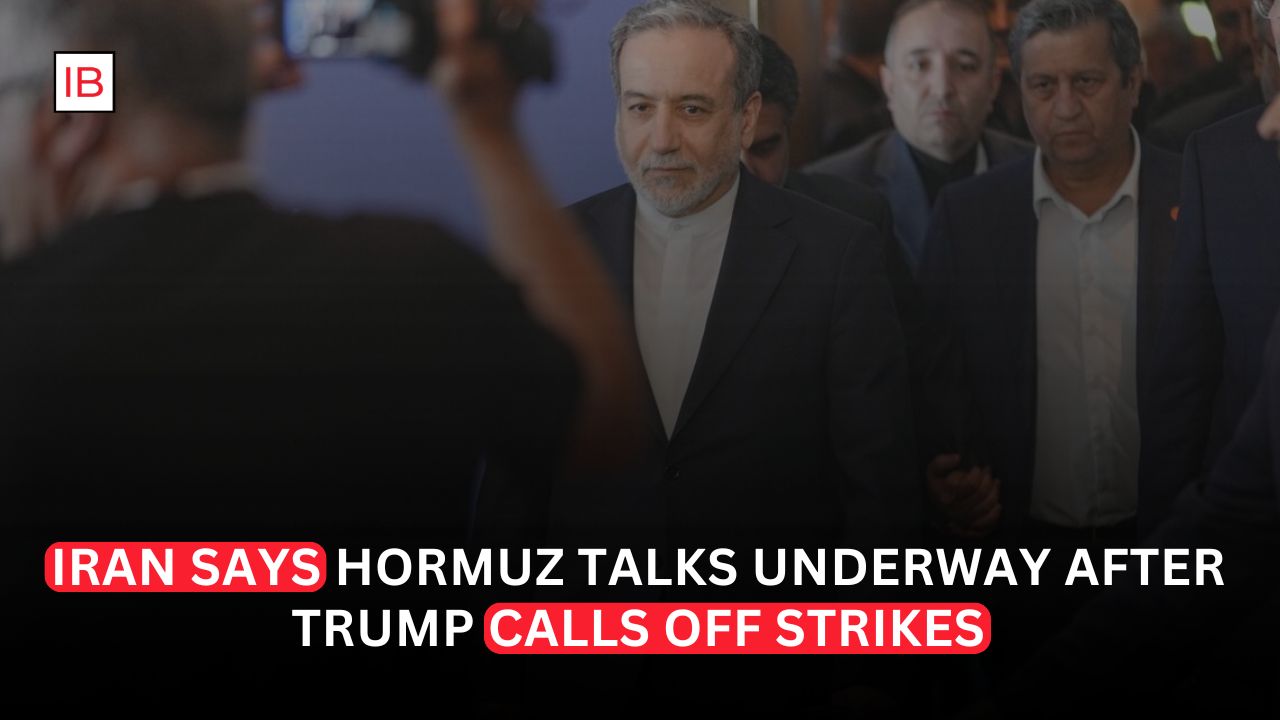
While Trump said negotiations between the U.S. and Iran would begin Monday afternoon, Iran offered a notably different account, saying it was not currently engaged in direct talks with Washington but was instead in active discussions with Oman over establishing a temporary safe shipping route through the Strait of Hormuz. Iran’s Foreign Minister Abbas Araghchi said those talks with Oman were in their “final stages” and “on the way to being finalized,” according to state media, while notably avoiding confirmation of any direct U.S.-Iran meeting on the timeline Trump described.
What a Potential Deal Would Include
According to an official involved in the mediation effort, the emerging proposal calls for reopening the Strait of Hormuz and halting attacks across the region, including strikes by Iranian-backed militias in Iraq targeting Gulf Arab countries and Jordan. In exchange, the United States would end its naval blockade on Iranian ports and allow Tehran to resume oil exports, consistent with terms outlined in an earlier tentative ceasefire agreement. The official cautioned that no deal had actually been reached as of the weekend, though mediation efforts were continuing. Trump separately said Israel had committed to ending the war by implementing the ceasefire agreement originally reached in June, though Israeli officials did not immediately comment publicly on the announcement.
A Weekend of Escalating Attacks Preceded the Pause
Trump’s decision to hold off on new strikes came after a period of intensifying violence across the Gulf. Kuwait reported Saturday that Iranian forces had launched a wave of drones into its airspace, with its military destroying multiple aircraft after Iran targeted critical infrastructure in the country’s north. Iran’s Revolutionary Guard Corps separately claimed it had struck two tankers attempting to transit the Strait of Hormuz under U.S. military escort, saying the “non-compliant” vessels were stopped while four others reversed course. U.S. Central Command reported it had redirected 24 commercial vessels since reinstating its naval blockade on Iranian ports earlier in the month.
Saudi Arabia’s de facto leader, Crown Prince Mohammed bin Salman, reportedly raised concerns directly with Trump in a Saturday phone call about the risk of the conflict escalating further, a conversation that appears to have factored into Trump’s decision to pause the planned strikes.
A Pattern of Repeated Deadlines and Extensions
This is not the first time Trump has paused planned military action against Iran in favor of continued negotiations. Back in March, Trump extended a deadline for Iran to reopen the Strait of Hormuz by five days, citing productive discussions between American and Iranian officials at the time and expressing optimism about reaching a complete resolution, an optimism that ultimately did not prevent the conflict from continuing for months afterward. That earlier pattern of extended deadlines and stalled follow-through has left some observers cautious about how quickly this latest round of diplomatic momentum might actually translate into a durable ceasefire.
What Comes Next
With Iran continuing separate negotiations with Oman over Hormuz shipping even as it disputes the specifics of direct talks with Washington, and with Trump maintaining that military options remain on the table if diplomacy stalls, the coming days will test whether this weekend’s de-escalation represents genuine progress toward ending the war or simply another temporary pause in a conflict that has repeatedly cycled between diplomatic overtures and renewed military confrontation since fighting began in late February.