President Highlights Economy, Jobs, and Tax Policy While Parties Prepare for High-Stakes Congressional Elections
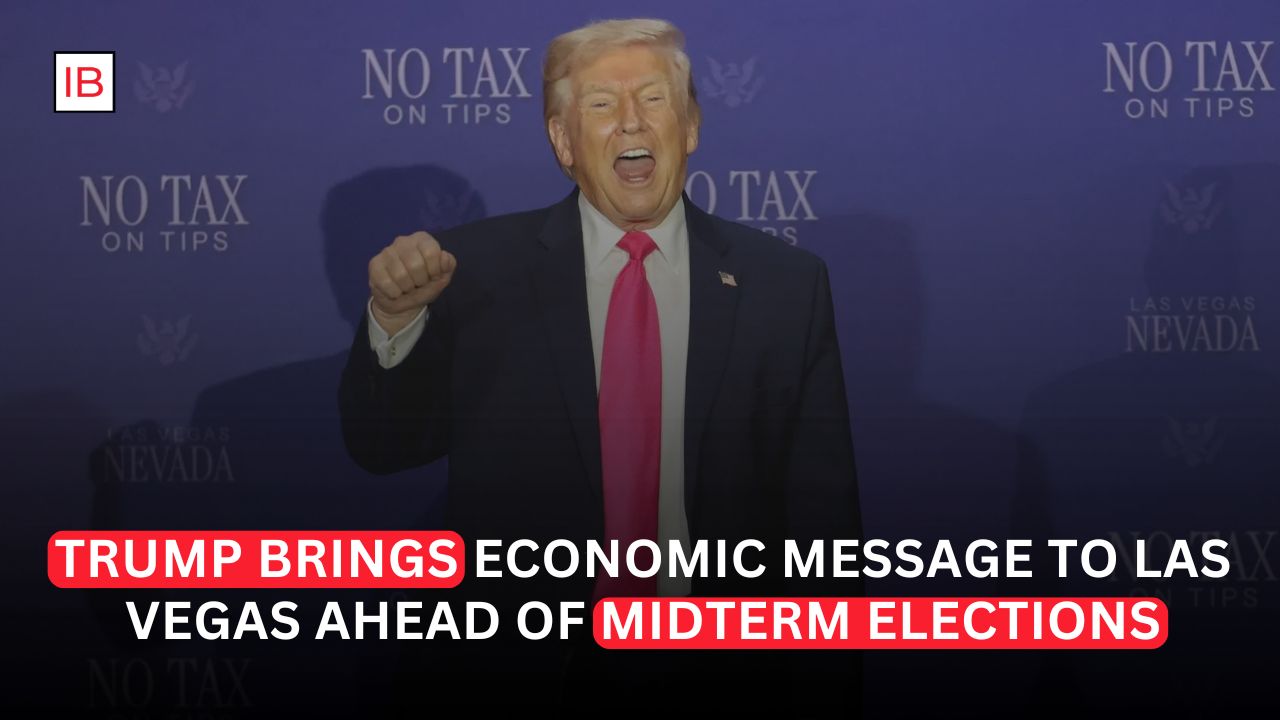
President Donald Trump took his economic agenda to Las Vegas, using a high-profile appearance to promote his administration’s record on economic growth, job creation, tax policy, and business investment as political campaigns for the upcoming U.S. midterm elections continue gaining momentum. The visit formed part of a broader effort to strengthen support in key battleground states where economic performance is expected to become one of the defining issues shaping voter decisions.
Speaking before business leaders, workers, and supporters, Trump emphasized policies aimed at expanding manufacturing, encouraging domestic investment, lowering taxes, and supporting American industries. The administration argued that recent economic indicators demonstrate continued resilience despite global uncertainty, while opposition candidates have increasingly focused their campaigns on issues such as inflation, healthcare, housing affordability, and the federal budget. As campaigning accelerates nationwide, both major political parties are making the economy the centerpiece of their election strategies.
Economy Becomes Central Campaign Issue
Economic performance continues dominating political debate ahead of the midterm elections.
Key issues receiving national attention include:
- Job creation.
- Inflation.
- Tax policy.
- Manufacturing.
- Energy prices.
- Business investment.
Both Republicans and Democrats argue that their economic policies offer the strongest path toward sustained growth and higher living standards.
Polling consistently suggests that voters rank economic conditions among their highest priorities heading into the election season.
Las Vegas Remains Politically Important
Nevada has become one of America’s most competitive political battlegrounds.
The state holds strategic importance because of:
- Competitive statewide elections.
- Growing population.
- Tourism industry.
- Expanding technology sector.
- Diverse workforce.
Las Vegas, in particular, represents an important campaign destination because of its concentration of service workers, hospitality employees, small businesses, and rapidly growing technology investment.
Both political parties continue investing significant campaign resources across Nevada.
Trump Highlights Business Investment
During his appearance, Trump emphasized policies designed to encourage economic expansion.
Key themes included:
- Lower taxes.
- Domestic manufacturing.
- Private investment.
- Infrastructure development.
- Business growth.
The administration argued that maintaining competitive tax policies encourages companies to expand operations, create employment opportunities, and strengthen long-term economic performance.
Officials also highlighted recent private-sector investment announcements as evidence of continued business confidence.
Manufacturing and Energy Remain Priorities
The President continued emphasizing industrial policy throughout the speech.
Key priorities included:
- Manufacturing expansion.
- Energy production.
- Industrial competitiveness.
- Supply chain security.
Administration officials argue that increasing domestic production reduces dependence on foreign suppliers while supporting higher-paying American jobs.
Energy policy also remains central to the broader economic agenda because fuel prices continue influencing household expenses and business operating costs.
Midterm Campaigns Intensify Nationwide
Political activity continues accelerating across the country.
Candidates increasingly focus on:
- Economic growth.
- Cost of living.
- Public spending.
- Immigration.
- Healthcare.
Control of Congress remains one of the most significant objectives for both major parties, increasing the importance of competitive races in battleground states such as Nevada.
Campaign messaging is expected to become increasingly focused on economic performance as Election Day approaches.
Inflation Continues Influencing Voters
Although economic growth has remained relatively resilient, inflation continues affecting household budgets.
Consumers remain concerned about:
- Food prices.
- Housing costs.
- Healthcare expenses.
- Borrowing costs.
These issues have become central topics in campaign debates as candidates present competing proposals aimed at improving affordability while maintaining economic stability.
Markets Watch Political Developments
Financial markets continue monitoring election developments because future policy decisions could influence:
- Taxation.
- Government spending.
- Regulation.
- Trade.
- Infrastructure investment.
Although markets typically respond more strongly to economic data than political speeches, investors remain attentive to proposals that could significantly affect business conditions after the elections.
Looking Ahead
President Trump’s visit to Las Vegas underscores the growing importance of economic messaging as the United States moves closer to the midterm elections. By emphasizing job creation, tax policy, business investment, and domestic manufacturing, the administration hopes to strengthen support among voters concerned about economic performance and future growth. Meanwhile, opposition candidates continue highlighting inflation, affordability, and broader fiscal issues, ensuring that economic policy remains the dominant theme throughout the campaign season.
With competitive congressional races unfolding across several battleground states, the coming months are expected to feature increasingly intense debate over the direction of the U.S. economy. As voters evaluate competing visions for growth, investment, taxation, and public spending, economic conditions will likely remain one of the decisive factors shaping the outcome of the midterm elections.