Government Seeks to Expand Funding Sources as Demand for Renminbi Debt Continues Growing
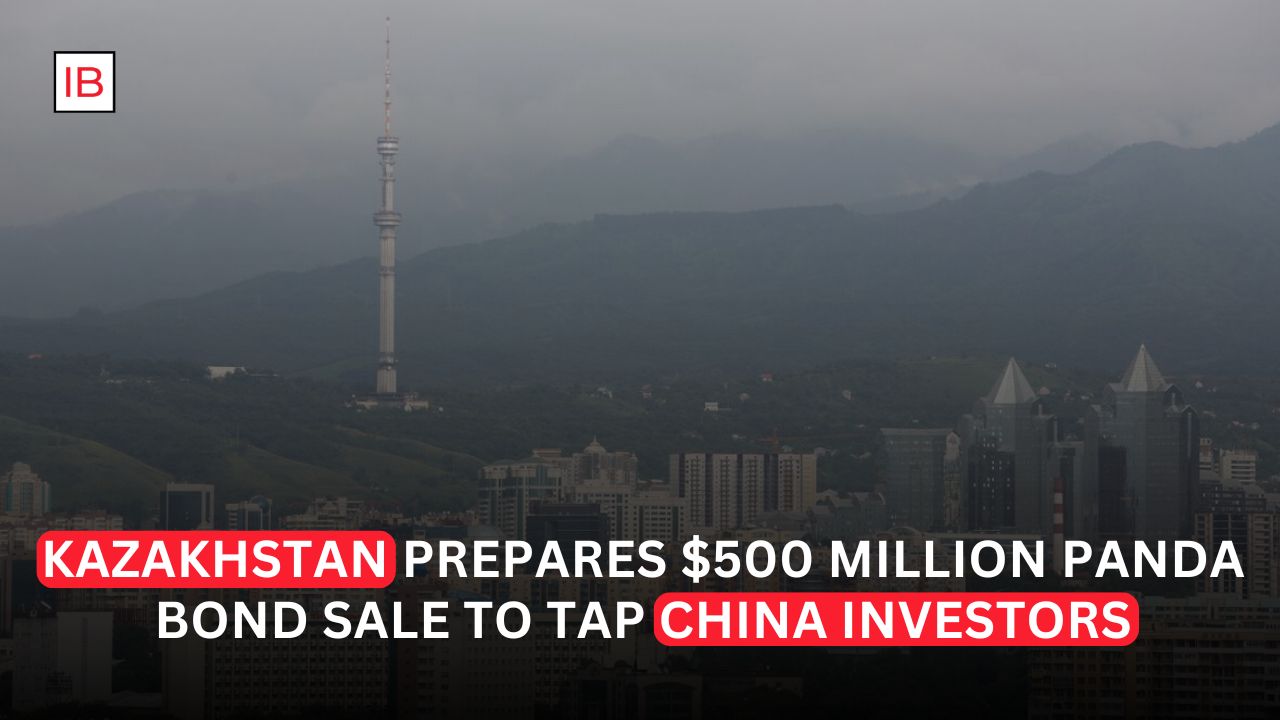
Kazakhstan is preparing to return to China’s domestic panda bond market with a planned $500 million Panda bond issuance, continuing its strategy of diversifying government financing while strengthening financial cooperation with Beijing. The proposed transaction would mark another important step in Kazakhstan’s effort to access one of the world’s largest fixed-income markets, allowing the government to raise capital directly in Chinese renminbi while broadening its international investor base.
The planned issuance follows Kazakhstan’s successful debut in the Panda bond market earlier this year, when strong demand from Chinese institutional investors demonstrated growing confidence in the country’s economic outlook and fiscal management. Officials believe another offering will further deepen financial ties with China while reducing reliance on traditional U.S. dollar and euro-denominated borrowing.
Building on a Successful Debut
Kazakhstan entered China’s domestic bond market for the first time earlier in 2026.
The inaugural transaction:
- Raised approximately $500 million.
- Attracted strong institutional demand.
- Achieved oversubscription.
- Secured highly competitive pricing.
The success encouraged policymakers to consider returning to the market as part of their long-term sovereign financing strategy. Kazakhstan’s debut Panda bond raised CNY 3.4 billion (around USD 500 million) with an order book that was about twice oversubscribed, highlighting robust investor interest.
What Are Panda Bonds?
Panda bonds are renminbi-denominated bonds issued by foreign governments or companies within China’s domestic bond market.
They offer several advantages:
- Access to Chinese investors.
- Diversified funding sources.
- Reduced dependence on Western capital markets.
- Greater exposure to Asia’s financial system.
As China’s bond market continues expanding, Panda bonds have become an increasingly attractive financing option for sovereign borrowers seeking broader investor participation.
Diversifying Government Financing
Kazakhstan has consistently pursued a strategy of maintaining a balanced sovereign debt portfolio.
The government aims to diversify across:
- Currencies.
- Investor groups.
- Geographic markets.
- Financing instruments.
Expanding participation in China’s domestic bond market supports these objectives while strengthening financial resilience during periods of global market volatility.
Officials continue emphasizing prudent debt management, with Kazakhstan’s public debt remaining relatively modest compared with many developed and emerging economies.
Strengthening Financial Cooperation With China
The proposed issuance also reflects the growing economic relationship between Kazakhstan and China.
Financial cooperation continues expanding through:
- Capital markets.
- Infrastructure investment.
- Cross-border finance.
- Trade settlement.
Greater use of renminbi financing aligns with broader regional efforts to deepen financial integration across Asia while supporting long-term investment partnerships.
Chinese Investor Demand Remains Strong
Chinese institutional investors have shown increasing interest in high-quality foreign sovereign debt.
Kazakhstan benefits from:
- Investment-grade credit quality.
- Stable fiscal policy.
- Strong commodity exports.
- Strategic regional position.
These factors have helped generate strong demand during previous bond offerings while supporting competitive borrowing costs.
Capital Markets Continue Developing
Kazakhstan has worked to strengthen its financial infrastructure through institutions such as the Astana International Financial Centre (AIFC) and the Astana International Exchange (AIX).
These initiatives aim to:
- Attract international investors.
- Improve capital market access.
- Expand financial services.
- Increase regional connectivity.
The continued use of Panda bonds complements these broader capital market development efforts.
Regional Trend Gains Momentum
Kazakhstan is among several emerging economies seeking alternative financing channels beyond traditional Western markets.
Growing participation in China’s bond market reflects:
- Expanding Asian capital pools.
- Investor diversification.
- Regional financial integration.
As China’s domestic capital market becomes more accessible to international issuers, Panda bonds are expected to play an increasingly important role in sovereign borrowing strategies.
Looking Ahead
Kazakhstan’s planned return to the Panda bond market demonstrates the government’s commitment to maintaining diversified financing sources while strengthening financial ties with Asia’s largest economy. Building on the success of its inaugural issuance, the proposed $500 million transaction would further broaden the country’s investor base, enhance renminbi funding opportunities, and reinforce confidence in Kazakhstan’s long-term fiscal management. Strong demand during previous offerings suggests Chinese institutional investors continue viewing Kazakhstan as an attractive sovereign borrower with stable economic fundamentals.
Looking forward, continued access to China’s domestic bond market may provide Kazakhstan with greater flexibility in managing public debt while supporting long-term economic development. As global financial markets become increasingly diversified, Panda bonds are likely to remain an important component of the country’s broader sovereign financing strategy.